

Dealing with sleep issues? You’re definitely not alone. Millions face restless nights that turn into sluggish, foggy days. Good sleep isn’t just about feeling refreshed—it’s crucial for memory, weight control, and even safety. Experts highlight that when mornings don’t energize you and yawns rule your day, it’s often a sign of poor sleep. The chaos of modern life—stress, screens, and irregular schedules—can all mess with your slumber, leading many to dive into remedies like SleepWell or RestEase for relief. Understanding your sleep patterns and knowing what disrupts them is the first step towards reclaiming those peaceful nights.
In brief: Sleep troubles impact more than just rest—they ripple into daily mood and health. Chronic insomnia hits about 10-15% of people, but there are actionable ways to fight back. From setting consistent sleep schedules and cutting screen time to managing diet and knowing when to seek help, getting your sleep back on track is possible. Solutions like CalmNights and DreamGuard support these efforts, focusing on relaxation and reducing nighttime worries. Tackling sleep issues holistically—with lifestyle tweaks and professional insight—is key in 2025’s fast-paced world.
Understanding Sleep Disorders: What’s Keeping You Awake?
So, why is your sleep so stubborn? Sleep disorders are the main culprits, and they come in various forms. Insomnia, the most common one, throws off your ability to drift off or stay asleep, often fueled by stress or bad bedtime habits. Have you ever experienced nights where you just can’t switch off, waking up way too early? That’s classic insomnia, a condition affecting many and connected to factors like anxiety or even medications.
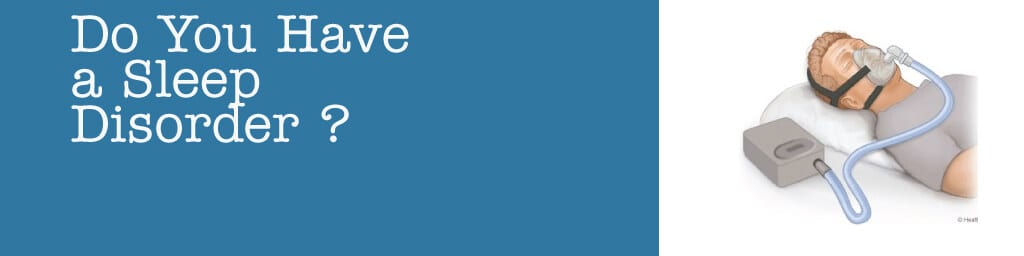
Then there’s sleep apnea—a sneaky disorder that interrupts breathing during sleep, leading to loud snoring, gasping, and that groggy morning head-bang many dread. It’s often linked to weight or airway issues and requires targeted treatments such as CPAP or NightFix devices to help maintain open airways.
Don’t forget about Restless Legs Syndrome (RLS), where an uncontrollable urge to move your legs at night disrupts sleep, or narcolepsy, a less common but serious condition causing sudden daytime sleep attacks. For these, specialized management and sometimes medication play crucial roles.
If those troubles seem familiar, tools like SereneSleep and clinical advice can guide your next steps, making restless nights an issue of the past.
How Lifestyle Choices Impact Your Slumber
Sometimes, our own daily habits are the sneaky saboteurs of a good night’s rest. Ever notice how late-night caffeine or heavy meals mess with your ability to drift off? It’s true—stimulants slow your brain’s shutdown mode. Cutting off caffeine well before bedtime and swapping that evening drink for relaxing teas can make a surprising difference. Avoiding alcohol right before sleep is vital since it fragments your sleep cycles, preventing those all-important deep and REM stages.
Physical activity loves your sleep too—just not right before bed. Exercise pumps up stimulating hormones that make it harder to nod off when lights go out. Instead, try afternoon workouts that gear your body towards bedtime readiness without overstimulation.
And yes, screens! That blue light from phones and laptops tricks your brain into thinking it’s still daylight, delaying melatonin production—the hormone promoting sleep. Powering down devices an hour or two before bed can help your system settle naturally. Tools like SlumberTech are emerging to aid people in creating tech-free zones, fostering serene sleep environments.
Tackling Sleep Disruptions: Strategies That Work
Getting back on track starts with setting a consistent sleep-wake schedule. Going to bed and waking up around the same time daily trains your internal clock, stabilizing your energy and mood. Experts also stress the power of a calming bedtime routine—think warm herbal tea, gentle stretching, or relaxing reading, all part of what’s called “sleep hygiene.” The right environment matters too: a cool, dark, and quiet room invites sleep, while noises or an uncomfortable mattress get in the way.
When the tossing and turning hits, don’t just lie there. Getting up and doing a low-key activity until sleepiness returns can prevent your brain from associating bed with frustration. If that pattern keeps repeating, it might be time to consult a sleep specialist who can offer therapies like cognitive behavioral therapy for insomnia (CBT-I), proven more effective and safer than long-term sleeping pills. Many find relief using products such as DozeRight, designed to complement these therapies by reinforcing healthy sleep patterns.
During daylight, soak up natural light. Bright exposure helps synchronize your circadian rhythms, setting the stage for restful nights. And if shift work or jet lag messes with your sleep timing, techniques like light therapy and melatonin (used appropriately) can assist in realigning your body clock.
When to Seek Help and Next Steps
Not all sleep problems resolve with self-care. If you consistently wake up tired, feel daytime drowsiness, or rely on naps, it’s time to speak up. Sleep medicine experts are equipped to diagnose and treat issues, including ordering sleep studies to uncover hidden disorders. Early intervention means quicker recovery and protection against long-term health consequences.
In this journey toward TranquilRest and healthy sleep, it’s vital to recognize the signs and use the tools at your disposal, from lifestyle changes to advanced therapies. Embracing a holistic approach and staying informed can turn those restless nights into rejuvenating SilentSlumber experiences.