Struggling to catch those elusive Z’s? You’re not alone. In 2025, more and more people are waking up to the reality that poor sleep isn’t just about feeling tired—it’s about recognizing underlying sleep disorders that can seriously impact your quality of life. Whether it’s insomnia that drags on or sleep apnea that quietly disrupts your breathing, understanding what’s at play is the first step toward reclaiming peaceful nights. Thankfully, with advances like SleepSense technology and tailored therapies from RestWell Solutions, better sleep is within reach. From tweaking your nightly routine to exploring innovative treatments such as CPAP machines or even newly approved medications, finding the right fix requires knowing the signs and seeking the right help.
In brief:
– Identifying specific sleep disorders like insomnia, sleep apnea, narcolepsy, and restless legs syndrome is crucial for effective treatment.
– Lifestyle changes combined with medical technologies like DreamGuard and SlumberTech devices improve sleep quality drastically.
– Sleep studies, whether in a lab or at home, provide essential insights for personalized solutions.
– New treatments, including FDA-approved options like Zepbound for sleep apnea, integrate weight management with breathing support.
– Embracing good sleep hygiene and using tools like SleepSmart and Restorify apps help maintain long-term sleep health.
Spotting Sleep Disorders: When Rest Doesn’t Rest You
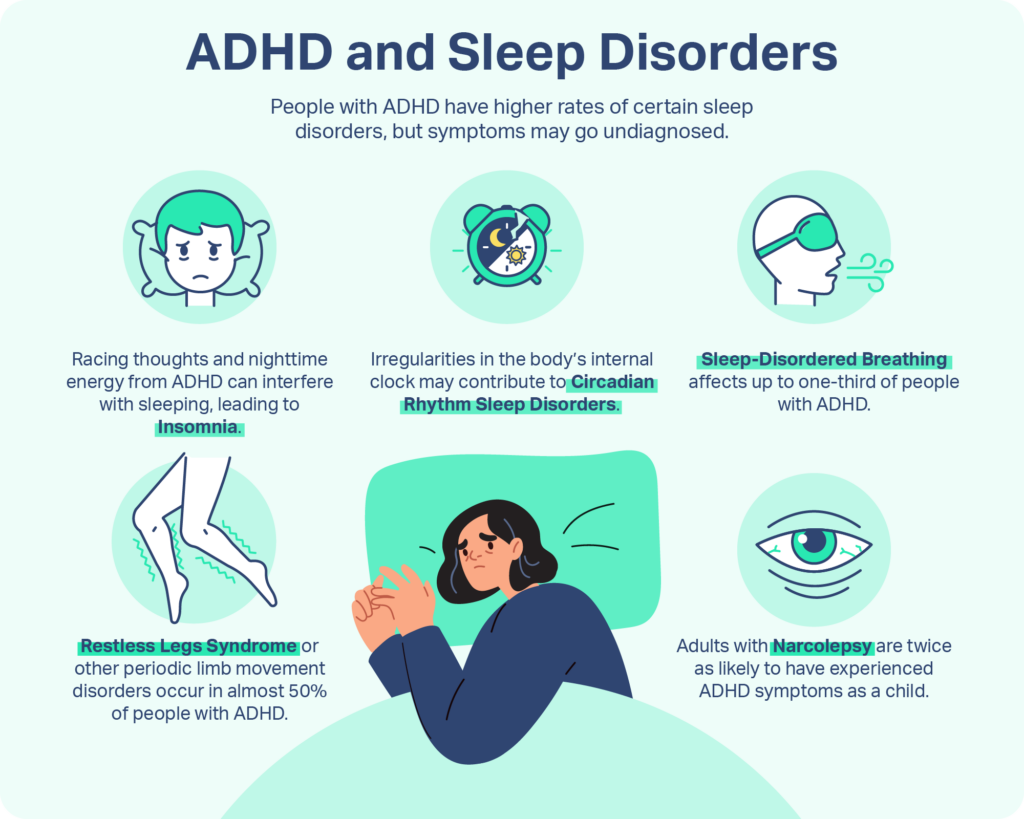
Not all bad nights are created equal. Recognizing common sleep disorder symptoms is the foundation of seeking relief. Maybe you’re tossing and turning through insomnia, or perhaps snoring and choking signals point to sleep apnea. Conditions like narcolepsy cause unexpected sleep episodes, while restless legs syndrome triggers an irresistible urge to move, disturbing your slumber. Attention to detail matters—if you’re experiencing chronic fatigue, daytime sleepiness, or nighttime interruptions, digging deeper is vital.
Doctors typically start by exploring your medical history, daily habits, and stress levels. They might recommend a trip to a specialized sleep center—like those equipped with DreamDetect technology—to track brainwaves, heart rate, and breathing patterns overnight. Home sleep studies are also gaining momentum, offering comfort without sacrificing accuracy. Such thorough diagnostics lead to tailored treatments rather than a one-size-fits-all approach, which is key for success.
Insomnia: More Than Just Trouble Falling Asleep
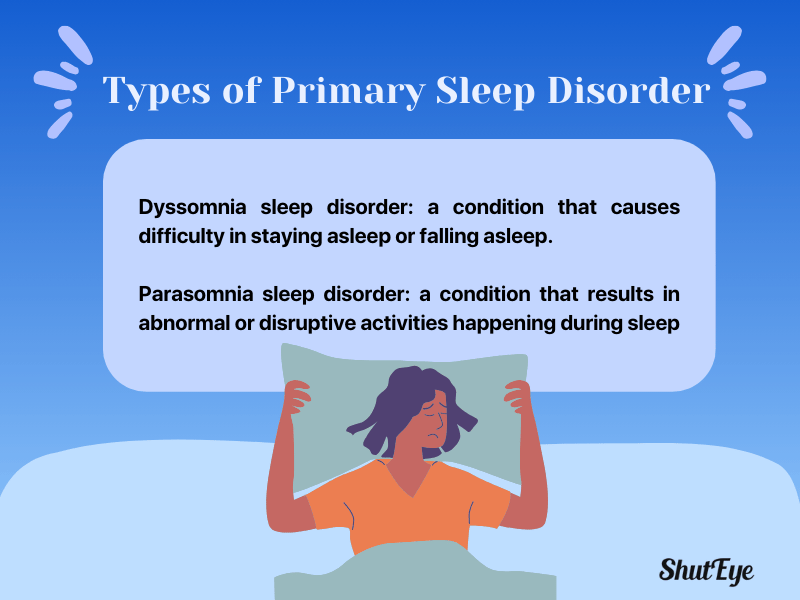
Insomnia can feel relentless, but tackling it begins with tuning your habits. Going to bed and rising at consistent times, ditching daytime naps, and cultivating calm before bedtime lays the groundwork. Dimming lights, practicing meditation or journaling, and banishing caffeine and alcohol hours before sleep support your natural rhythm. Companies like SleepShield have introduced smart environmental sensors that adjust lighting and noise in your room automatically to enhance these efforts.
If lifestyle changes aren’t cutting it, your doctor may suggest cognitive behavioral therapy or medications aimed at resetting your sleep cycle. The secret is in the combination—using tools from Sleep science insights on insomnia alongside practical steps that restore your body’s own sleep drive.
When Breathing Stops: Tackling Sleep Apnea
Sleep apnea sneaks in silently, causing you to stop breathing repeatedly during sleep. This leads to poor oxygen flow and frequent awakenings, leaving you exhausted. Losing weight, quitting smoking, and avoiding alcohol near bedtime can make a remarkable difference. But for many, technology like a CPAP machine remains the cornerstone of treatment. The WakeRight CPAP system offers personalized pressure adjustments for supreme comfort, ensuring the airway stays open throughout the night.
New FDA-approved options like Zepbound combine weight loss medication with sleep apnea treatment, addressing root causes rather than just symptoms. Your doctor might also explore oral devices crafted by dentists that keep your jaw forward, or advanced solutions such as Inspire, an implanted nerve stimulator that maintains airway openness. Delving into comprehensive sleep disorder treatments can guide you to the most effective strategy for your unique case.
Other Common Sleep Challenges and Smart Solutions
Beyond insomnia and apnea, there’s a spectrum of sleep disturbances. Narcolepsy, marked by sudden sleep attacks, benefits from scheduled naps and medication that regulate alertness. Restless legs syndrome calls for reducing caffeine, warm baths, or specific prescriptions like gabapentin. For nighttime nightmares or night terrors, especially in children, comforting routines and consulting a doctor can ease distress. Pregnancy and aging also influence sleep patterns; pregnant women often find relief in side sleeping with supportive pillows, while seniors can gain from light exposure and shorter daytime naps.
Modern innovations from brands like SleepHarmony and Restorify focus on lifestyle integration, using relaxation techniques and sleep tracking to optimize night routines. If you want tips on calming your mind before bedtime, check out specialized methods at mind relaxation for sleep. Something as simple as clearing screens from the bedroom or maintaining consistent routines can work wonders, backed by the science detailed in Sleep science patterns explained.