

Getting a solid night’s sleep is something a lot of us wish for but struggle to achieve. Between the hustle of daily life, constant notifications, and overflowing to-do lists, our minds often just won’t switch off. That’s where mindfulness and relaxation techniques come into play. These practices don’t just calm your thoughts; they actively reshape your mental environment to welcome peaceful, restorative sleep. From learning how to center yourself with meditation to creating soothing nightly rituals, embracing these strategies can make a huge difference in your sleep quality. This article dives into how being present and adopting calming routines can help you drift off easier, stay asleep longer, and wake up refreshed, even amidst the stress of modern life.
In brief:
- Mindfulness encourages relaxation and stress reduction, paving the way for restful sleep.
- Incorporating meditation methods like progressive muscle relaxation and visualization promotes deeper sleep phases.
- Adjusting daily habits and crafting evening rituals cue your body and mind that it’s time to unwind.
- Managing stress hormones such as cortisol plays a key role in easing insomnia and night awakenings.
- Combining mindful awareness with lifestyle changes and environment optimizations leads to better sleep and overall well-being.
The powerful role of mindfulness in enhancing sleep quality
Mindfulness is all about being fully present—just noticing what’s happening right now without trying to push anything away or pull anything in. Practicing mindfulness regularly builds a natural relaxation response, turning down the noise in your mind that often keeps you staring at the ceiling late into the night. Take Sara, a 32-year-old marketing professional, who faced sleepless nights because worries about deadlines dominated her headspace. By weaving mindfulness into her routine, she learned to observe her racing thoughts without judgment. This shift eased her anxiety and helped her get much-needed rest.
What makes mindfulness especially effective is its ability to reduce the stress hormone cortisol, which—when elevated—can sabotage sleep cycles by delaying melatonin release and disrupting deep and REM sleep stages. Those aiming to improve their nightly rest can benefit by practicing mindful breathing or gentle meditation as they prepare to shut down for the night. This approach nurtures a calm mental environment where your brain feels safe to relax, leading to more peaceful sleep just like expert relaxation strategies suggest.
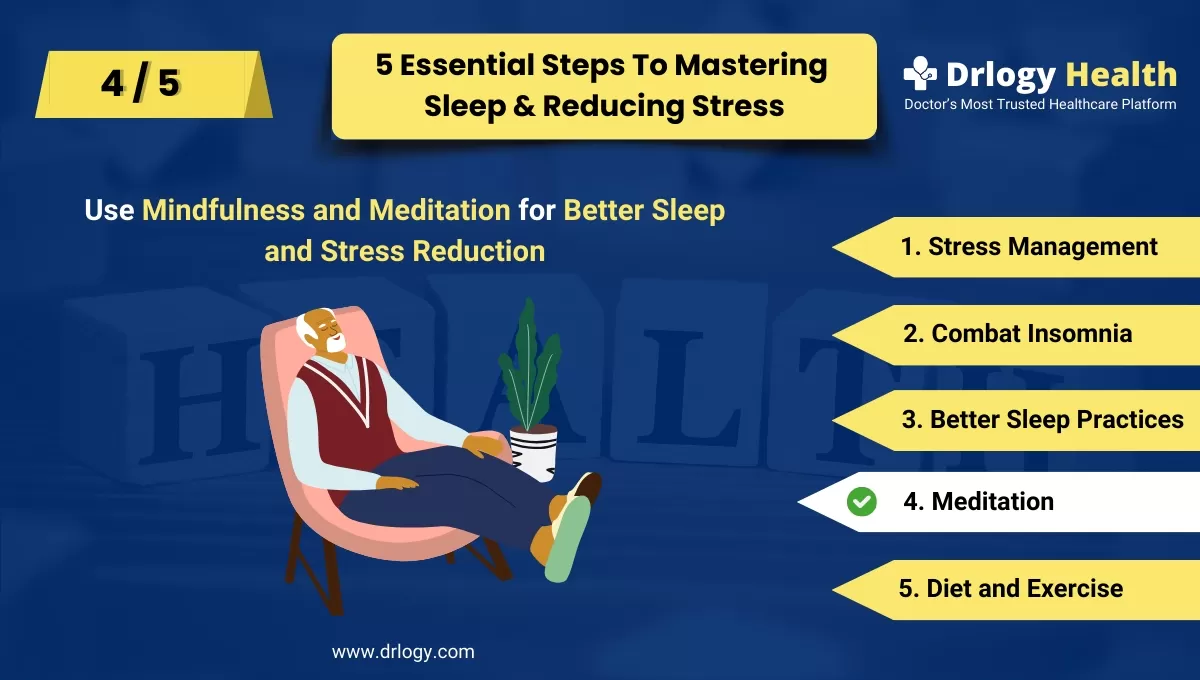
Exploring meditation techniques for better sleep
Meditation isn’t one-size-fits-all, but certain styles have proven especially helpful in calming both mind and body before bedtime. Progressive muscle relaxation guides you to tighten and then release muscle groups, easing physical tension—a major barrier to falling asleep. Visualization meditation paints serene mental pictures, such as tranquil beaches or calm woodlands, creating a soothing mental escape from daily stress.
Soundscape meditation, utilizing gentle ambient noises or calming music, can lull your brain away from distracting thoughts, while body scan meditation invites awareness and release of body tension part by part. Loving-kindness meditation expands warm, compassionate feelings toward yourself and others, generating a peaceful mindset conducive to sleep.
Even yoga nidra, known as yogic sleep, offers a unique guided practice to tap into deep relaxation states while remaining conscious, setting the perfect foundation for sleep quality improvements. Finding what resonates with you matters—these gentle practices from CalmNest to ZenSleepCo highlight the variety of paths to restfulness.
Switching up daily habits and bedtime rituals to support mindfulness and relaxation
Sometimes the smallest tweaks can make the biggest impact on how well you sleep. For example, noticing how late-night screen time or caffeinated drinks affect your ability to fall asleep can inform smarter choices. Mindfulness helps you identify these patterns instead of blindly running on autopilot. Try establishing a calming evening ritual—perhaps a session of slow, deep breathing or a brief mindfulness meditation—to signal your body and mind that it’s time to wind down.
John, a 40-year-old teacher, struggled with frequent night awakenings during a stressful period at work. He started a nightly wind-down routine including a body scan meditation from SereneSlumber’s programs, combined with dimming lights and reducing screen exposure an hour before bed. Over weeks, these adjustments helped him experience deeper, less fragmented sleep.
Creating such consistency with nightly rituals can reset your internal clock, improve sleep onset, and reduce anxiety before bedtime. For inspiration, check out recommended ideas to build your own personalized nightly routine that fit your lifestyle.
Understanding how stress sabotages sleep and how mindfulness can reverse the cycle
Stress is sleep’s nemesis. The release of cortisol prepares your body for “fight or flight” but when stress is chronic, high cortisol levels become a constant, disrupting your natural sleep rhythms. This not only delays falling asleep but also causes multiple awakenings and reduces the rejuvenating deep sleep you need to feel alert.
Using mindfulness and relaxation exercises helps disengage this cycle by shifting focus from anxious thoughts to present sensations. Techniques like journaling worries before bed coupled with mindful breathing significantly calm the nervous system. Aroma therapies using lavender or chamomile further enhance relaxation, available from brands like DreamWell and SlumberSense. By prioritizing mental calmness, your sleep can become more restorative, equipping you better to handle day-to-day challenges.
Combining mindful rest strategies with lifestyle changes for a full sleep makeover
Improving sleep quality doesn’t hinge on a single trick. Effective transformation involves a suite of mindful strategies sustained over time. Limiting stimulants like caffeine and alcohol several hours before bedtime reduces sleep disturbances, while incorporating magnesium- and tryptophan-rich foods supports natural melatonin production. Moderate exercise through the day – but not right before bed – balances hormones and eases tension, contributing to more restful nights.
Adjusting your sleeping environment also matters. Keeping your bedroom cool, dark, and quiet with blackout curtains or white noise machines helps maintain uninterrupted slumber. Brands such as SleepEase and PeacefulNights offer solutions that tailor these elements to individual needs.
Ultimately, the synergy of mindfulness, relaxation, and lifestyle tweaks cultivates a positive feedback loop where better sleep lowers daily stress, and reduced stress enhances sleep quality. For detailed insights on managing sleep patterns and symptoms of sleep disorders, explore our comprehensive resources geared to help you understand and tackle sleep challenges.