
In our nonstop world where to-do lists and late-night streaming often steal the spotlight from sleep, recent breakthroughs in sleep science are reshaping how we recharge. Imagine waking up every morning feeling as refreshed as a kid after a nap—no grogginess, no brain fog, just pure, restored energy. That’s becoming possible thanks to cutting-edge research revealing how our brain and body recover during deep sleep stages. Experts from labs like DreamLabs and RestWell are uncovering the mysteries behind sleep cycles, while tech innovators like SomniTech and NightNova develop tools that help us track and enhance this precious downtime.
Over the past years, science has moved beyond the basics. We now better understand how circadian rhythms and brain neurobiology fine-tune our sleep patterns, how light exposure affects melatonin production, and how deep sleep contributes to memory consolidation and immune health. Practical solutions like personalized sleep coaching from SleepXcel or cognitive behavioral therapy are making insomnia more manageable, while wearable devices by ZenSlumber and SlumberSense give real-time insights into your nightly rest. If you want to get serious about reclaiming your nights, these discoveries and technologies are your new allies.
En bref :
– Sleep science advancements unveil how deep sleep renews both mind and body.
– Circadian rhythms and melatonin interplay crucially affect sleep quality.
– Cognitive Behavioral Therapy (CBT) offers effective insomnia relief beyond meds.
– Wearables from brands like CalmPulse provide detailed sleep tracking.
– Optimal sleep hygiene and environment sharply boost restorative deep sleep.
– Nutrition and natural supplements support better sleep architecture.
– Future trends include AI-driven personalization and gut-brain sleep research.
– Recognizing and treating sleep disorders remains an essential part of improving rest.
Why Deep Sleep Unlocks Your Brain and Body’s Full Power
Deep sleep is more than just a restful phase; it’s when your brain initiates essential cleanup and repair. During slow-wave sleep, your neural pathways strengthen memories, your body releases growth hormones to heal muscles, and the glymphatic system flushes out waste linked to neurodegenerative disease. Research from sources like Science magazine shows that poor deep sleep is connected to risks like Alzheimer’s due to ineffective brain detoxification. Yet, stress, caffeine, screen time, and aging often chip away at this critical stage of sleep, leaving many waking up tired despite clocking enough hours. Recognizing how foundational deep sleep is can change your perspective on why quality rest matters and how it impacts mood, cognition, and even immunity.
How Circadian Rhythms and Light Shape Your Deep Sleep
Understanding your circadian rhythm is key to unlocking deeper rest. These internal clocks respond primarily to light cues, regulating when melatonin—our “sleep hormone”—kicks in. Exposure to blue light from devices delays melatonin onset, disrupting your sleep timing and reducing deep sleep duration. Companies like RestoraSleep innovate by creating bedroom environments that minimize blue light interference through smart lighting systems.
Adapting a consistent sleep-wake schedule strengthens this rhythm, leading to more efficient deep sleep phases. Research summarized in Sleep Science Patterns highlights that irregular sleep schedules reduce deep sleep quality significantly. Apps and wearables from SlumberSense or CalmPulse help users keep track of timing and adjust habits, fostering healthier routines. Aligning your bedtime with natural melatonin cycles shifts sleep architecture to favor restorative slow-wave stages, making mornings less of a drag and nights more refreshing.
Smart Tech and Therapies Revolutionizing Sleep Improvement
Thanks to rapid tech advances, getting feedback on your sleep has never been easier. Devices like the RestWell smart ring or the NightNova sleep tracker accurately monitor heart rate variability, movement, and even brainwave activity to analyze sleep phases. With data-driven insights, users receive personalized tips to optimize their environment and habits. For example, cooling technologies such as those developed by DreamLabs improve deep sleep by adjusting bedroom temperature—research shows a 34% increase in deep sleep with optimal cool settings.
On the therapy front, Cognitive Behavioral Therapy (CBT) remains a standout for tackling the root of insomnia. Unlike medications that may cause dependency or side effects, CBT reshapes thought patterns and behavior surrounding sleep. This approach is well supported by the National Sleep Foundation, and detailed guidance is available at Sleep Disorders Solutions. For combining the power of therapy and technology, platforms like SleepXcel guide users through CBT techniques alongside sleep tracking, creating holistic improvements.
Nutrition, Supplements, and Their Role in Deep Sleep Quality
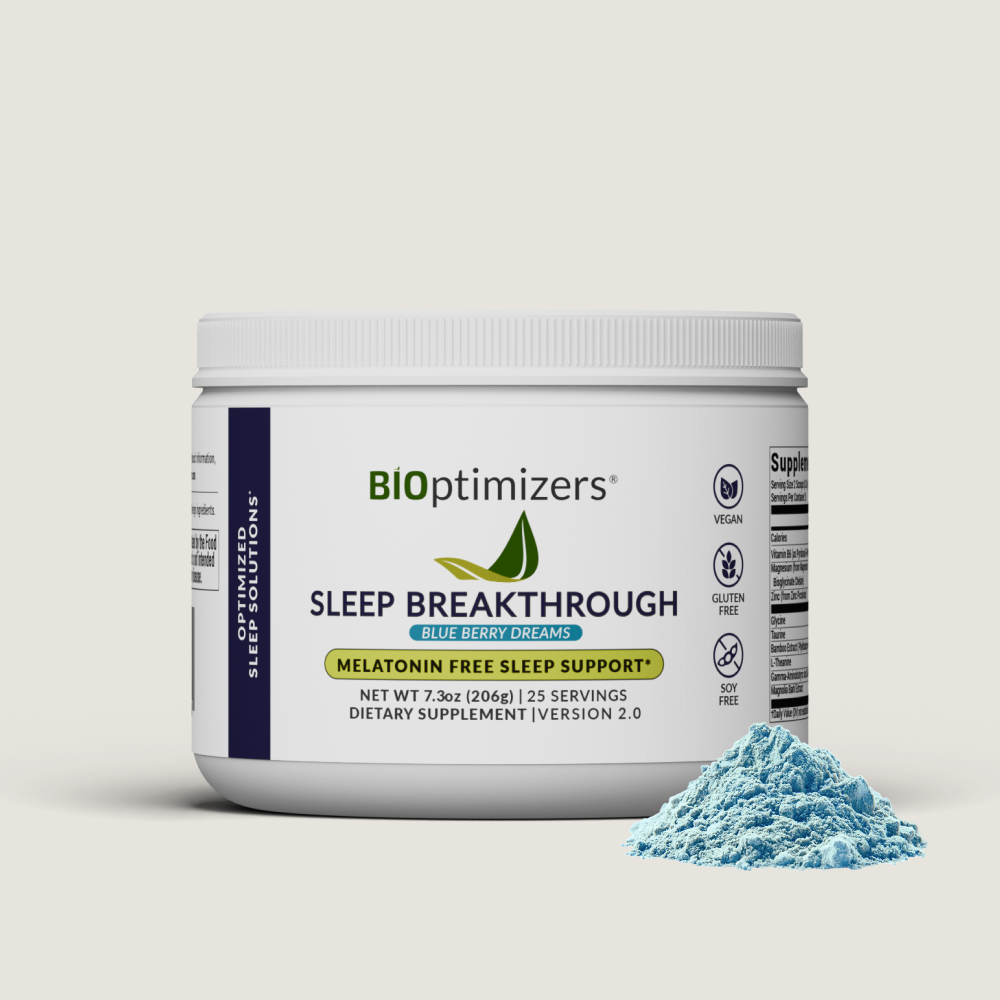
What you eat directly influences how well you sleep. Nutrients such as tryptophan, magnesium, and glycine contribute to promoting slow-wave sleep. For instance, a small nighttime snack of pumpkin seeds paired with tart cherry juice is backed by science to enhance sleep quality. Natural supplements, when used carefully, can support relaxation and sleep cycle regulation. Magnesium helps calm the nervous system, while glycine lowers core body temperature, facilitating the transition to deep sleep.
However, it’s crucial to test supplements one at a time and consult healthcare providers if you have medical conditions or take medications. Guidance on establishing wholesome routines combining diet, relaxation, and lifestyle shifts can be found in resources like Healthy Habits for Better Rest. Balancing nutrition with good sleep hygiene — like reducing caffeine and alcohol intake — substantially boosts the chances of deep, rejuvenating rest.
What’s Next: The Future of Sleep Science and Personalized Rest
Looking ahead, sleep science is becoming more personalized and tech-driven than ever. Artificial intelligence is now being used to analyze vast sleep datasets, creating therapies tailored to individual sleep architecture and lifestyle habits. The emerging link between gut microbiota and sleep patterns opens new avenues for targeted interventions that could optimize rest naturally.
Community education programs, such as those promoted by ZenSlumber and RestoraSleep, bridge the gap between research and public application, raising awareness about sleep’s impact on health. Integrating mindfulness with technology offers promising pathways to enhance mental health alongside sleep quality. Plus, societal shifts encouraging better work-life balance and prioritizing sleep-friendly environments will further solidify the importance of treating sleep as a pillar of well-being.
For anyone keen to dive deeper into practical sleep solutions, Nightly Routines insights are well detailed in this guide, with tailored tips to boost your overall rest. By embracing these innovations and solid habits, quality sleep becomes a reachable goal, not just a dream.