Struggling with sleep is more common than you think—especially in today’s fast-paced world. From tossing and turning to unexplainable daytime fatigue, millions face challenges that go beyond simple tiredness. Sleep disorders, which interfere with both the quality and quantity of rest, are rising at an alarming rate, affecting people of all ages. They don’t just leave you groggy; they can seriously impact mental health, work performance, and even relationships. Whether it’s insomnia, restless legs, or more serious conditions like sleep apnea, recognizing the signs is the first step toward regaining control of your nights and days. With proper diagnosis and a tailored combination of lifestyle tweaks and treatments, better sleep is well within reach.
In Brief:
• Sleep disorders disrupt both falling asleep and staying asleep, leading to chronic tiredness.
• Conditions like insomnia affect up to half of adults at some point, especially women and older adults.
• Sleep apnea involves interrupted breathing during sleep, which can be dangerous if untreated.
• Underlying health issues like chronic pain, allergies, or mental health problems can cause or worsen sleep troubles.
• A mix of medical treatments and lifestyle shifts—like regular sleep schedules and stress management—offers the best outcomes.
Understanding Common Sleep Disorders That Might Be Impacting Your Rest
If you’ve been wondering why you’re so drained despite clocking in hours in bed, you might be dealing with a sleep disorder. These conditions mess with your ability to get quality sleep consistently, leading to a host of issues like impaired concentration, irritability, and even weight gain. Sleep disorders aren’t just about feeling tired; they can bring physical and emotional challenges that ripple through your life.
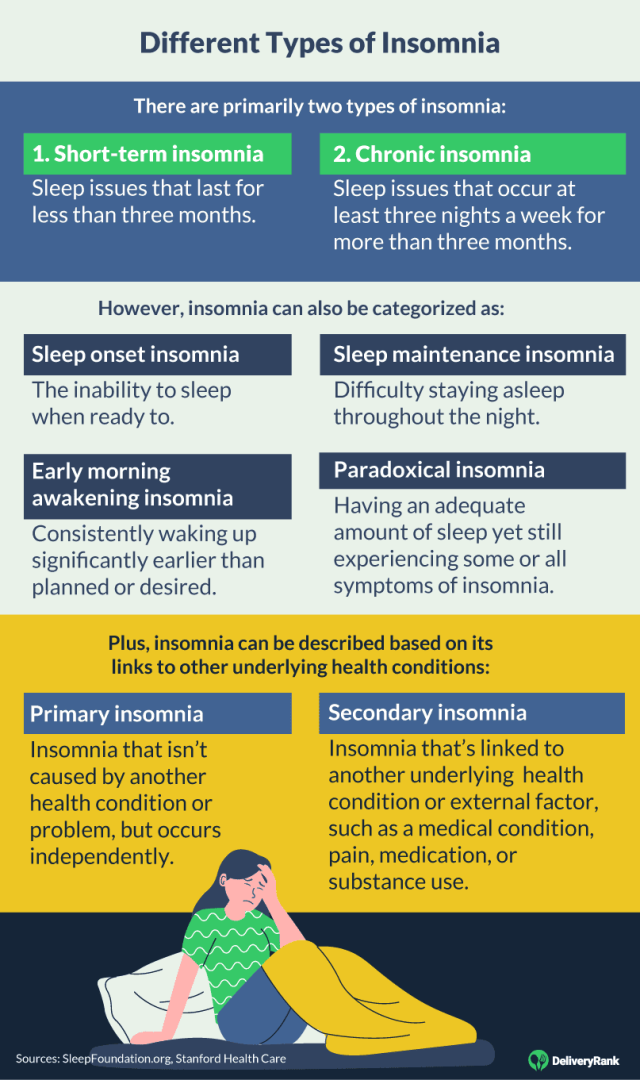
Take insomnia for example—it’s more than the occasional restless night. Chronic insomnia means struggling to fall or stay asleep for three months or longer, and it affects roughly 50% of American adults at some point, with women and older folks being the most vulnerable. On the flip side, sleep apnea involves pauses in breathing, often unnoticed but incredibly disruptive. There are two kinds: obstructive, where the airway gets blocked, and central, where the brain misses signals to breathe. Both types lead to poor oxygen levels and fragmented sleep.
Other conditions like restless leg syndrome and narcolepsy bring their unique struggles—whether it’s an uncontrollable urge to move your legs at night or sudden sleep attacks during the day. All these disorders contribute to daytime fatigue and can seriously affect your safety and productivity.
Why Your Sleep Problems May Be More Than Just Stress
Stress and a hectic lifestyle often take the blame for poor sleep, but persistent sleeping problems are usually rooted deeper. Chronic pain, allergies, frequent nighttime urination, and mental health disorders like anxiety or depression often coexist with sleep difficulties, creating a cycle that’s hard to break. For instance, chronic pain conditions such as arthritis or fibromyalgia can make falling asleep tough, while untreated allergies may obstruct your breathing at night, leading to restless tossing.
Understanding these overlap areas is critical. If you address only the symptoms without tackling the underlying causes, improved sleep will remain elusive. That’s why comprehensive diagnostic tools—like sleep disorder symptom assessments and polysomnography tests—are so valuable. They give healthcare providers a clear picture of what’s disturbing your rest so you can get the right help.
Effective Solutions to Tackle Your Sleep Disorder Head-On
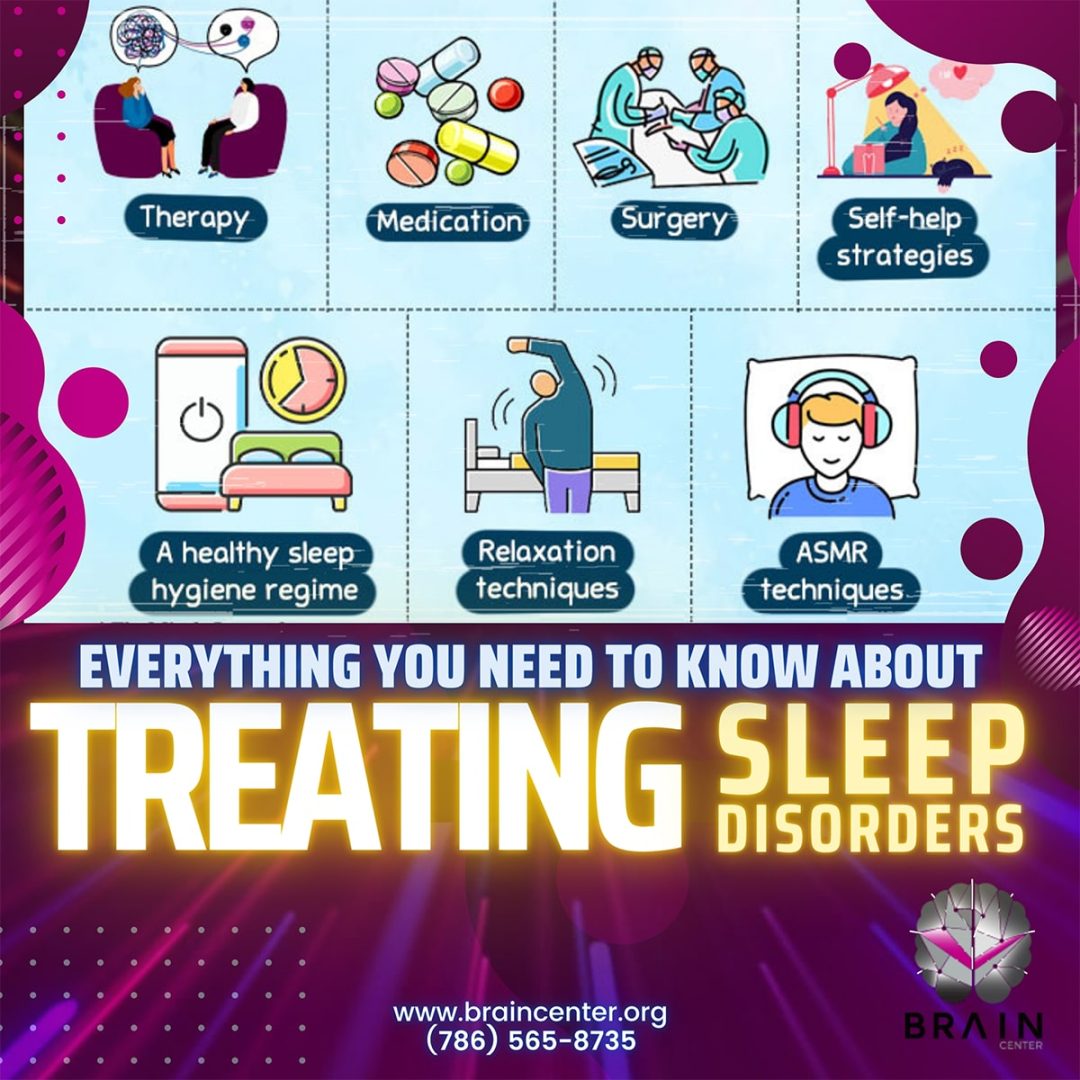
Getting a solid night’s sleep isn’t about luck or magic—it involves a well-planned approach. Medical treatments often include the use of sleeping aids, melatonin supplements, allergy medications, or specialized devices like CPAP machines for sleep apnea. Dental guards also help if you grind your teeth at night. However, medication or devices are only part of the solution.
Lifestyle plays a massive role. Simple but powerful changes like setting a consistent sleep schedule, moderating caffeine and alcohol, reducing sugar intake, and managing stress with exercise or mindfulness can transform your nights. Incorporating foods rich in omega-3s and fiber, while avoiding heavy carbs before bed, supports better rest. Also, tech-based solutions such as SleepWell and NightCalm are modern tools that aid relaxation through guided meditation and soundscapes tailored to improve sleep quality.
Integrating these strategies into your routine increases the effectiveness of treatments and builds sustainable habits. Tools like Sleep Solutions communities offer ongoing support and tips for maintaining progress.
Keep Sleep Disorders in Check With Smart Monitoring and Support
Technology has opened new doors in sleep management. Devices such as DreamGuard and RestEase wearable monitors now gather sleep data in real-time, allowing users to track patterns and identify triggers. These insights can assist both patients and doctors in adjusting treatments efficiently and proactively. Alongside apps like SlumberSense and SleepRight, they empower individuals to become active participants in their sleep health.
Being aware of how your body responds to lifestyle changes and medical interventions enables quicker recovery from sleep disruptions. The key takeaway? Don’t ignore persistent sleep issues. Connecting with professionals early can prevent complications like depression, impaired cognitive function, and serious physical health risks.