
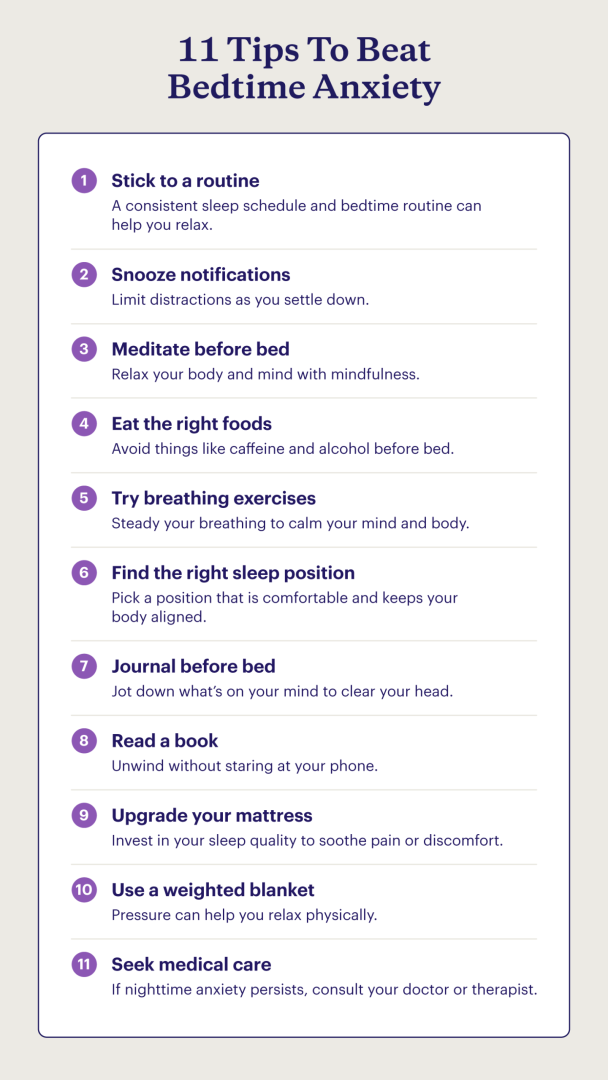
Nighttime anxiety can feel like an uninvited guest that crashes into your peaceful evening, turning tranquility into a whirlwind of restless thoughts. In 2025, with the pace of life ever-accelerating and screens lighting up our nights, many find their minds racing just as they try to settle down. The quiet moments before sleep often let anxieties sneak in, stirring worries that seem bigger in the dark. But there’s good news: simple, effective strategies exist to calm your mind and help you drift off peacefully. By cultivating a mindful routine and exploring relaxation techniques, you can transform your evenings into a sanctuary of PeacefulRest and ZenSlumber.
Whether it’s tweaking your nightly habits or practicing deep-breathing exercises, these approaches help soothe the QuietMind and create the perfect environment for sleep. For those wrestling with persistent stress or feeling overwhelmed, embracing these tips could be the key to unlocking a sense of TranquilEase, turning anxious nights into moments of calm. Dive into smart ways to embrace serenity, reclaim your nights, and enjoy that much-needed SoothingSleep.
In brief:
- Create a consistent nighttime routine to signal your body it’s time to relax and prepare for sleep, inviting NightlyCalm.
- Practice diaphragmatic breathing to ease stress and quiet a racing mind, offering quick relief when anxiety hits.
- Limit exposure to blue light from screens in the evening to support natural melatonin production and improve sleep quality.
- Incorporate gentle exercise or yoga into your day, which promotes both physical and mental relaxation, aiding CalmMind.
- Mindful distraction techniques help take your thoughts off anxiety, steering your brain toward more peaceful patterns.
Establishing a Nightly Routine for Lasting Relaxation and Reduced Anxiety
One of the best ways to ease nighttime anxiety is by setting a consistent, soothing prep for bedtime. This could mean winding down through reading, sipping calming herbal tea, or taking a warm bath. Such habits cue your brain and body that it’s time to shift gears, creating a rhythm that invites RelaxNest every evening.
Scientific research highlights how a structured routine not only fosters better sleep but also minimizes the chance your mind will spiral into anxious loops. For those intrigued by science-backed methods, you can explore more about creating effective routines that promote sound rest at how to design your nightly unwind. By combining these calming rituals, you build a fortress around your peace with each passing night.
Breathing Techniques That Quiet the Mind and Ease Anxiety
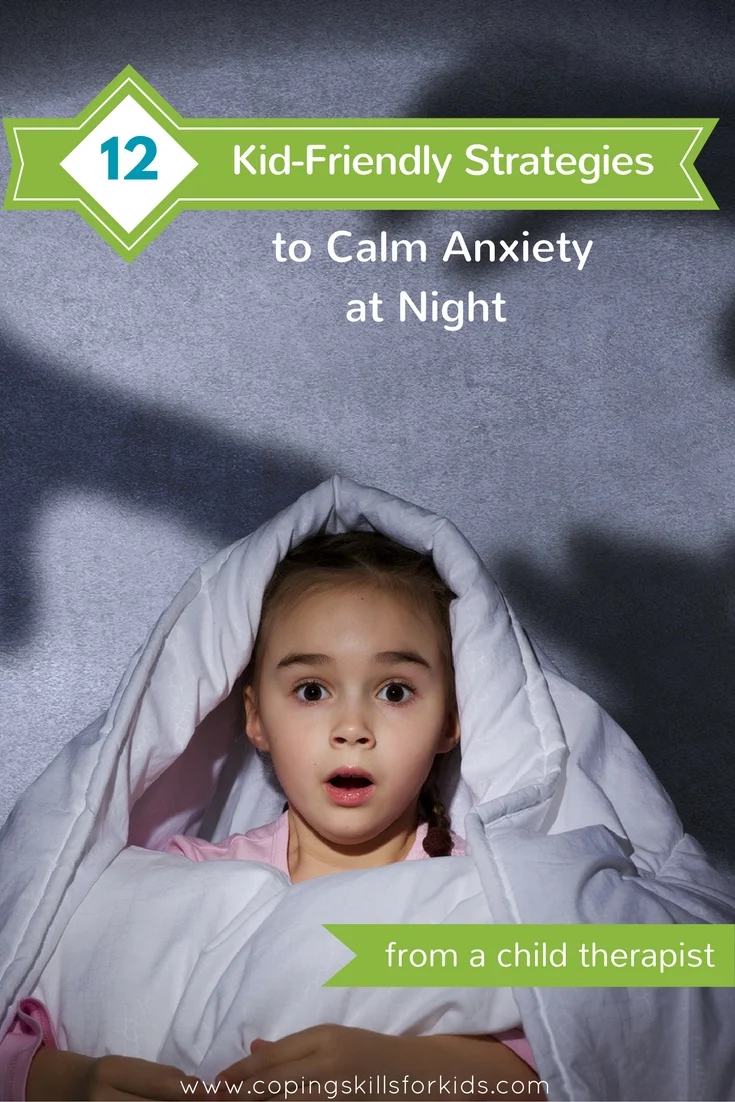
At the heart of immediate nighttime calm lies diaphragmatic or deep breathing—a simple yet powerful tool. By focusing on slow, deep breaths that engage the diaphragm, you signal your nervous system to relax, reducing tension and intrusive thoughts. Studies have shown that this technique decreases anxiety and improves overall sleep quality, bolstering your capacity for SereneNights.
Trying it is straightforward: breathe deeply through your nose, let your belly expand, then exhale slowly. Even a few minutes can shift an anxious mind to a more grounded place. For those seeking practical demonstrations, there are handy guides that can help guide your practice towards a more peaceful rest.
Mental Gymnastics: Distracting Your Brain to Prevent Anxiety Overload
Paradoxically, trying to empty your mind completely at bedtime can sometimes backfire. Instead, engaging in “positive mental gymnastics” like visualizing peaceful scenes or counting backward can redirect your thoughts from spiraling into worry. This keeps your brain busy in a gentle way, reducing the intensity of anxious ruminations.
For instance, picturing yourself in a calm forest or by a quiet lake can evoke the feeling of EaseEvening, paving the way for a smooth transition to rest. Integrating such mental exercises into your bedtime routine can be a game-changer for anyone wrestling with nighttime anxiety.
Balancing Lifestyle Habits to Support Nightly Calm
Besides relaxation techniques, lifestyle choices have a huge impact on your ability to fall asleep and stay asleep. Moderate physical activity like yoga or light exercise during the day promotes emotional well-being and physical relaxation, laying the groundwork for CalmMind. Moreover, being mindful of your diet—favoring sleep-supportive foods over heavy, sugary meals late at night—further enhances your chances of peaceful sleep.
Avoiding screens too close to bedtime helps preserve melatonin levels, crucial for restful nights. If you’re curious about how to tackle more stubborn sleep issues linked with anxiety, there’s plenty of expert advice available at explore proven solutions for sleep disorders.