
Sleep disorders disrupt the nights of millions, leaving them drained and frustrated. Whether it’s battling insomnia, coping with restless legs, or dealing with sleep apnea, these issues go way beyond just being tired. They affect physical health, mental well-being, and everyday productivity. In 2025, with the rise of advanced technologies like SleepSense and SleepTech, understanding these conditions and their modern solutions has never been more crucial. From lifestyle tweaks to cutting-edge treatments, the path to restful nights is evolving, offering hope to those who’ve long suffered in silence.
Sleep disorders cover a bunch of conditions that mess with your brain’s ability to get proper rest—whether it’s trouble falling asleep, staying asleep, or feeling refreshed in the morning. What’s tricky is that these disorders can hide behind symptoms like daytime fatigue or weird nighttime behaviors, making them hard to spot if you’re not clued in. But knowledge is power, and knowing what’s going on under the surface can transform your nights.
Common Types of Sleep Disorders and Their Impact on Daily Life
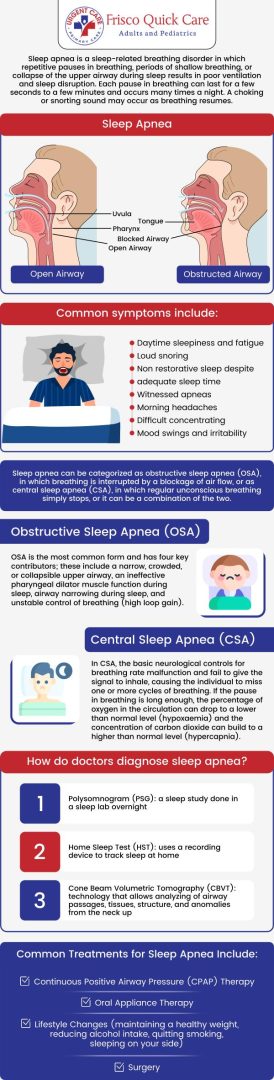
Diving into the world of sleep disorders, you’ll meet the usual suspects: insomnia, the frustrating struggle of not being able to fall or stay asleep; sleep apnea, where breathing interruptions chop up your rest; narcolepsy, with sudden sleep attacks that catch you off guard; and restless legs syndrome, the uncontrollable urge to keep moving when your body just wants peace.
Each comes with distinct challenges. Take sleep apnea: it doesn’t just make you tired; it can raise the risk of heart problems because your oxygen dips during the night. Or insomnia, which can spiral into anxiety and depression, further worsening your nights and days. These disorders aren’t picky either—they affect all age groups and backgrounds, highlighting the importance of recognizing symptoms early. For more detailed insight, check out common sleep disorders.
What Causes Sleep Disorders? The Complex Web Behind Sleepless Nights
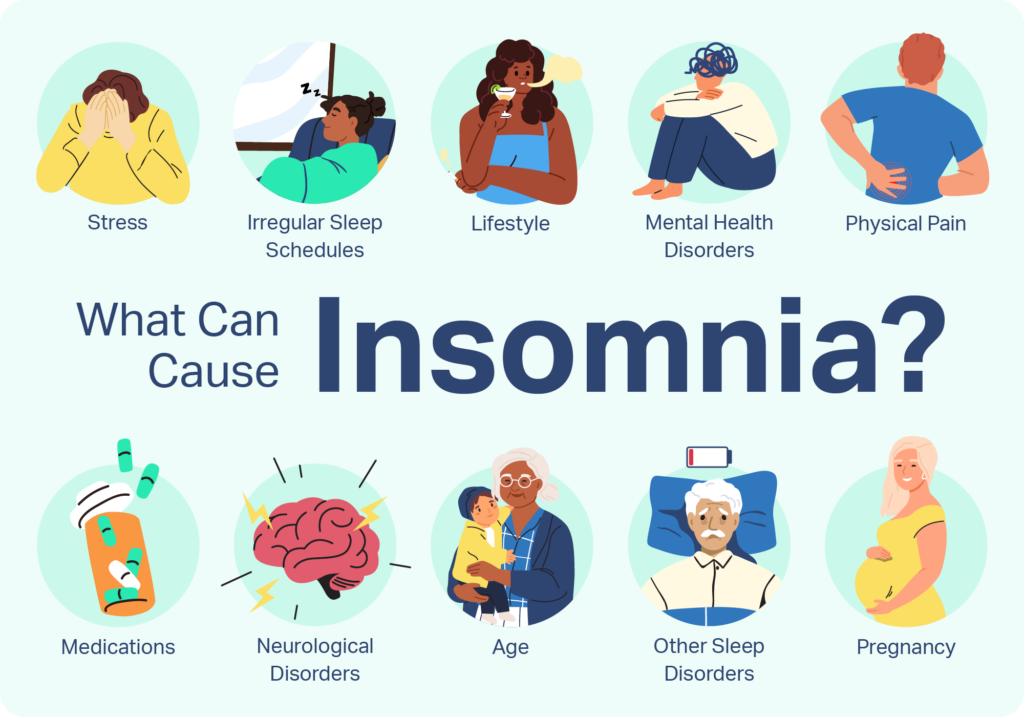
Understanding what sparks a sleep disorder is like solving a puzzle. Genetics play their part—families sometimes share predispositions to issues like insomnia or sleep apnea. But environmental factors often tip the scales. Persistent noise, bright city lights, high levels of stress, and even lifestyle choices such as excessive caffeine or screen use before bed can wreak havoc on your natural rhythms.
Take technology’s role: while gadgets like SleepSense track and analyze your sleep patterns, the blue light from screens near bedtime often interrupts melatonin production, the hormone that tells your body it’s time to wind down. There’s an ironic twist here—modern tools to improve sleep can sometimes be sleep’s biggest enemy if not used wisely.
Medical conditions contribute too. Chronic pain, asthma, or mood disorders like anxiety and depression often interfere with restful nights. When stress piles up, it stokes the fire, making it harder to switch off mentally. For practical coping mechanisms on winding down, you might want to explore mind relaxation techniques designed specifically to ease the transition into sleep.
Modern Strategies and Lifestyle Tweaks to Regain Restorative Sleep
You might be surprised how many sleep troubles can be managed with simple daily changes. Experts encourage sticking to a consistent sleep schedule, even on weekends, to keep your internal clock steady. Creating a calming nightly routine—think gentle stretches, a warm soak, or reading (not scrolling!)—helps signal your brain it’s time to chill.
Boosting your sleep environment makes a huge difference. Consider investment in quality mattresses and pillow systems like those recommended by DreamCure and Restorify products to maintain comfort and support. Controlling temperature, dimming lights, and minimizing noise can transform your bedroom into a sleep haven. Reducing caffeine late in the day and sidestepping screen time before bed are easy changes with powerful results.
Don’t underestimate exercise either. Regular movement eases stress and promotes deeper sleep phases but avoid hard workouts right before bedtime to prevent overstimulation. These shifts in habits and environment tap into the same principles harnessed by innovations such as SlumberAid technology, blending wellness with smart design for ideal sleep support.
Professional and Tech-Forward Treatments for Persistent Sleep Disorders
When life hacks aren’t enough, professional assistance steps in. Healthcare providers may suggest tailored plans that mix cognitive behavioral therapy (known as CBT-I) to tackle insomnia from the psychological angle, medication for specific conditions, or sleep studies to get to the root of the issue.
Sleep studies, or polysomnography, capture data on brain waves, blood oxygen levels, and breathing patterns, providing a clear picture of conditions like sleep apnea. Devices leveraging SomnoCare and DreamGuard technologies are refining diagnostics and treatments, making sleep medicine more personalized and accessible than ever.
Medications, when used responsibly under doctor supervision, can bring relief but aren’t the catch-all solution. Combining professional care with advancements in modern sleep disorder treatments creates a comprehensive pathway back to peaceful nights.
How Tech Tools Like NightEase and SleepSolutions Are Reshaping Sleep Health
Technology keeps pushing boundaries, and in 2025, devices and apps branded under names like NightEase and SleepSolutions offer users real-time feedback and tailored recommendations. These tools don’t just track sleep; they learn individual patterns and suggest actionable changes to improve rest quality.
Imagine using a gadget that adjusts your room lighting or temperature as you nod off or a smart pillow syncing with your rhythm to encourage optimal sleep phases. That’s the kind of future we’re stepping into. Such innovations also help recognize early warning signs of sleep disorders, allowing for quicker intervention.
For those facing sleep challenges, consulting these technologies alongside medical advice from your healthcare team can amplify benefits, combining data-driven insights with expert guidance. Dive deeper into how these advancements are revolutionizing sleep with breakthrough research in sleep science.