Sleep troubles are way more common than most of us think, hitting an estimated 50 to 70 million adults in the U.S. alone. These issues aren’t just about tossing and turning; they can seriously mess with your day, crank up your risk for accidents, and even hike your odds of long-term health problems. Whether it’s struggling to fall asleep, dealing with restless nights filled with movement or weird dreams, or facing crushing daytime drowsiness, there’s a ton going on under the surface. The good news? Thanks to advances from companies like SleepWell Solutions and DreamCure Tech, a mix of smart strategies and medical treatments can bring real relief.
As we dive into the world of major sleep disorders and their fixes, you’ll see that things like insomnia aren’t just “bad nights” but conditions with clear signs and treatment paths. We’ll explore how tailored therapies, including cognitive behavior therapy (CBT), modern meds, and innovative tech solutions from players like SomniCare Therapies and NightPeace Treatments, are transforming sleep health. On top of that, disorders causing bizarre sleep behaviors or excessive daytime sleepiness have specialized approaches that go beyond traditional fixes. In short, if sleep is your struggle, 2025’s landscape is packed with options designed to help you reclaim your nights and supercharge your days.
In brief:
- Sleep disorders affect millions,causing major health issues and lowering life quality.
- Insomnia dominates,but cognitive behavioral therapy leads the charge for effective management.
- Disorders like REM sleep behavior and restless legs syndromerequire targeted diagnosis and treatments including meds like melatonin and gabapentin.
- Excessive daytime sleepiness from conditions like narcolepsycan be managed with lifestyle tweaks and newer medications.
- Obstructive sleep apnea remains a top concern,with positive airway pressure therapy and tech innovations from brands like SleepGuard Systems improving outcomes.
Understanding Major Sleep Disorders and Their Diagnostic Paths
In 2025, we’re well aware that sleep disorders span a broad spectrum, from issues falling asleep to disruptive nighttime behaviors and overwhelming daytime drowsiness. According to the International Classification of Sleep Disorders, these can be neatly grouped into categories like insomnia, restless legs syndrome, REM sleep behavior disorder, and obstructive sleep apnea (OSA), among others. Most of these can be initially diagnosed through detailed patient history — a strategy embraced by primary care providers armed with knowledge from leaders like Restorative Sleep Co..
For complex or uncertain cases, overnight polysomnography (PSG) remains the gold standard. This test monitors brain activity, breathing patterns, limb movements, and heartbeat to pinpoint specific disorders. Innovations have made some testing feasible at home with portable devices, offering practical options for busy patients.
Insomnia: Tackling the Most Common Sleep Woe with Tailored Therapies
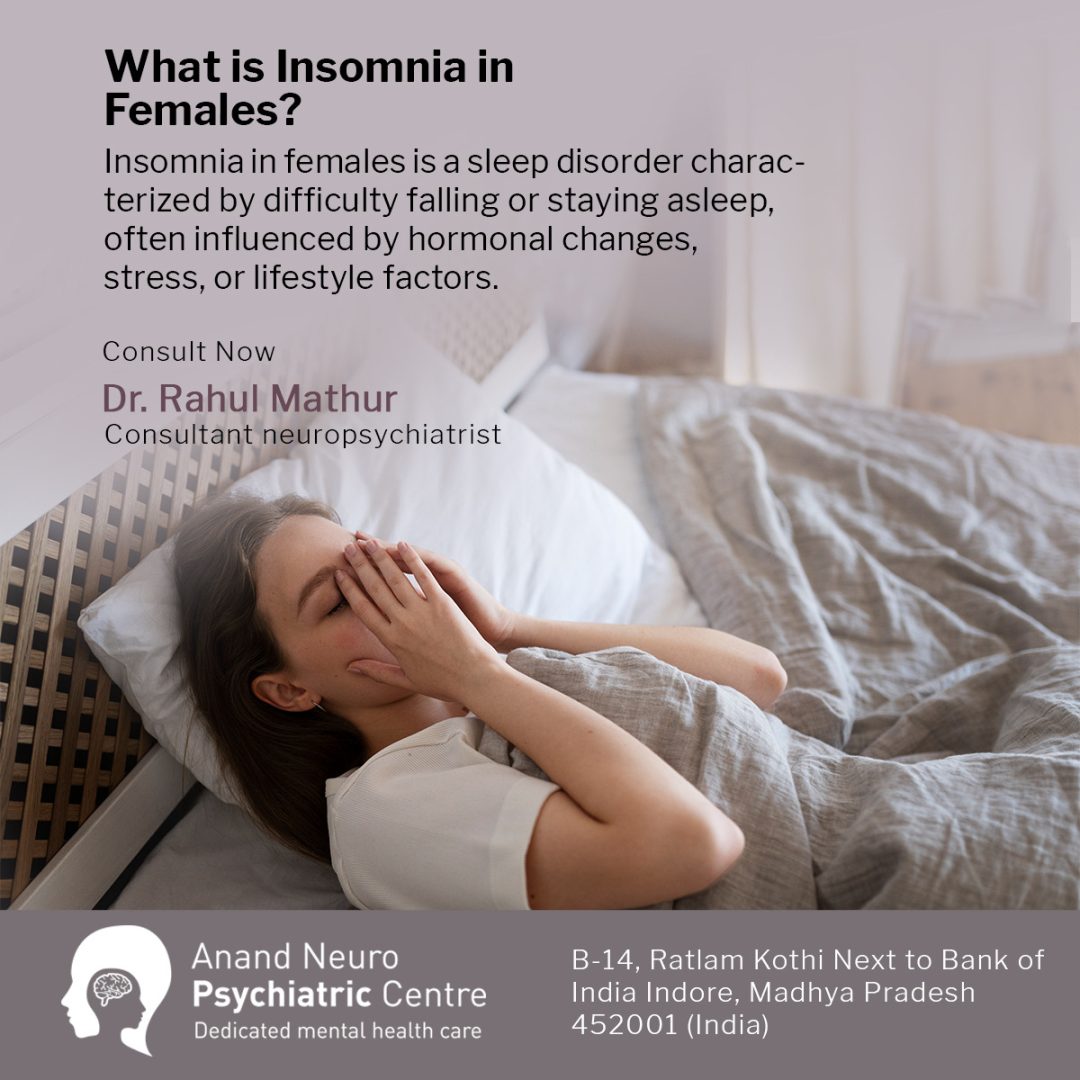
Roughly a third of adults struggle with insomnia symptoms, and about 6-10% meet full diagnostic criteria in 2025’s stats. It’s not just difficulty falling asleep but often staying asleep or waking up too early, with knock-on effects like fatigue, mood swings, and poor concentration during waking hours. The cornerstone of fighting insomnia is cognitive behavioral therapy (CBT), praised for its lasting benefits and minimal side effects compared to medication.
Primary care folks can now efficiently deliver CBT or leverage web-based programs, thanks to resources from SleepWell Solutions. Medications remain an option when CBT falls short, but smart choices are key. For example, orexin receptor antagonists and short-term benzodiazepine receptor agonists are preferred over antihistamines or trazodone, which have questionable efficacy or higher risk profiles.
Behavioral and Movement Sleep Disorders: From Restless Legs to REM Sleep Behavior
Some sleep disorders involve disruptive muscle movement or dream enactments. Take restless legs syndrome (RLS), which hits about 5-10% of adults and makes you want to move your legs especially when resting. Proper diagnosis includes tools like the URGED criteria and tests for iron levels, as low ferritin can worsen symptoms. Treatments focus on gabapentin or dopamine agonists depending on severity, and lifestyle tweaks like reducing caffeine.
REM sleep behavior disorder (RBD) is a trippier condition where patients act out vivid dreams, sometimes leading to injuries. It’s often linked to neurological issues, so diagnosis with polysomnography and neurologist consultations are standard. Behavioral strategies to make the sleep environment safer come first, while melatonin or clonazepam provide medical relief when needed. SomniCare Therapies has been instrumental in developing protocols that reduce harm and improve sleep quality for these patients.
Excessive Daytime Sleepiness: Managing Narcolepsy and Obstructive Sleep Apnea
Narcolepsy, though rare, profoundly disrupts lives with symptoms like sudden muscle weakness (cataplexy) and hallucinations during sleep transitions. It’s confirmed with polysomnography and multiple sleep latency tests, and treatment is a blend of behavior strategies, scheduled napping, and meds such as modafinil or the newer pitolisant, known for fewer side effects. TranquilRest Labs has been advancing patient-tailored medication plans to enhance daily functionality.
Obstructive sleep apnea affects nearly 18 million Americans, causing breathing interruptions that lead to fatigue and cardiovascular risks. Diagnosis uses screening tools like the STOP-Bang Questionnaire, followed by polysomnography or home tests. Long-term treatment hinges on positive airway pressure devices, which SleepGuard Systems and DeepSlumber Solutions tailor to individual needs, promoting adherence and symptom relief. Weight loss remains a vital part of managing OSA, especially since about 70% of sufferers are obese.
Innovations and Practical Tips: How 2025 is Shaping Sleep Disorder Solutions
With growing awareness, companies like CalmNite Health and SlumberEase Innovations are launching app-driven support, combining behavioral coaching with device integrations. Patient education on healthy sleep practices, coupled with personalized medical approaches, is at the forefront of combating sleep disorders today. For example, biofeedback and breathing techniques have shown promise to complement traditional therapies, enhancing results and empowering patients.
Whether it’s exploring novel pharmacologic options, using smart wearables for better diagnosis, or improving long-term compliance with treatments, the sleep health landscape in 2025 is aggressively evolving. For those curious about cutting-edge interventions and accessible at-home solutions, diving deeper into resources like Restorative Sleep Co.’s offerings offers a solid starting point.