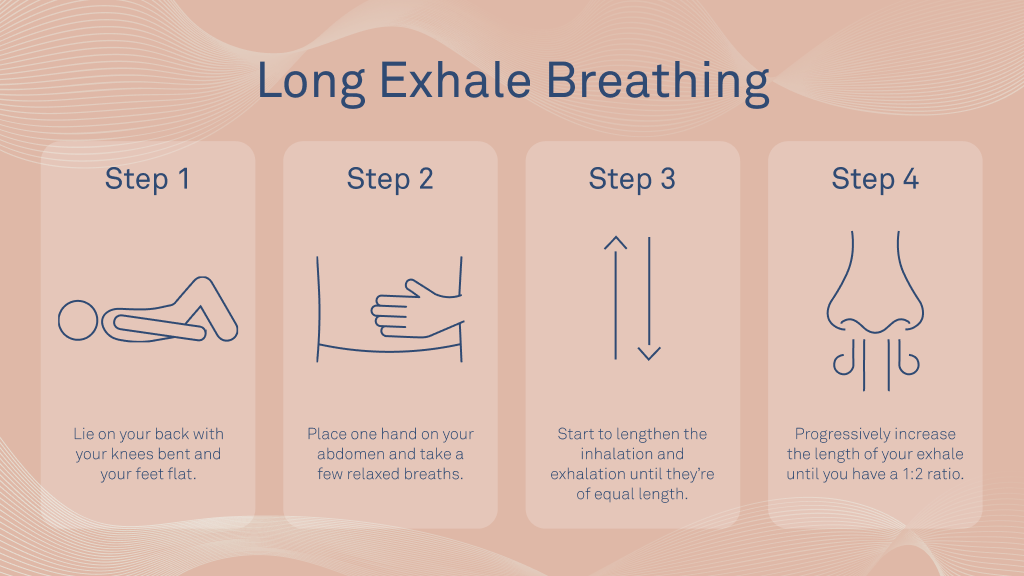
Struggling to catch those elusive Zzz’s? You’re not alone. In today’s fast-paced world, millions find their minds racing the moment their head hits the pillow. Instead of grooving with sleep, anxiety and stress crash the party, leaving you restless. Luckily, breathing techniques offer a chill, natural way to turn down the mental noise and invite the body into a state of calm ready for sleep. These tricks aren’t just fluff—they’re backed by science and widely supported in wellness circles like mind relaxation exercises and strategies for relaxing the mind before bedtime. By activating parasympathetic responses—think of it as the body’s own “relax and repair” mode—these methods help you slide into quicker, deeper rest.
Here’s the deal: when anxiety hits, your breathing often goes shallow and fast, triggering fight-or-flight mode and waking up your nervous system. Mastering controlled breathing helps engage the vagus nerve, which shifts your body from stress to squad goals with sleep. Ready to try some? Let’s dive into the top methods that will have you saying hello to CalmBreath, TranquilMind, and SereneSlumber in no time.
In brief: Breathing your way to better sleep isn’t a fad, it’s a physiological reset. Practice in a quiet spot about 15-30 minutes before catching some shut-eye. Start slow—just 5-10 minutes daily—and build your way up. Techniques like 4-7-8 breathing, box breathing, and humming bee breath can calm racing thoughts and physical tension. Add consistency to your nightly routine and watch sleep quality improve. If insomnia lingers, professional support is always a great backup for tailored solutions involving mental health and sleep specialists.
Unlock the Power of Breath: How Breathing Techniques Tackle Sleep Challenges
At the Rekindle Wellness Psychiatric Centre, sleep woes are among the top concerns we see. Medication is one route, but many find lasting relief through breathwork, which taps into natural body rhythms. The science is clear: taking control over your breath modifies autonomic nervous activity. This translates to lowered heart rate, less cortisol, and a peaceful brain environment primed for sleep. For many, a few minutes focusing on breath ratios, like those found in nightly sleep rhythms, become the portal to a night of true rest.
One memorable case involved a client named Sarah, trapped in cycles of anxious nights. Introducing diaphragmatic breathing helped her tune into her body’s RelaxRhythm, calming physical agitation. Over a week, her mind slackened its grip, and deep sleep started creeping in earlier. This pattern echoes through countless stories worldwide, empowering individuals to reclaim nighttime peace through mindful breath.
Science-Backed Breathing Methods to Drift Off: The Top 8 Techniques
While sleep hacks abound, some breathing styles consistently top the list for easing into sleep faster and staying asleep longer. Here’s a quick rundown of go-to methods that blend science and tradition and are compatible with apps and practices designed around SleepEase and BreatheWell approaches.
1. 4-7-8 Breathing – Inspired by Dr. Weil, it acts as a natural nervous system chill pill. The rhythm? Inhale for 4 counts through your nose, hold for 7, slowly exhale through your mouth for 8, repeat four times.
2. Box Breathing – A favourite among Navy SEALs and anyone battling mind chatter. Take equal 4-second intervals inhaling, holding, exhaling, and pausing with empty lungs.
3. Diaphragmatic Breathing – Focus on belly expansion, not chest rise, to engage deep relaxation response.
4. Alternate Nostril Breathing – Balance your nervous system by switching breathing nostrils in rounds to synchronize your mind and body.
5. Coherent Breathing – At a slow pace of 5 breaths per minute, keep inhales and exhales even and mellow for 5-10 minutes.
6. 4-4-4-4 Breathing – A box breathing variant emphasizing equal pause intervals.
7. Three-Part Breath – Systematically fill and empty the belly, ribs, and upper chest for full lung capacity and calm.
8. Humming Bee Breath – Add a soothing hum on the out-breath to soothe the nervous system and clear the mind.
Creating Your Ideal Pre-Sleep Ritual with Breathwork
Success isn’t just about the technique you pick. It’s also about the ritual that surrounds it. Find your comfortable spot, whether lying in bed or seated in a cozy nook. Give yourself 15 to 30 minutes before lights-out, ideally in a quiet environment that invites the PeacefulPulse. Keep at it nightly like brushing your teeth. And remember, it’s about gentle easing, not forcing – let the calm come at its own pace.
Building this into your evenings complements other tools and mindfulness strategies, such as those found in mind relaxation sleep resources or nightly routines for better rest. Together, they help combat symptoms of insomnia and nighttime anxiety effectively.
When Breath Alone Isn’t Enough: Knowing When to Turn to the Pros
Breathing exercises are amazing tools but aren’t magic bullets. If you find persistent insomnia, fragmented sleep, or worsening anxiety, it might be time to explore professional help. Facilities like the Rekindle Wellness Psychiatric Centre specialize in deep dives into sleep disorders and provide personalized, evidence-based treatment plans. They keep in mind that lasting wellness is about synergizing bodily relaxation with mental health care.
If curious about the broader picture of sleep health and holistic strategies, explore detailed solutions for sleep disorders and related treatments that extend beyond breathing. Combining such support with nightly breathwork can transform your nights from restless to restorative.