
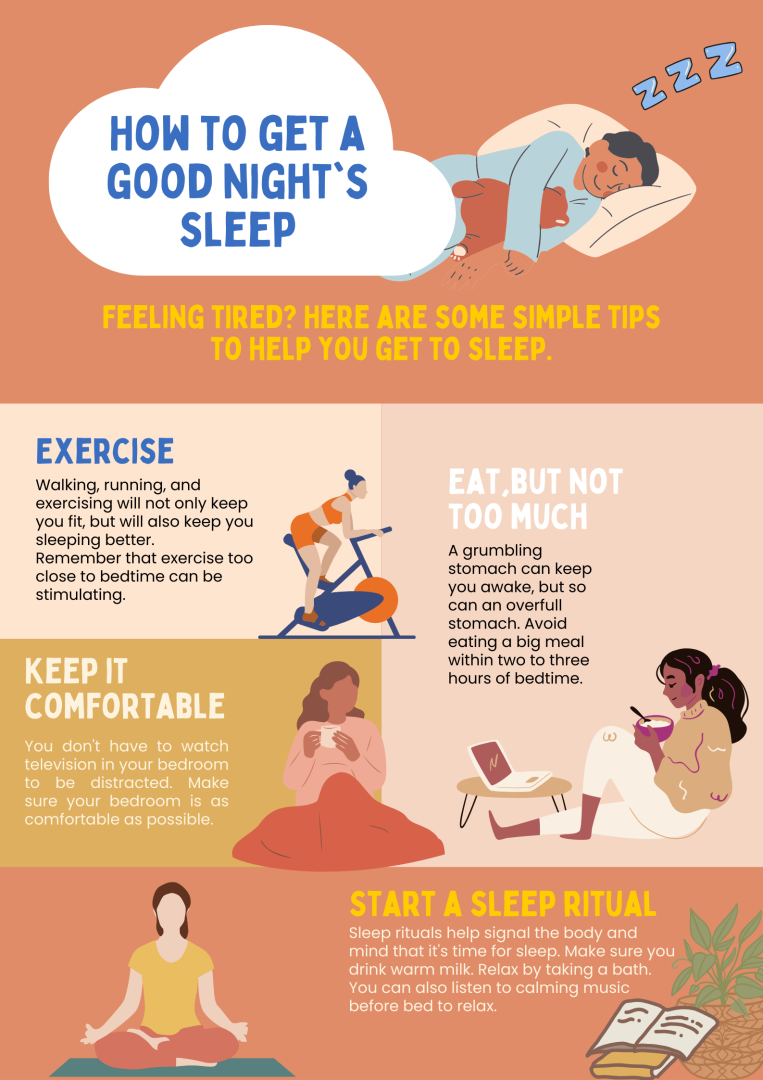
When nighttime rolls around, diving straight into a peaceful sleep is what everyone craves. Yet, the journey to slumberland isn’t always smooth — often thanks to heightened sleep latency, the gap between closing your eyes and actually dozing off. Tackling this sleep hurdle involves more than lucky guesswork; it’s about intentionally crafting a nightly routine that gently guides your brain and body into rest mode. By aligning with your natural rhythms and decoding what signals your body needs to switch gears, you can shave off restless minutes and enjoy deeper, more refreshing sleep. Whether you’re battling sleep anxiety or just want to fall asleep faster, the right routine can become your best nightly ally.
En bref: Setting up soothing habits before bed can reduce that frustrating wait before sleep. Key moves include establishing a steady bedtime, dimming screens in favor of calming activities, and employing relaxation rituals like deep breathing or journaling. Tailoring your bedroom environment with the right temperature and lighting supports this transition. Along with cutting stimulants at night and reflecting on your routine’s impact, these steps can transform your evenings, making falling asleep something you look forward to.
How Consistent Schedules Slash Sleep Latency and Ease Sleep Anxiety
One of the strongest tools against a sluggish drift into dreamland is consistency. Setting a predictable bedtime anchors your body’s internal clock or circadian rhythm, a master regulator of sleep patterns. When your body isn’t guessing when to expect sleep, anxiety has less room to stir, and sleep latency drops naturally. Suppose you aim to catch those coveted 7 to 9 hours regularly; sticking to the same bedtime and wake-up time every day—including weekends—can recalibrate your system while reducing the mental fog that delays sleep onset.
Imagine your evening like a soft sequence of cues, where your brain links calming activities with the promise of rest. This operates much like the scientifically backed SleepEase strategies that promote a stable rhythm. Missing this rhythm, especially in 2025’s fast-paced world, only adds to the turmoil. For more tailored advice on managing sleep schedules and tackling sleep anxiety, exploring specialized sleep disorder treatments offers avenues for relief.
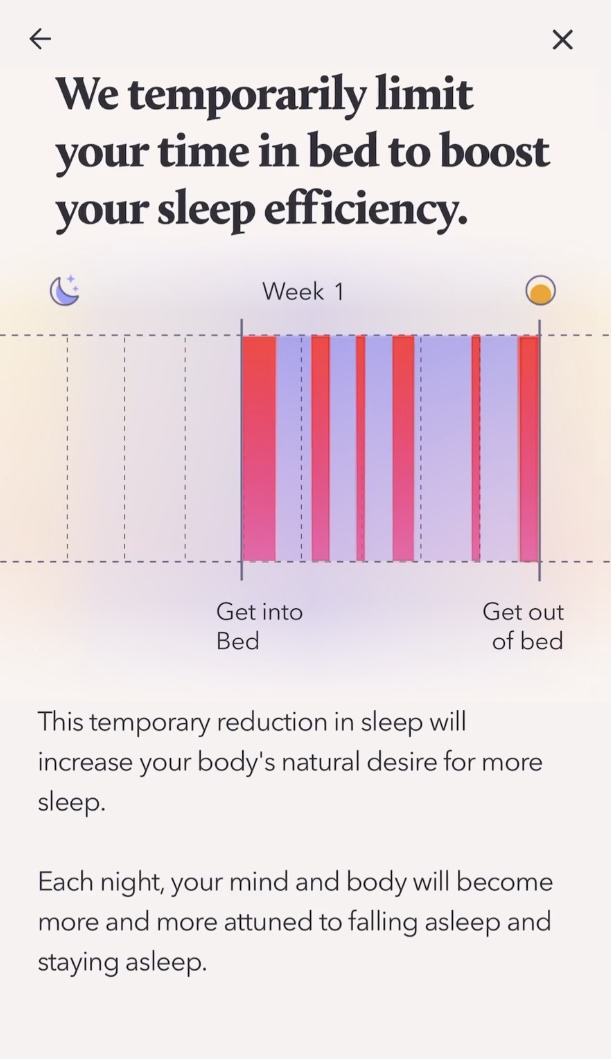
Digital Detox: Reclaiming Sleep with a Screen-Free Night
Our screens have become bedtime villains, flooding our senses with blue light that screams ‘stay awake!’ This suppresses melatonin, the sleepy hormone, and tricks your brain into thinking it’s midday. The savvy way to wind down is crafting a screen-free zone at least an hour before hitting the pillow. Replace scrolling with low-light indulgences like flipping through a paper book or jotting down thoughts in a journal. Embracing this shift aligns with the principles behind NightlyNest routines, designed for easing the transition into rest.
For those hooked on tech, using “night mode” filters on devices helps but ditching screens altogether is the more powerful choice. Curating a calm, device-free wind-down period breaks the pattern of restless nights and sets a peaceful tone. For further guidance on reducing digital disruption and enhancing your nightly routine, check out comprehensive guides on perfecting nightly routines.
Harnessing Relaxation Techniques to Speed Up the Sleep Process
Relaxation is the magic ingredient in any doze-defying routine. Techniques such as deep breathing exercises, progressive muscle relaxation, and mindfulness meditation serve as gentle nudges that quiet racing thoughts and signal your body to slow down. For example, a basic four-count breathing method—inhale for four seconds, hold, then exhale for four—can quickly convert a wired state into a calm one, priming you for sleep.
These strategies resonate with the CalmChrono philosophy: syncing calm practices to your body’s natural tendencies for winding down. Yoga stretches or gentle movement, inspired by DozeDesign routines, melt away muscle tension and invite relaxation. Besides physical benefits, such practices provide mental staging for sleep onset, staving off anxiety and encouraging a smooth transition. Dive deeper into relaxation methods proven to enhance sleep at sleep disorder solutions.
Curating Your Sleep Sanctuary for Maximum Calm
Transforming your bedroom into an inviting oasis plays a pivotal role in lowering sleep latency. Optimal sleep environments are dark, cool (around 65°F or 18°C), and quiet. Blackout curtains block out light pollution, while white noise machines—key features of SlumberSync and RestRitual setups—muffle background noise to focus your mind on rest.
Adding sensory cues like lavender aromatherapy enhances relaxation. Tailoring your environment to be a cue for slumber trains your mind to associate the room with peace and sleep. If sleep anxiety is a constant companion, reshaping your bedroom and bedtime habits can provide solid relief—learn more about designing restful spaces at healthy habits for better rest.
Mindful Consumption and Journaling: Last Steps Before Lights Out
The hours before bed are prime for avoiding stimulants like caffeine, nicotine, and excessive alcohol. These compounds disrupt your natural rhythm, causing you to lie awake longer than you’d like. As an alternative, herbal teas with chamomile or peppermint provide soothing qualities under the umbrella of TwilightTimer routines. Similarly, a light snack—think bananas or nuts—can stave off hunger without compromising sleep onset.
Journaling is another oft-overlooked gem in cutting down sleep latency, particularly in managing sleep anxiety. Taking five to ten minutes to unload worries or pen down gratitude offers mental decluttering, anchoring your thoughts away from racing concerns. This practice, enhanced through SnoozeScripts techniques, helps your mind find closure on daily stresses and prepares it to rest.
For those grappling with persistent sleep challenges, integrating these steps can be life-changing. Don’t hesitate to explore professional insights into sleep problems through resources like recognizing sleep disorder symptoms and diagnostic approaches available at sleep disorder diagnosis.