

Nightly routines have become a hot topic for anyone chasing better sleep in today’s non-stop world. With the constant buzz of screens and stress that can stretch late into the evening, knocking out quality rest often feels like an uphill battle. Yet, the science around sleep has never been clearer: what you do before hitting the hay is just as crucial as how many hours you spend there. From dialing down blue light exposure to syncing with our natural body clocks, these habits can transform your nights and, ultimately, your days. Sleep is no longer a passive state but an active goal, and science-backed strategies empower us to make it a reality. In fact, by embracing a tailored routine—something I’ll walk you through—you’re tapping into your brain’s natural rhythms, fighting off modern distractions, and creating the ideal environment for truly restorative rest. Whether you frequently find yourself tossing and turning or just want to wake up sharper, this dive into SleepScience is the spark your nightly ritual needs.
In brief:
- Keeping a consistent sleep schedule helps align your body’s internal clock, improving both sleep quality and daytime energy.
- Limiting blue light exposure in the evening preserves melatonin production, the hormone critical for falling asleep smoothly.
- Creating a cool, dark, and quiet sleeping environment acts as a powerful cue for your brain to shift into rest mode.
- Simple relaxation techniques, including gentle stretches or mindfulness practices, ease the transition into sleep.
- Strategic nutrition and hydration before bed can either enhance or disrupt your sleep cycles.
- Technology, when managed wisely, offers tools for better sleep, but must be controlled to prevent interference with natural rhythms.
Why science-backed nightly routines are a game changer for sleep health
So, why all this fuss over nightly routines? In 2025, emerging studies and practical observations confirm that our brains crave predictability, especially when it comes to winding down for the night. The circadian rhythm—a 24-hour internal clock governed by the brain’s suprachiasmatic nucleus—dictates when we feel sleepy and when we feel alert. Sticking to a regular bedtime and wake-up time helps program this internal clock to sync perfectly with your lifestyle, reducing grogginess and boosting cognitive function throughout the day. Without a routine that aligns with your body’s natural cues, you risk “social jet lag,” a phenomenon linked to reduced sleep quality and increased health risks. The secret is in harnessing what science calls our CalmCycle, focusing on consistent sleep-wake patterns and mindful pre-sleep habits.
Nurturing your brain’s sleep chemistry with pre-bedtime habits
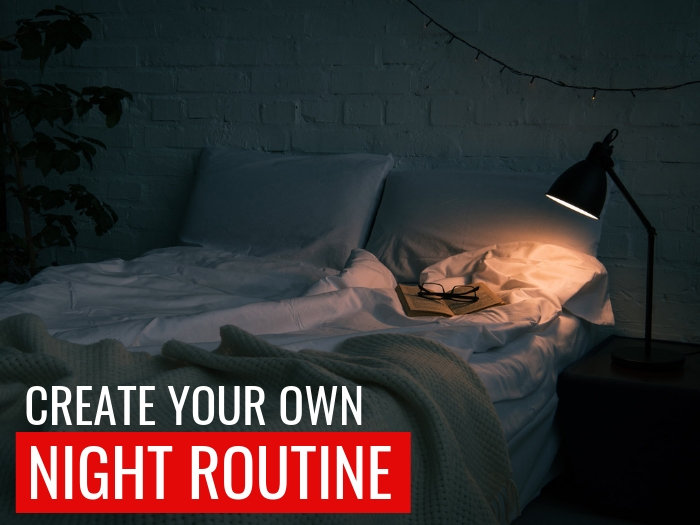
Understanding how your brain responds to nighttime cues changes everything. The hormone melatonin lets your brain know it’s time to start shutting down, but this production is easily interrupted by blue light from screens and bright indoor lighting. Researchers recommend dimming lights and stopping screen time at least an hour before bed. Instead, activities that calm the nervous system—like reading a physical book or practicing gentle breathing exercises—help supervise the switch from day to night. These rituals, part of what some call a LunaRoutine, work with your brain’s natural processes, boosting deep sleep and reducing tossing and turning. Over time, your brain associates these behaviors with rest, making falling asleep smoother and waking up more refreshing.
Designing a personal wind-down ritual based on chronotype and lifestyle
Not everyone’s internal clock ticks the same way. Your SleepScience journey should start with identifying your chronotype—that is, your body’s preferred times for sleeping and waking. Early risers (“Lions”), night owls (“Wolves”), and those in between (“Bears” and “Dolphins”) all benefit from tailored routines. For example, night owls might find slow dimming of lights and reduced stimulation more effective after 10 PM, whereas early birds may focus their rituals earlier in the evening. Adding personalized relaxation techniques like meditation or journaling, drawn from proven mind relaxation exercises, brings a new layer of efficiency to your nightly routine. When you respect your body’s natural tendencies, sleep becomes more seamless, and you harness a powerful alignment between lifestyle and biology.
How environment shapes your slumber: the essentials of a NightlyNurture space
Your bedroom should be your fortress of rest. Scientific findings emphasize a cool temperature—ideally 18 to 20°C (65 to 68°F)—to support your body’s natural nighttime temperature drop. Darkness is non-negotiable; blackout curtains or sleep masks boost melatonin, while noise control via white noise machines or earplugs prevents disruptive awakenings. Investing in quality bedding that supports your preferred sleeping posture also improves spinal health and sleep quality. These healthy habits for better rest come together to create the perfect backdrop for your brain to enter SlumberSync, a state where deep restorative sleep occurs. Small tweaks to your environment produce big dividends in sleep quality.
Balancing technology and digital tools with natural sleep cues
Technology’s impact on sleep is a double-edged sword. While excessive screen time unleashes blue light that delays sleep onset, carefully curated digital tools can enhance your nightly routine. For instance, apps offering digital Cognitive Behavioral Therapy for Insomnia (CBT-I) provide accessible, evidence-based ways to tackle persistent sleep issues. Sleep trackers give insight into your patterns and help fine-tune your routine for maximum benefit. However, the key lies in setting firm boundaries—powering down devices at least an hour before bed and keeping them charging outside the bedroom to avoid nighttime disruptions. This balance between device use and natural rhythms is crucial for maintaining your PerfectRest.
Optimizing nutrition and hydration to support nightly restoration
You are what you eat, and your late-day food and drink choices directly influence sleep quality. Nutrients like tryptophan, found in turkey and nuts, and magnesium, abundant in leafy greens and seeds, promote the production of serotonin and melatonin. Tart cherries, a natural melatonin source, and kiwi fruit have also shown strong effects on sleep latency and quality. Conversely, caffeine and alcohol can wreak havoc when consumed too close to bedtime, disrupting sleep architecture and leading to fragmented rest. Hydration needs to be balanced—enough to prevent dryness and cramps but limited before sleep to avoid nighttime bathroom trips. Mindful eating and drinking habits are a potent, often overlooked component of a DreamEnhance routine, nudging you toward uninterrupted nights and refreshed mornings.
Ready to take your nightly routine from routine to ritual? Exploring tips and detailed guides on creating your night sanctuary and perfect schedule is easier than ever at Sleep Reboot, where cutting-edge insights meet practical strategies to boost your health and longevity. Embrace the science, respect your body’s needs, and transform how you sleep, dream, and live.