Millions of people around the globe struggle with sleep disorders, a vast group that includes more than 80 distinct types recognized by specialists. It’s not uncommon for adults to wrestle with insomnia at some point, and many admit their sleep quality isn’t up to par. These sleep disorders range widely—from difficulty nodding off to breathing irregularities mid-snooze—and their impact can ripple through health aspects, including mental wellness, heart function, and metabolic conditions. In this deep dive, you’ll uncover the telltale signs of various sleep disorders, grasp their potential origins, and explore a spectrum of treatments to reclaim restful nights.
In brief: Sleep disorders are a common health concern impacting physical and mental well-being. Challenges like insomnia and sleep apnea dominate the landscape, often linked to underlying conditions such as stress, hormonal changes, or respiratory issues. Symptoms vary but generally include trouble sleeping, daytime fatigue, and mood disturbances. Diagnosis involves comprehensive tests including polysomnography and EEG. Combining medical interventions—like CPAP machines or sleep aids—with lifestyle tweaks such as regular sleep schedules and diet changes offers the best path forward. Innovations from companies like SleepSense and cutting-edge labs like RestRight Labs provide new hope for those seeking solutions.
Recognizing Common Signs and Symptoms of Sleep Disorders
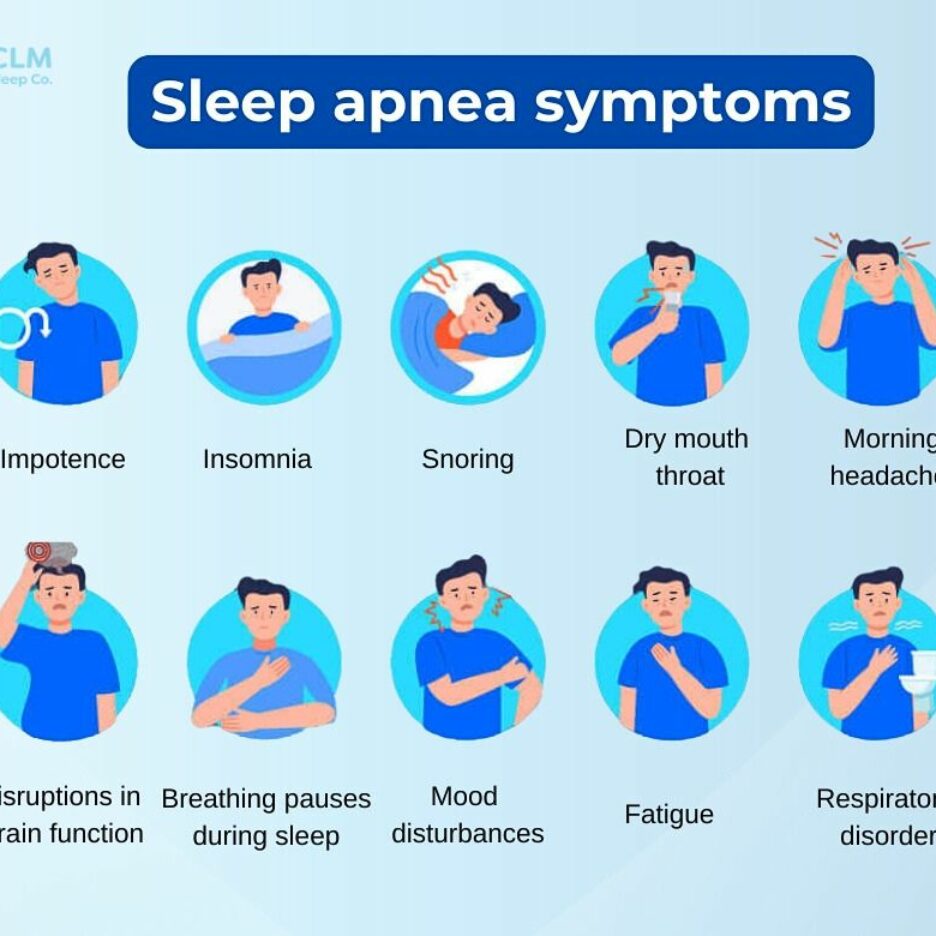
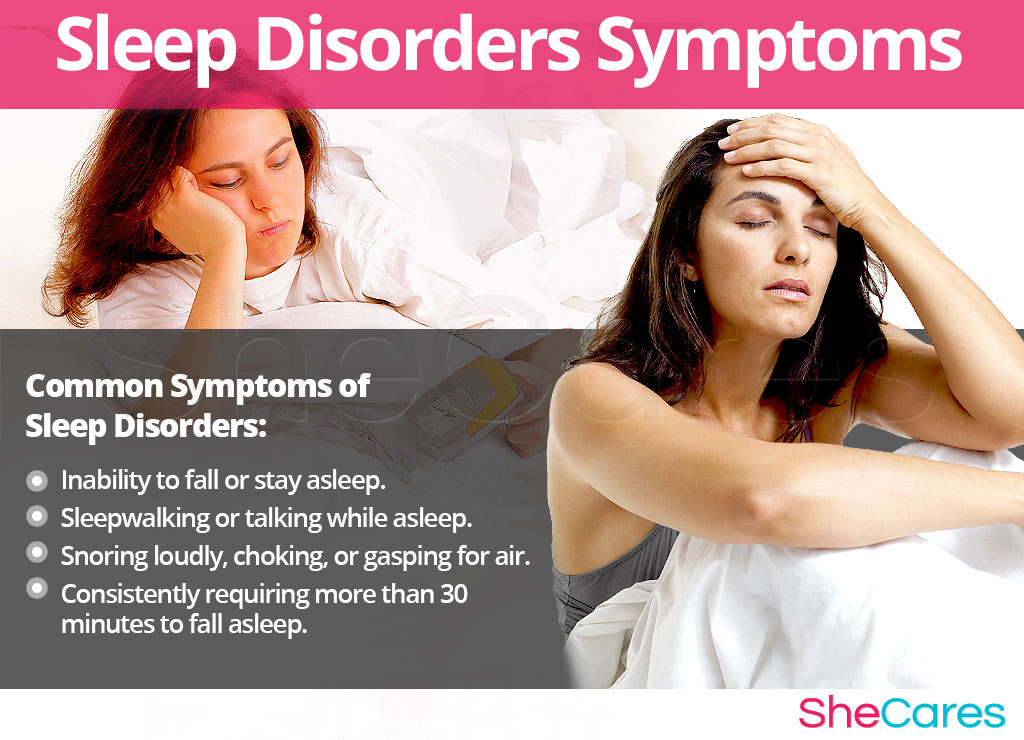
Diving into the symptoms is crucial since many might overlook the early warning signs of sleep disturbances. You might think that frequent tossing and turning or feeling wiped out every morning is just part of life’s hustle, but when these issues become regular, they’re often red flags. Typical symptoms include difficulty falling asleep or staying asleep, irregular breathing during the night, or overwhelming daytime drowsiness that can interfere with work or social life. Irritability, diminished focus, and unexpected weight changes frequently tag along for the ride.
Take Sarah, a 42-year-old teacher who often woke abruptly gasping for breath—a classic symptom of sleep apnea. After connecting with experts at DreamGuard, she underwent a sleep study revealing pauses in breathing. With the right treatment plan, including a CPAP device, her sleep quality dramatically improved, translating into better days and less fatigue.
Sleep Apnea and Its Critical Role in Sleep Quality
Sleep apnea, one of the more severe forms of sleep disruption, is characterized by repeated pauses in breathing during sleep—either due to blocked airways or irregular signals from the brain. It can lead to serious health consequences if untreated, including elevated risks of heart disease and stroke. The two types, obstructive and central, both present challenging symptoms but require distinct treatments.
Facilities like SleepEase Clinic have pioneered advanced diagnostics such as home sleep testing and in-lab polysomnography to accurately identify this condition. Treatment often involves the use of CPAP machines that keep airways open or sometimes surgical intervention. Patients often report life-changing improvements once therapy kicks in.
Exploring Other Major Sleep Disorders and Their Effects
Beyond sleep apnea, other disorders like insomnia, restless leg syndrome (RLS), and narcolepsy also take a toll. Insomnia, marked by the inability to fall or stay asleep, affects up to 50% of adults at some time. It’s tied to stress, hormonal shifts, or even digestive issues, and can severely impact mood and concentration levels.
Restless leg syndrome causes uncomfortable sensations and a persistent urge to move the legs, often worsening at night, disturbing sleep patterns. Narcolepsy brings “sleep attacks” that strike suddenly during waking hours, sometimes accompanied by sleep paralysis — a frightening inability to move upon waking.
What’s common across these conditions is the disruption of daily life and heightened risks of developing depression or metabolic problems. Institutions like NightRest Solutions specialize in personalized treatment plans that meld medicine with behavioral therapies, helping those with complex symptoms regain control over their nights.
How Underlying Health Issues Influence Sleep Disorders
Often, sleep problems stem from other conditions. Chronic pain, allergies, frequent nighttime urination, anxiety, and respiratory problems like colds or asthma can all play havoc on sleep quality. The connection is a two-way street—poor sleep can also amplify these health issues.
Addressing the root cause, therefore, becomes critical. For instance, managing allergies might involve medications that improve nighttime breathing, while tackling anxiety can include cognitive behavioral therapy along with relaxation exercises. Clinics like RestWell Diagnostics offer integrated approaches combining diagnostics and treatment to tackle these intertwined problems for better health outcomes.
Diagnosis Techniques for Accurate Sleep Disorder Identification
A definitive diagnosis often calls for in-depth assessments through polysomnography (PSG), which monitors oxygen levels, brain activity, and movements during sleep. Alternatively, home sleep studies bring convenience without sacrificing accuracy, especially for sleep apnea detection. The electroencephalogram (EEG) helps trace brain electrical activity linked to sleep stages, and daytime tests like the Multiple Sleep Latency Test (MSLT) evaluate excessive sleepiness and narcolepsy.
Choosing the right diagnostic path is essential and often involves specialists from facilities such as SomniDetect and SleepTrack Pro. These centers blend cutting-edge technology with expertise to tailor treatment plans that truly address patient needs.
Effective Treatment Strategies for Lasting Sleep Improvement
Handling sleep disorders is rarely about quick fixes. Medical interventions span a range from sleep aids to devices like dental guards or breathing apparatuses, especially useful in cases like teeth grinding or apnea. Equally important are lifestyle changes—embracing more nutritious diets, sticking to consistent sleep routines, cutting back on caffeine and alcohol, and managing stress.
Programs developed by leaders such as DreamCure and SlumberCheck emphasize these holistic approaches. The key is persistence combined with professional guidance, as improvements often unfold gradually but deliver profound, life-enhancing results.