In a world where smartphones have seamlessly integrated into our daily lives, they’ve also become unexpected allies in our quest for better sleep. With about 77% of American adults owning smartphones, these devices offer an array of tools not only for entertainment but also for enhancing wellbeing through specialized sleep apps. As we navigate the complexities of modern life, more people are turning to these apps to combat sleep disruptions and embrace healthier nightly routines.
According to recent data, roughly one in three adults struggles to get sufficient sleep, making the quest for effective sleep aids more relevant than ever. Sleep apps offer a blend of technology and personalized coaching to address this widespread issue. If tossing and turning is familiar to you, it’s worth exploring how these digital solutions can be tailored to your needs. From calming bedtime stories to detailed sleep tracking, the variety of options available can help transform your nights into restful escapes.
En bref :
- Smartphones have evolved from daily companions to integral tools for improving sleep quality.
- Sleep apps offer features ranging from guided meditation and relaxing sounds to personalized coaching and sleep tracking.
- Popular apps like Calm, Headspace, and Sleep Cycle stand out for their variety and user-friendly interfaces.
- Many apps provide free trials and subscription models, making it easier to find one that suits your lifestyle.
- Integrating these apps into your nightly routine can promote relaxation, reduce stress, and ultimately enhance sleep.
Unlocking the Power of Sleep Apps: How Technology Supports Restful Nights
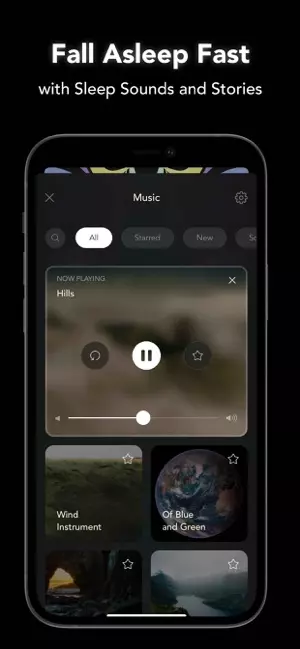
The modern sleep apps market is a dynamic blend of science and soothing experiences designed to tackle sleep issues head-on. Take Calm, for example, renowned for its calming bedtime stories narrated by familiar voices like Matthew McConaughey. Alongside narrated tales, it offers meditation, breathing exercises, and soothing music that cater to both adults and children. While Calm doesn’t track sleep data directly, its weekly content updates and personalized recommendations help users wind down effectively.
On the personalization front, Sleep Reset stands out by beginning with a thorough sleep assessment. This app pairs users with certified sleep clinicians and creates tailored strategies, integrating guided meditations and breathing exercises to improve sleep hygiene. Unlike apps focused solely on relaxation, Sleep Reset offers the ability to track your sleep patterns, empowering you to optimize your bedroom environment and habits for better rest.
Simple Yet Powerful: Apps That Prioritize Ease of Use
When it comes to intuitive design, Chorus Sleep shines. Its foundation in cognitive behavioral therapy for insomnia (CBT-I) means all programs target real, science-backed sleep problems. The app offers audio libraries filled with soundscapes and white noise and syncs with wearable devices for accurate sleep tracking. Chorus Sleep also addresses issues like snoring and pediatric sleep support, making it versatile for different users.
Similarly, Headspace combines stress relief and sleep support through guided meditations that users can tap into anytime, including quick “SOS” sessions for acute anxiety. With more than 500 programs, Headspace’s strength lies in its versatility, bridging fitness with mindfulness to build both a calm mind and a healthy body.
Insightful Tracking Meets Relaxation Techniques for Holistic Sleep Improvement
Some apps delve deep into sleep science, providing detailed insights. For instance, Sleep Score offers analytics that chart your sleep cycles and recommend personalized actions. Similarly, the Muse S Athena + App uses a headband to monitor brain activity alongside heart rate and breathing, producing a detailed picture of your slumber quality while guiding you through meditation programs designed to optimize sleep.
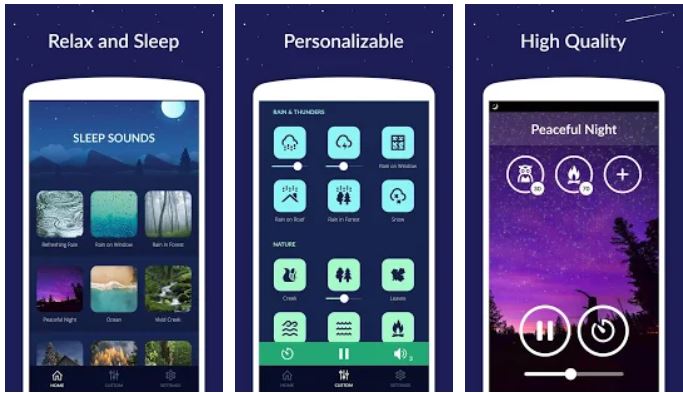
On the sensory front, apps like Relax Melodies and Noisli present vast libraries of ambient sounds, instrumental music, and white noise to create the perfect environment for winding down. The customizable nature of these soundscapes empowers users to mix and match to suit personal preferences, turning any space into a sleep haven.
Boost Sleep Hygiene with Guided Meditation and Soothing Sounds
Coupling guided meditation with calming audio is a proven approach to improving sleep quality. Apps like Insight Timer and Simple Habit offer varied practices for mindfulness and breath control, helping users to reduce pre-sleep anxiety.
Meanwhile, Pzizz stands out by merging elements of music, voiceovers, and sound effects into unique “dreamscapes” designed specifically to usher the listener into restful sleep quickly and maintain that sleep throughout the night.
Integrating Relaxation Apps into Nightly Routines for Maximum Benefit
Successful sleep improvement often comes down to consistency. Apps like Aura gently encourage the establishment of calming bedtime rituals through daily reminders and engaging content tailored to your progress. Whether it’s a short meditation session, a calming story, or ambient noises, these small habits accumulate to form a resilient nightly routine.
It’s also important to consider overall wellness; ensuring good daytime habits complements the use of sleep apps. Detailed guidance on lifestyle changes that support sleep can be explored at this resource, providing practical tips for creating a sleep-friendly environment both mentally and physically.