
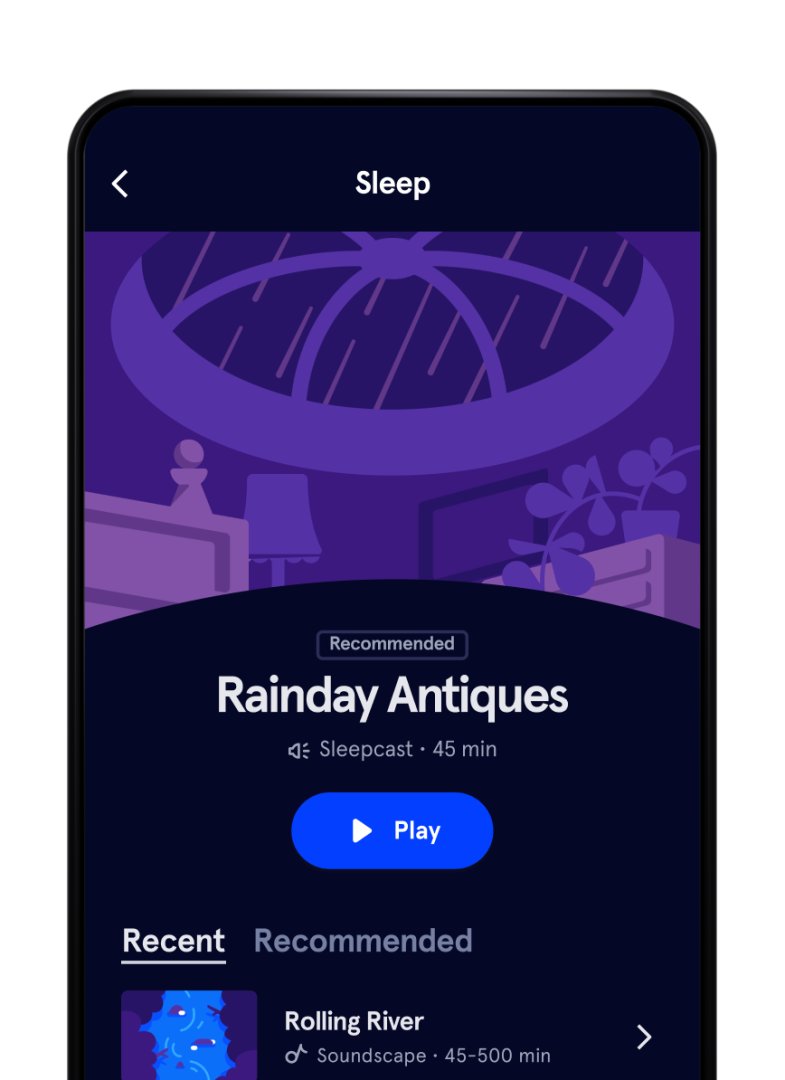
When the clock strikes bedtime, many of us face the same enemy: a restless mind that refuses to switch off. The sweat-inducing stress from the day sneaks in, leaving us wide-eyed and tangled in worries just when we want to drift off. The good news? You don’t need a prescription or fancy gadgets to reclaim calm nights. All it takes are a few mindful tools and relaxation tricks tailored to quiet both your brain and body. These approaches aren’t only about falling asleep faster but about reshaping your entire bedtime ritual to welcome peace and true rest. Whether you’re dealing with work stress, anxiety, or just the chaos of daily life, integrating simple methods like focused breathing or guided meditation can make that elusive, restful sleep feel much closer than you think.
Here’s the lowdown: calming your mind before bed doesn’t have to be complicated. It’s about finding easy, reliable techniques that fit your style and turn your bedtime from stressful to soothing. From the softness of herbal teas to the warmth of a weighted blanket, there’s something here that’ll help you embrace night after night of peaceful slumber.
Why Relaxation Exercises Are Game Changers for Stress-Free Sleep
Stress is a sleep stealer. When your body cranks up cortisol, the stress hormone, your brain goes into high alert, making drifting off close to impossible. That’s where relaxation exercises become game changers—they help dial down stress levels and prepare your nervous system for rest. Techniques like the 4-7-8 breathing or progressive muscle relaxation aren’t just relaxing; they directly counteract the biological chaos that stress causes. Plus, they’re super easy to learn and can be done right from your bed. For instance, by following a simple breathing pattern where you inhale, hold, and exhale at timed intervals, your nervous system receives signals that it’s time to let go, allowing tension to melt away gradually.
And don’t underestimate the power of your bedtime routine overall. Adding mindfulness-based practices or calming movements like gentle yoga sends consistent cues that tell your body, “Hey, it’s wind-down time.” Companies like RelaxNest and ZenSlumber have pioneered approaches that focus on merging these relaxation rituals with solid sleep hygiene to enhance overall rest quality.
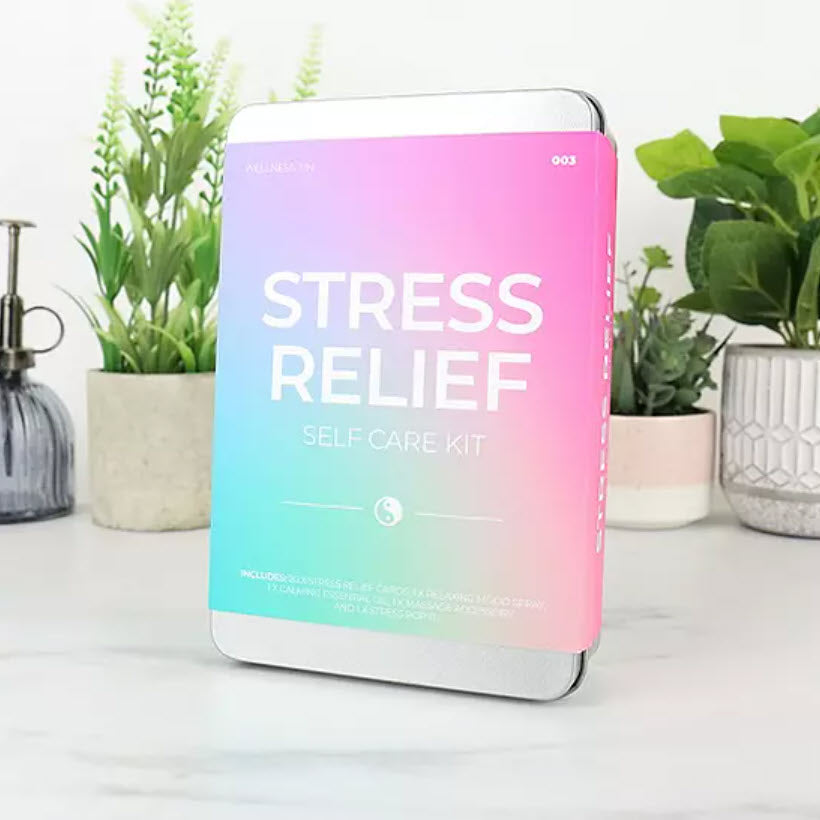
Deep Breathing: Your Fast Pass to Calmness
When stress hits just as you hit the pillow, a few deep breaths can be your best bet. The 4-7-8 breathing technique stands out because of its simplicity and effectiveness in syncing your breath with your nervous system. Start by inhaling through your nose for 4 seconds, holding that breath for 7 seconds, then exhaling slowly through your mouth for 8 seconds. This rhythm promotes a natural release of tension and switches your body from the fight-or-flight mode to relaxation mode.
It’s not magic, but science backs this up by showing that such breathing lowers cortisol levels and enhances oxygen flow. Apps like MindEase Tools have popularized guided versions of these exercises, making it even easier to slip into calm when your thoughts are racing.
Creating a Bedtime Sanctuary With Relaxation Methods
Transforming your bedroom into a sanctuary is more than fluff. It plays a crucial role in how easily your body transitions into sleep. This is where tools like weighted blankets, white noise machines, and herbal teas come into play.
Weighted blankets, a favorite at CalmNest, provide deep pressure stimulation that mimics a gentle hug, which naturally reduces anxiety hormones and fosters a cozy sense of security. Meanwhile, white noise machines offer softly masking sounds that drown out disruptive noises, signaling your brain that it’s time to relax. Herbal infusions with chamomile or valerian root complement these tools, encouraging your body’s melatonin production for a smoother slip into sleep.
Journaling and Mindfulness: Unloading the Mental Luggage
Sometimes the hardest part before bed is quieting the mind full of tomorrow’s to-dos and yesterday’s worries. That’s why bedtime journaling can be transformative—it frees up space in your head by jotting down thoughts or gratitude lists, clearing the mental clutter that blocks restful sleep. Complemented with mindfulness-based stress reduction (MBSR), these habits retrain your brain to accept the present moment instead of fighting swirling anxieties.
Platforms like RestfulRhythms and DreamEase have increasingly emphasized incorporating these cognitive practices into nightly routines, showing measurable improvements in sleep quality among users.