
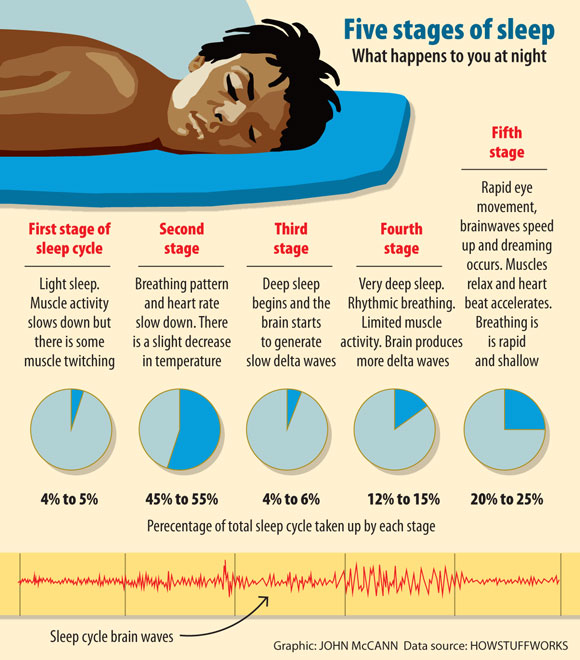
Ever wondered why sleep feels like a magic elixir for your mood? It turns out, science has pinned down just how crucial quality shut-eye is for our emotional well-being. It’s not merely about feeling rested but about the brain’s nightly work of sorting through memories and emotions that determines our mental health. As we juggle hectic schedules, prioritizing sleep often falls to the wayside, but emerging research underscores that a good night’s sleep is one of the best defenses against mood swings, anxiety, and resilience breakdowns. In 2025, with technological advances like SleepWell tracking and DreamSense analytics, we’re closer than ever to harnessing sleep science to bolster mental wellness.
In brief:
– Sleep performs vital roles beyond rest: memory consolidation, emotional processing, and metabolic waste clearance are essential night duties.
– The prefrontal cortex and amygdala’s interplay during sleep influences emotion control and stress responses.
– Sleep issues and mental health challenges create a reinforcing cycle, disrupting emotional stability.
– Targeted sleep hygiene and emerging therapies like CBTi help break this cycle and support emotional resilience.
– Advances in understanding REM sleep’s neurochemical activity open doors for innovative treatments focused on emotional memory processing.
How Sleep Shapes Emotional Well-being Through Brain Chemistry
Ever noticed how a rough night can turn you into a bundle of nerves or, conversely, how a solid eight hours can leave you feeling ready to conquer the world? That’s because during sleep, especially REM phases, your brain is busy recalibrating emotional experiences. Neurochemicals like serotonin and noradrenaline, the usual suspects behind mood and fight-or-flight responses, take a backseat during REM sleep.
This quiet stage creates a unique “cool-down” period for the brain’s emotional hotspots—the hippocampus and amygdala. Normally, the amygdala pumps up when we’re awake and under stress, but during REM sleep, their collaboration helps turn intense, new emotional memories into more familiar, less reactive ones. This natural process is a built-in emotional reset button. Unfortunately, fragmented or insufficient REM can derange this balance, leaving emotions raw and unprocessed, a common hurdle for those battling insomnia or other sleep disorders.
Understanding this laid the groundwork for breakthroughs in SlumberScience. Treatment approaches that support uninterrupted REM sleep not only improve sleep quality but also reinforce mental health on a fundamental level.
Breaking Down the Sleep-Emotion Feedback Loop
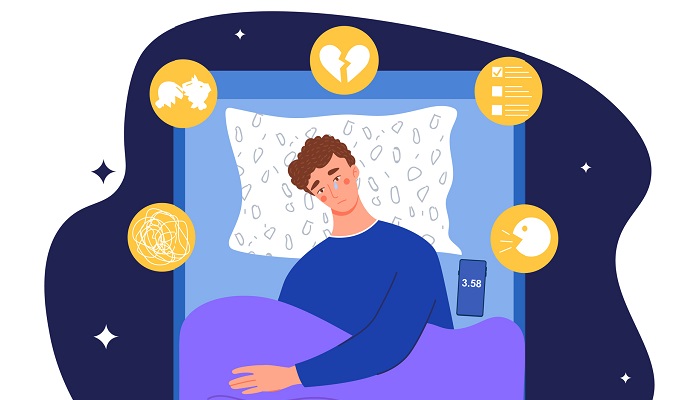
The connection between sleep and emotional health isn’t a one-way street. Disrupted sleep can ignite or worsen mental health struggles, but battling anxiety or depression often makes falling and staying asleep feel impossible. For example, individuals with depression might face insomnia or early awakenings, while anxiety can jam the brain with racing thoughts, sabotaging rest.
This interplay often spirals, where poor sleep amplifies emotional instability and vice versa. Research into SleepDisorders Solutions emphasizes a twin-pronged approach—simultaneously improving sleep hygiene and addressing mental health challenges. Luckily, practical steps and therapies exist to untangle this frustrating cycle.
Impact of Sleep Deprivation on Mood and Cognitive Health
The mental fog and emotional rollercoaster from a night without quality sleep are no joke. Sleep deprivation short-circuits the prefrontal cortex—the brain’s CEO in charge of decision-making and emotional control—while cranking up the amygdala’s volume that processes fear and stress signals. This makes managing frustrations and anxieties tougher and intensifies emotional reactivity.
Without adequate sleep, mood swings, irritability, and heightened sensitivity to stress flare up. You might struggle to concentrate, recall details, or solve problems, leading to a feedback of frustration and mental strain. Not to mention, the body’s stress hormones like cortisol spike, locking you in a state of chronic alertness detrimental to emotional calm.
Fatigue also dulls social senses, making reading cues or responding empathetically a challenge, piling on feelings of isolation. In 2025, using tools focused on MindRelaxation Research and routine adjustments help many regain control over this cascade.
Leveraging Quality Sleep for Emotional Resilience
Getting real about sleep hygiene can work wonders for your mood and mental strength. Consistent bedtimes stabilize your internal clock, making SleepBalance easier to achieve. Creating a restful space—cool, dark, and quiet—prepares your brain for the restorative stages of slumber.
Simple habits like dimming screens an hour before bed to shield melatonin production, or calming down with gentle stretches or meditation, support MindRest and SereneSlumber vibes. Watching what you eat and drink close to bedtime—avoiding caffeine and heavy meals—is a game-changer for many. Plus, regular exercise and stress management techniques lower overall tension and promote CalmNights.
These strategies connect to broader frameworks seen in approaches from nightly routines that nurture better sleep to comprehensive plans addressing both mental health and sleep. They build a foundation that helps the brain process emotions effectively overnight.
When Sleep Science Meets Therapy: Innovating Mental Health Care
Not all sleep issues are solved by lifestyle tweaks alone. Persistent problems might signal underlying disorders like sleep apnea or restless legs, conditions that devastate REM sleep cycles and emotional recalibration. This is where therapeutic interventions become essential.
Cognitive Behavioral Therapy for Insomnia (CBTi) is one of the frontline treatments proven to help break the vicious sleep-mental health feedback loop. However, objective sleep quality improvements might lag subjective experiences, prompting researchers and clinicians to explore targeted neurochemical and neuronal interventions.
The future points towards customizable treatments that address the dynamic nature of brain chemistry during sleep. We need approaches that allow the noradrenergic system and other neurochemical players to “switch off” and “switch on” at the right sleep phases—making good sleepers out of those caught in RestfulMind struggles.
Exploring advanced sleep disorder treatments and investigating new pharmacological or behavioral innovations promise to reshape emotional well-being support profoundly.