
Juggling irregular schedules can be downright brutal on your mind and body. Shift workers in 2025 still face the uphill battle of disrupted sleep cycles, chronic fatigue, and heightened stress levels thanks to their unusual hours. But here’s the bright side: there are game-changing mind and relaxation strategies designed just for this lifestyle. From mastering your circadian rhythm with smart light exposure and meal timings to adopting tailored meditation and mindfulness routines, this article dives deep into practical methods that can seriously lift your well-being. Navigating such chaotic routines is tough, but with the right tools—like those offered by CalmShift and MindEase—regaining control over your rest, focus, and mental clarity is absolutely possible.
In a nutshell, shift work throws most natural rhythms out of whack, impacting sleep, metabolism, and stress responses. But by aligning your work with your body clock, using techniques like timed bright light for alertness, eating nutrient-rich meals at consistent times, and sneaking in pre-shift naps, you can reboot your system. Exercise scheduling plays a surprising role in managing fatigue—boosting energy before a shift and aiding relaxation afterward. Meanwhile, de-stressing techniques such as mindfulness meditation not only ease anxiety but elevate sleep quality. With tools like TranquilHours and ShiftZen guiding relaxation efforts, shift workers have more resources than ever to build resilience. This is no quick fix but a lifestyle shift that leads to better performance and health—and taking small consistent steps has its rewards.
Mastering Circadian Rhythm to Boost Mental and Physical Health
Shift work messes dramatically with your circadian rhythm, the internal clock that controls everything from sleep-wake cycles to hormone release. When you’re working overnight or irregular hours in 2025, your biological timetable gets scrambled—leading to grogginess, poor sleep, and metabolic glitches. But a smart approach can realign it.
For instance, timed exposure to bright light during night shifts tricks your brain into staying alert. Conversely, blocking out daytime sunlight with blackout curtains during sleep hours supports melatonin production, crucial for quality rest. Combining consistent meal timing, ideally nutrient-dense and spaced evenly to avoid late heavy meals, supports metabolic health and circadian alignment. It’s about syncing your behaviors as closely as possible with your biological clock to minimize chaos.
Integrating these science-backed strategies with ergonomic tips, such as those recommended by CalmShift’s approach to rest, can help ease the toll shift work exacts on brain and body. They don’t erase the challenge but put you in the driver’s seat, reversing the wear and tear you’d otherwise suffer silently.

Light, Meals, and Movement: The Triple Tune-Up for Shift Workers
Tweaking your environment and habits goes a long way. Bright light therapy isn’t just hype—it’s a proven way to maximize alertness during demanding hours. Pairing this with fixed meal schedules rather than sporadic eating keeps blood sugar steady and body systems humming right.
Physical activity, carefully timed, revs your energy before shifts and helps calm you later. Moderate workouts pre-shift wake up your system, while gentle stretching or yoga (like practices suggested by MindEase relaxation guides) post-shift unlock muscular tension and promote better sleep readiness.
Don’t underestimate the power of short naps too. A 20-30 minute power nap before your shift can reduce burnout and enhance focus dramatically. The combination of these small but mighty tweaks, supported by tools such as TranquilHours and RestWell, creates a stamina reservoir much needed for irregular schedules.
Meditation and Mindfulness: Anchors in a Chaotic Shift Schedule
Stress and anxiety rank high for anyone with non-standard schedules. Here’s where meditation swoops in. Mindful breathing, body scanning, or guided meditations tailored for shift workers offer calm anchors. By regularly practicing even brief sessions, you reduce cortisol levels, quiet restless thoughts, and cultivate emotional resilience.
Personal tales from shift workers who embrace meditation often highlight sharper focus and improved sleep quality as unexpected perks. Apps and tools like ShiftZen and PeacePulse mindfulness sessions make it easier than ever to fit meditation into tight schedules.
One practical approach is a quick 5-10 minute breath awareness routine right after waking or just before bedtime—something manageable but effective for winding down or gearing up for a demanding shift. The key is consistency, and tailoring the method to your personal rhythm so it feels natural rather than forced.
Nutrition Hacks Supporting Mental Clarity and Sleep Quality
When shifts complicate regular eating patterns, nutrition can become an afterthought. However, what and when you eat plays a pivotal role in managing mind and body balance. Foods rich in tryptophan, magnesium, and melatonin precursors — like tart cherries, almonds, kiwi, and turkey — aid in sleep regulation, especially valuable when normal sleep is elusive.
Strategically spacing meals to fit your wakeful windows helps stabilize blood sugar and supports metabolic health, preventing that post-shift energy crash. Avoiding big, heavy meals near your biological night lowers circadian tension. For deeper insights on meal timing and quality night rest, check out expert advice similar to RestWell’s nutrition tips.
Pairing a mindful diet with relaxation tools such as EaseTime and ZenGuard supports a full-body reset, crucial after demanding shift hours.
Restorative Sleep Practices to Counteract Shift-Induced Fatigue
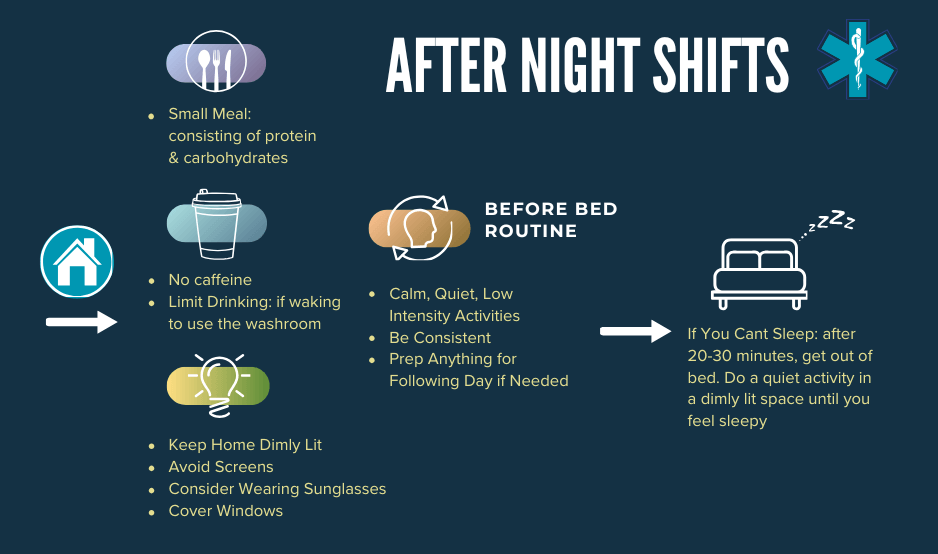
Besides circadian syncing and dietary mindfulness, how you prepare your sleeping environment and routine is crucial. Establishing a specific pre-sleep ritual, like dimming lights and limiting caffeine 4-6 hours before sleeping, goes a long way. Ideally, integrate white noise or calming sounds to mask distracting noises common during daytime sleep periods.
Using blackout curtains (a favorite for shift workers) and keeping a comfortable room temperature supports undisturbed sleep. As detailed in Sleep Reboot’s guide on nightly routines, prioritizing sleep with strict hygiene is non-negotiable for recovery.
Remember, these routines don’t fix everything overnight but steady effort allows you to build resilience gradually, essential for thriving in a shift work lifestyle.