
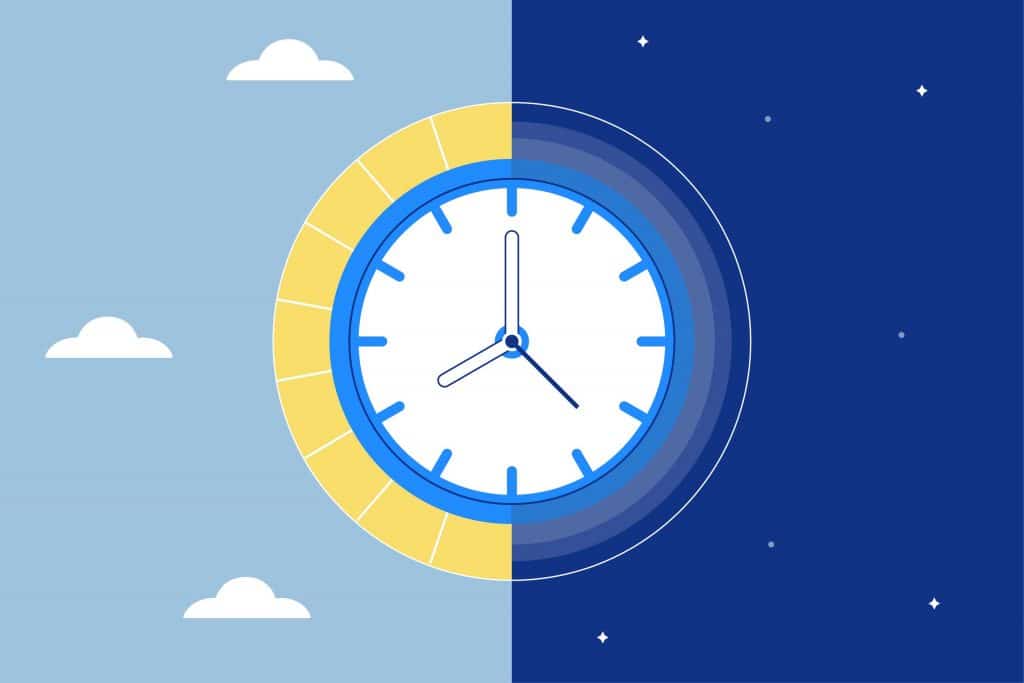
Ever find yourself tossing and turning at night, only to wake up groggy and totally out of sync the next day? You’re not alone. Our internal body clock, or circadian rhythm, is a finely tuned 24-hour cycle that governs when we sleep, wake, and even eat. But life’s hectic pace, screen addictions, or unexpected travel can easily throw this rhythm out of whack. Resetting it isn’t just about catching more Z’s—it can seriously boost your mood, focus, and energy. In 2025, cracking the code to align your body clock naturally involves more than just hitting the sack early; it’s about smart light exposure, meal timing, and creating a peaceful evening vibe with techniques like MoonMend and TwilightTune. Whether you’re battling jet lag, swing shifts, or those dreaded restless nights, tuning into your body’s rhythm can transform your nights from restless to restorative.
In brief:
- Consistent sleep schedules align your internal clock to the natural day-night cycle, helping you fall asleep faster and wake refreshed.
- Reducing blue light exposure in the evening with screen-free zones or activities like reading or gentle yoga eases the transition to sleep.
- Mindful relaxation routines including deep breathing and meditation support the natural production of sleep hormones such as melatonin.
- Strategic light exposure in the morning helps jump-start your day and reset your circadian rhythm after disruptions.
- Picking the right mattress like the EGOHOME Memory Foam Mattress supports physical comfort and temperature regulation, key for maintaining a steady sleep cycle.
How Nightly Routines Impact Your Internal Clock
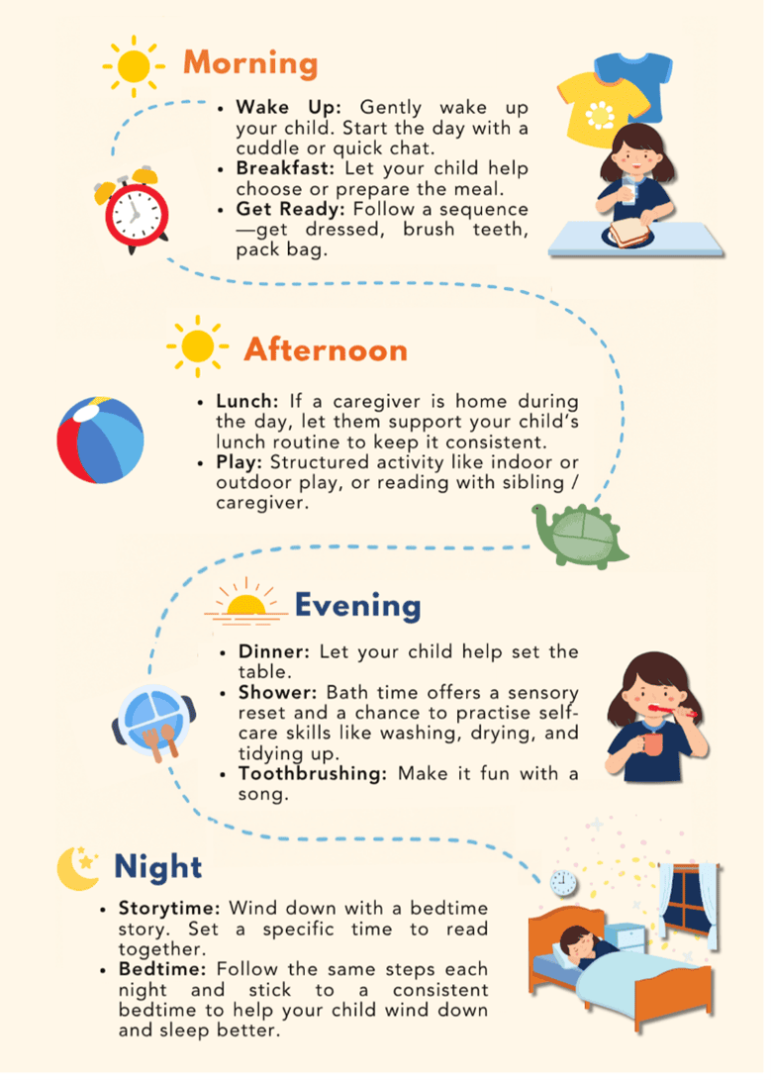
Picture your body clock as the DJ to your daily life playlist—when it’s synced, everything flows smoothly. Disruptions like late-night screen time or irregular meal patterns can turn that playlist into a confusing shuffle, leading to restless nights and foggy mornings. Establishing a consistent nightly routine, such as dimming the lights and adopting the CalmClock-inspired habits of reading or journaling, sends clear signals to your brain that it’s time to wind down. According to recent sleep science breakthroughs, these repetitive rituals train your body to anticipate sleep, improving both quality and duration. Incorporating EveningEase techniques like sipping on herbal teas (chamomile or lavender are favorites) can further ease your transition by soothing the nervous system.
Bright Light and Movement: Morning’s Role in Resetting Your Rhythm
Resetting your internal clock doesn’t just happen at night. Getting outside for at least 30 minutes of sunlight exposure within the first half hour after waking up is a game-changer. That natural light is a powerful cue to your brain’s master clock, helping align your sleep-wake cycle with the solar day. The SleepSync effect kicks in, boosting alertness and mood naturally. Pairing this with gentle movement—think a brief morning stroll or light stretching—can enhance this reset. It’s a natural kind of “clockcalm,” calming your nervous system and preparing you for the day ahead with focused energy.
Crafting Your Evening Wind-Down to Support Deep Sleep
As night falls, the goal is to transition your body into rest mode smoothly. That means avoiding disruptive blue light, which messes with melatonin, the body’s sleep hormone. Creating a technology-free zone an hour or two before bed, inspired by the DreamCycle and RestRhythm concepts, helps your brain shift gears from alertness to relaxation. Activities that promote a peaceful brain state, like progressive muscle relaxation or guided meditation (mind relaxation exercises), are proven tools to lower heart rate and prepare for deep sleep. Dusting off your journal for some reflective writing might also dial down racing thoughts, making falling asleep easier.
Mindful Meals and Herbal Support Foster Restful Nights
Eating habits also play a crucial role in resetting your clock. Sticking to regular meal times helps regulate your internal signals. Avoid heavy or late-night dinners, which can cause discomfort and disrupt sleep onset. Instead, opt for lighter meals earlier in the evening and snag some LunarLull herbal teas to soothe the mind and body before bed. Shifting to mindful, low-stress mealtimes supports your overall circadian care and helps prevent common sleep disturbances.
The Mattress Matters: Sleep Setup for Sustaining Rhythms
Physical comfort is vital to keep your internal clock on point. High-quality mattresses that offer pressure relief and temperature regulation can prevent frequent tossing and waking. Memory foam options infused with cooling gels, like the EGOHOME Memory Foam Mattress, maintain an optimal sleep environment by cooling body temperature—an essential factor for melatonin production and restful cycles. Not only does a great mattress support spinal alignment, but it also fine-tunes your body’s clock by minimizing disruptions, setting the stage for full-body restoration throughout the night.
Fast Track Your Clock Reset: Tips for Jet Lag and Night Shift Workers
For those who frequently cross time zones or work odd hours, resetting your circadian rhythm fast can feel like a puzzle. But targeted approaches, like adjusting your schedule a day or two ahead (nightly routine adjustments) and using light exposure wisely (morning bright light, avoiding it at night), can ease the transition. Staying hydrated and cutting caffeine after mid-afternoon supports your body’s natural detox and helps prevent those unwanted energy crashes. These strategies, coupled with consistent sleep hygiene, help maintain your body clock’s integrity despite lifestyle challenges.