
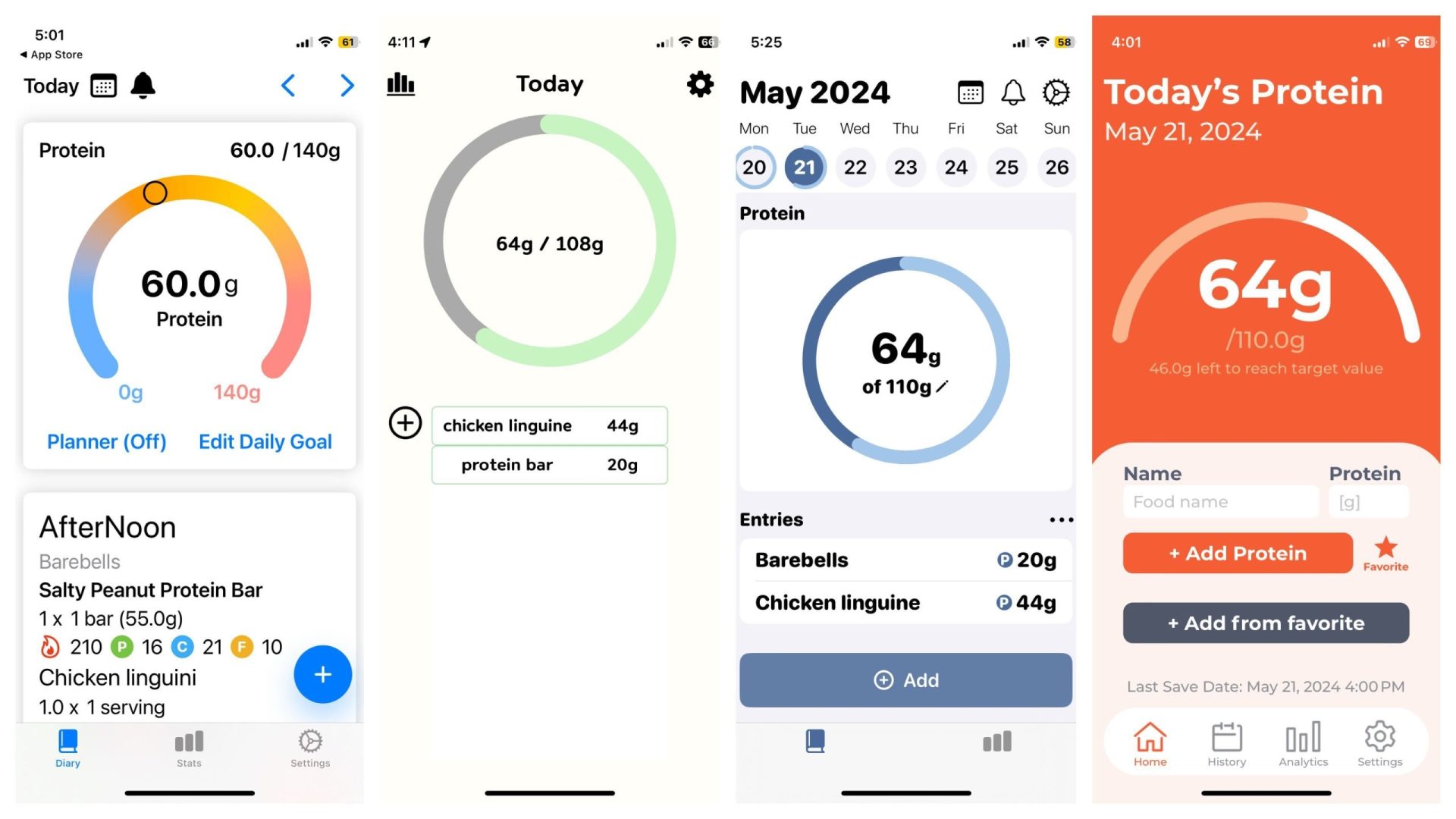
Calorie Calculator: The Ultimate Guide to Tracking Your Daily Intake Accurately
Calculate your calorie needs based on Mifflin-St Jeor,
adjust for activity level and goals
Tracking your daily intake has never been more essential, especially with rising health awareness in 2025. Using a calorie calculator not only helps you accurately estimate your energy consumption but also empowers you to tailor your diet management efficiently. Whether you want to shed pounds, build muscle, or maintain your weight, understanding your unique calorie needs is the game changer. The science-backed Mifflin-St Jeor equation forms the foundation of many reliable calculators by estimating your Basal Metabolic Rate (BMR), the calories your body burns at rest.
From there, factoring in your activity level—from sedentary to super active—gives you a clearer picture of your Total Daily Energy Expenditure (TDEE). Adjust this number based on your goals to create a custom nutrition guide that aligns with your lifestyle. Tools like running calorie calculators or walking calorie calculators can refine your calorie tracking further, ensuring you account for every movement. All this combines to help you optimize meal planning and make informed food choices that resonate with your goals.
How to Use a Calorie Calculator to Track Daily Intake Effectively
To kick off your accurate calorie tracking, start with the precise measurement of your age, weight, height, and gender. This detailed snapshot lets the Mifflin-St Jeor equation compute your exact BMR. For instance, a 30-year-old woman weighing 140 pounds and standing 5’6″ will receive different base calorie needs than a 45-year-old man with different stats.
Next, consider your level of physical activity. By multiplying your BMR with an activity factor—from 1.2 (sedentary) up to 1.9 (very active)—you calculate the TDEE, a realistic estimate of calories burned in a day. This step bridges your energy consumption with your lifestyle habits, whether you’re desk-bound or a trail runner engaging in high-octane workouts, as specified in tools like the trail running energy calculator.
Finally, you adjust the calories based on your target—be it weight loss, muscle gain, or maintenance. For example, subtracting 500 calories daily can help shed roughly a pound a week. To make this manageable, your meal planning should balance macronutrients—protein, carbs, and fats—which our calculator also suggests in optimal ratios tailored to your activity and goals.
Why Macronutrient Breakdown Makes a Difference in Your Diet Management
Simply counting calories is just the beginning. The body thrives when fed the right balance of macronutrients, influencing how well you reach your goals. For weight loss, higher protein can aid satiety and muscle preservation. For muscle building, increased carbs fuel intense workouts, and healthy fats support hormone production.
Each macro’s role ties into your daily energy needs. Our calorie calculator helps divide calories into protein, carbohydrates, and fats percentages personalized for you, which is essential for effective health monitoring and sustainable progress. Tools like the glycemic load calculator can also assist in managing how your food choices affect blood sugar, fine-tuning your nutrition further.
Essential Metrics Beyond Calories for Complete Body Insights
While calories are king, understanding your body holistically offers additional insights. For example, BMI analysis provides context to your weight relative to your height, helping identify healthy weight ranges. However, BMI has its limits, so combining it with other factors like muscle mass and fat distribution is crucial.
Our calorie calculator also estimates your ideal weight based on multiple scientific formulas, giving you a realistic range rather than a fixed number. This holistic view informs smarter diet management and supports long-term well-being.
To optimize your calorie tracking, consider integrating sleep quality too; poor sleep affects hormones that regulate hunger and metabolism. For guidance, the sleep calculator guide helps balance rest patterns for better energy use.
Real-World Success Stories of Accurate Daily Calorie Tracking
Take Sarah, for instance. She struggled with fluctuating weight despite multiple diets. Once she started using a calorie calculator that factored in her activity (she even used the elliptical calorie calculator after her rehab sessions), she saw immediate progress. By tracking food calories consistently and adjusting her macronutrients, Sarah achieved sustainable weight loss without feeling deprived.
This example illustrates how tracking with precision and adapting based on personal data can turn dieting frustrations into real achievements.