
Glycemic Load Calculator
Wondering why some carbs leave you wired for a sugar crash while others keep you steady and satisfied? The secret lies beyond simple carb counting—welcome to the world of glycemic load. Unlike the glycemic index alone, which merely scores foods by how fast they spike your blood sugar, glycemic load blends that speed with how much carbohydrate you actually consume. This dynamic duo gives you a clearer picture of how your favorite foods genuinely affect your blood glucose control and overall metabolic health. In 2025, with new advances in nutrition calculators, understanding the glycemic load of your meals helps you fine-tune your diet for sustained energy, effective diabetes management, and smarter meal planning. Let’s dive into why glycemic load is a game-changer and how you can harness it for healthier, happier eating habits.
In a nutshell:
Glycemic load offers a practical measure combining the speed (glycemic index) and amount of carbs eaten, painting a real-world picture of food’s impact on blood sugar. Unlike carb counting alone, it accounts for serving size and quality. By mastering your glycemic load, you’re better equipped to manage blood sugar swings, aid weight control, and reduce the risk of chronic illnesses like diabetes. Plus, modern calculators enable quick, precise tracking of meal glycemic loads to help balance your daily intake. From swapping high-load foods like white bread to low-load options like steel-cut oats, small changes guided by glycemic load can lead to big benefits for energy and metabolic wellness.
Why Glycemic Load Trumps Glycemic Index for Everyday Blood Sugar Insights
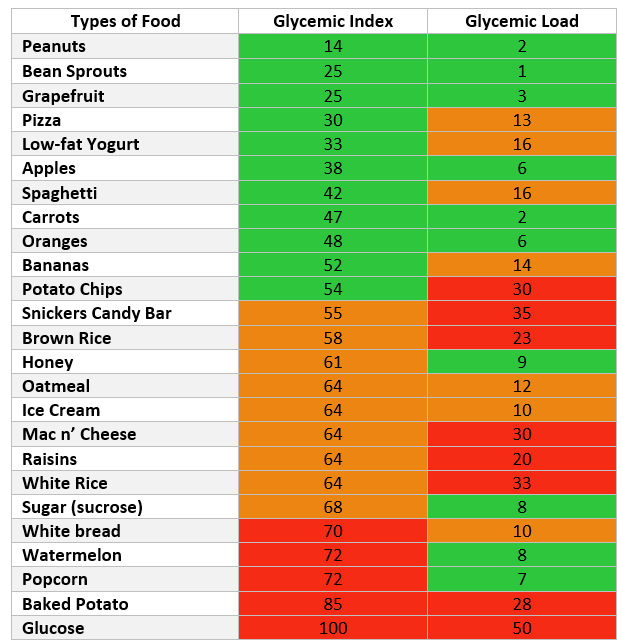
Most people know the glycemic index (GI) as a way to rank carbs by how fast they raise blood sugar. But the GI falls short because it assumes you eat a fixed 50 grams of carbs per food — which is rarely true in daily life. For example, watermelon’s GI is a whopping 80, suggesting it’s a blood sugar bomb, right? Here’s the catch: a typical watermelon serving has just 6 grams of carbs, so its actual glycemic load is only around 5, a low impact score. This difference highlights why glycemic load is a smarter metric, combining GI with actual carbohydrate content and portion size—giving you personalized, realistic blood glucose control insights.
This means you can enjoy a variety of foods with an informed sense of their true impact, rather than ditching entire categories based on lab-imposed carb amounts. Think of glycemic load as the marriage between quality and quantity of carbohydrates, helping you dodge spikes without sacrificing flavor or variety.

How to Crunch the Numbers: Using the Glycemic Load Calculator Like a Pro
Here’s the simple formula behind glycemic load:
GL = (Glycemic index × Carbohydrate content per serving) ÷ 100
Our advanced glycemic load calculator lets you enter the GI of foods (backed by a trusted database of 2,000+ items), the carbs in your real serving size, and then it tweaks calculations to your actual portions. This means whether you’re munching two slices of whole grain bread or half a cup of quinoa, you get an accurate read on how your meal nudges your blood sugar.
The results fall into three categories: Low GL (0-10) means minimal blood sugar impact, Medium GL (11-19) signals moderate response, and High GL (20+) warns of significant blood sugar elevation. By doing this with every meal, you can plot a steady course for balanced energy and optimized metabolic health.
Science-Backed Perks of Embracing Low Glycemic Load Foods for Health and Weight
Choosing low GL foods does more than stabilize your blood sugar—it actively supports diabetes management and long-term metabolic wellness. Research shows that sticking to a low glycemic load diet can decrease insulin demands, reduce calorie intake naturally, and help ward off the onset of type 2 diabetes. Plus, it promotes satiety, preventing random cravings that often lead you astray.
Another huge benefit is sustainable weight management. Unlike fad diets focused solely on calorie counting, paying attention to glycemic load helps minimize insulin spikes notorious for triggering fat storage. Plus, it generally encourages consumption of foods rich in dietary fiber, lean protein, and healthy fats—key ingredients for satiety and heart health.
Beyond weight and glucose, low GL meals contribute to lower inflammation, better healthy eating habits, and even cognitive benefits over time. For anyone aiming to get smarter about carbs, glycemic load opens the door to powerful, balanced nutrition.
Practical Meal Swaps Backed by Glycemic Load Calculations
Sometimes, simple swaps make a world of difference. Say goodbye to high GL staples like cornflakes at breakfast (GL: 21) and switch to steel-cut oats (GL: 9) for a smoother blood sugar ride. Lunch? Skip the white bread sandwich (GL: 18) and opt for a whole grain wrap (GL: 8) to cut your glycemic load almost in half. Dinner fans can ditch instant mashed potatoes (GL: 17) for quinoa (GL: 13), scoring extra protein plus lower overall blood glucose impact. These choices are powered by real data, ensuring each bite works in your favor.
How Advanced Glycemic Load Calculators Elevate Your Meal Planning Game
Today’s smart nutrition calculators don’t just analyze single foods—they integrate entire meals, roll up glycemic loads across dishes, and help optimize your daily carb quality and quantity. This means your meal planning can incorporate diverse carb sources without surprises. Beyond static numbers, features like portion scaling make adjusting servings for family or prepping ahead a breeze. Plus, tracking your daily GL trends lets you see progress over time and refine dietary strategies to keep blood sugar steady and cravings at bay.
Glycemic Load Versus Other Tools: Why It’s the Real MVP of Carb Metrics
Traditional carbohydrate counting lumps all carbs together, but glycemic load appreciates their complexity. It distinguishes between 30 grams of carbs from beans—which slowly fuel your day—and 30 grams from white bread, which triggers quick sugar spikes. Unlike the glycemic index alone, GL accounts for how much you actually eat, making it more practical. And unlike simple calorie counts, GL sheds light on how foods influence hunger, energy, and metabolism, which are crucial to long-term wellness.
Guidelines Tailored for Your Health Goals Using Glycemic Load
If you’re managing diabetes, aim to keep your total daily glycemic load under 100, prioritizing meals below 20 to maintain steady blood sugar. For weight loss, focusing on meals with GL under 15 while maintaining protein and fat balance supports fat loss without sacrificing muscle. Athletes can strategically consume moderate GL foods around workouts for quick bursts of energy, then return to low GL meals for sustainable recovery and endurance.