
Walking Calories Burned Calculator
When it comes to being active and keeping tabs on your health, walking stands out as one of the simplest yet most effective exercises. Whether you’re trying to stay fit, manage weight, or just enjoy a leisurely stroll, knowing how many calories you burn during walking is a game-changer. That’s where a walking calories burned calculator comes into play, helping you precisely track your energy expenditure and make smarter fitness decisions. In today’s world, where wellness takes center stage, being able to measure the impact of your daily walks not only motivates but also steers you toward smarter goals and healthier habits.
Walking may seem low-key compared to high-intensity workouts, but its contribution to burning calories and boosting metabolism is significant. Plus, it’s adaptable for everyone regardless of fitness level, making it a perfect staple for lifelong health. Advanced tools now estimate calorie burn by analyzing your pace, distance, and personal factors like weight and walking style, giving you a tailored snapshot of your calorie output. With these insights, you can balance your nutrition and activity more effectively, pushing your progress even further.
How a Walking Calories Burned Calculator Helps You Track Your Fitness Journey
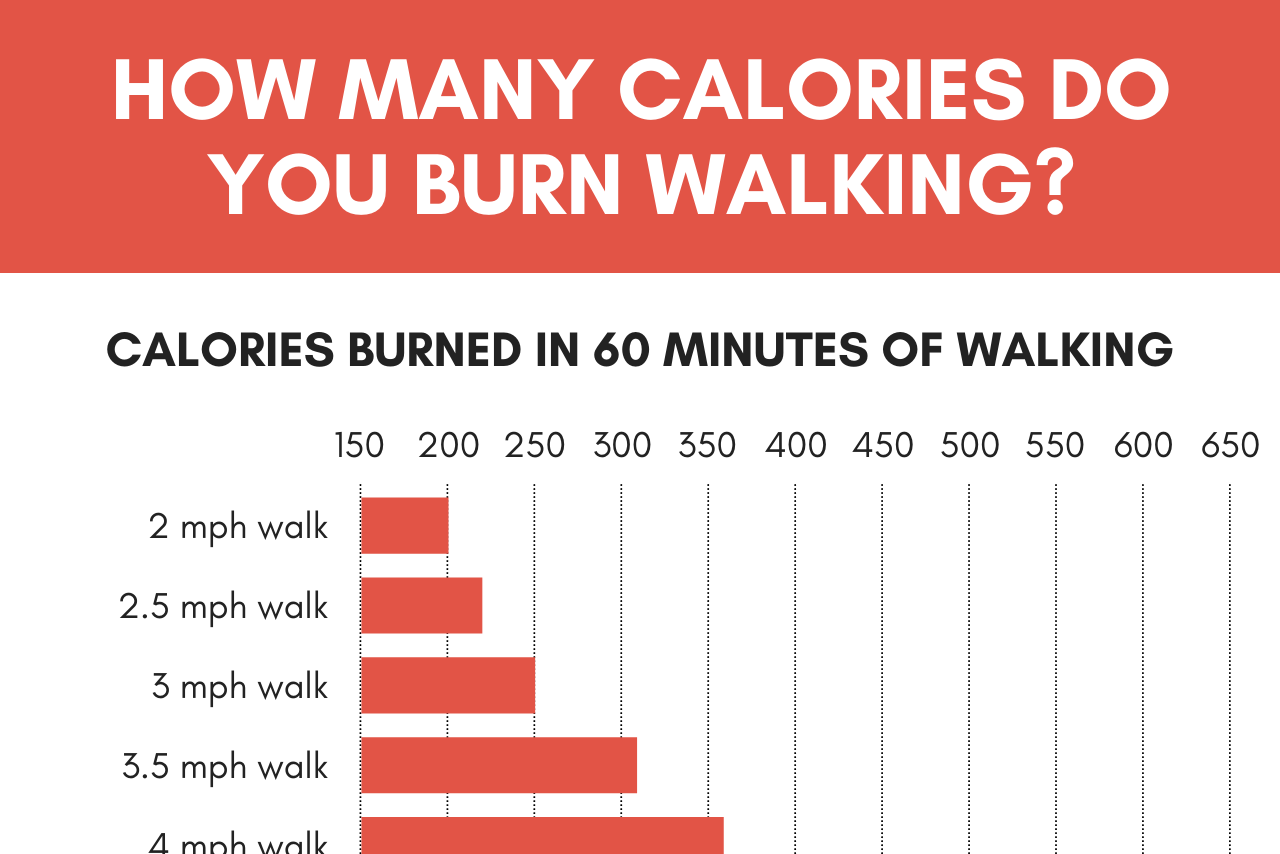
Knowing the exact calories you burn while walking can totally change how you approach your fitness routine. Instead of guessing, this calculator relies on scientifically backed MET values (Metabolic Equivalent of Task) which quantify the intensity of walking activities. For instance, a slow walk clocks in around 2.5 METs, while brisk walking might hit 4.3 METs or higher—meaning the faster you go, the more energy you’re burning.
This method factors in your body weight and duration of the walk using the formula: Calories = MET × weight(kg) × duration(hours). So a 70 kg person walking briskly for 30 minutes can get an accurate estimate to understand how this activity fits into their daily calorie budget. This level of precision is perfect for tailoring your fitness plan whether your aim is weight maintenance or fat loss.
Boosting Weight Loss and Health with Precise Calorie Tracking
When you have detailed feedback on calories burned, your approach to weight loss becomes strategic rather than guesswork. Imagine Maria, who wants to shed a few kilos. By plugging in her weight, walk duration, and pace into this calculator, she discovers which walking sessions burn the most calories effectively. This helps her plan walks that fit into her busy schedule while maximizing fat loss potential.
Moreover, this tool is handy beyond just weight loss. It supports overall health by encouraging consistent activity tailored to your energy use, making sure you’re not only moving more but moving smart. It also helps with balancing your diet and exercise by identifying how much energy you expend through walking compared to other activities, including running or elliptical workouts like those explained in elliptical calories calculator.
Understanding Exercise Intensity and Its Impact on Calories Burned
A major factor that shifts your calorie burn rate during walking is the intensity of your activity, classified into light, moderate, vigorous, and very vigorous levels. Light intensity activities, such as slow-paced walking, typically register around 1.5 to 3.0 METs and burn fewer calories. On the other hand, faster-paced walks or those with inclines fall under moderate to vigorous intensity, burning significantly more.
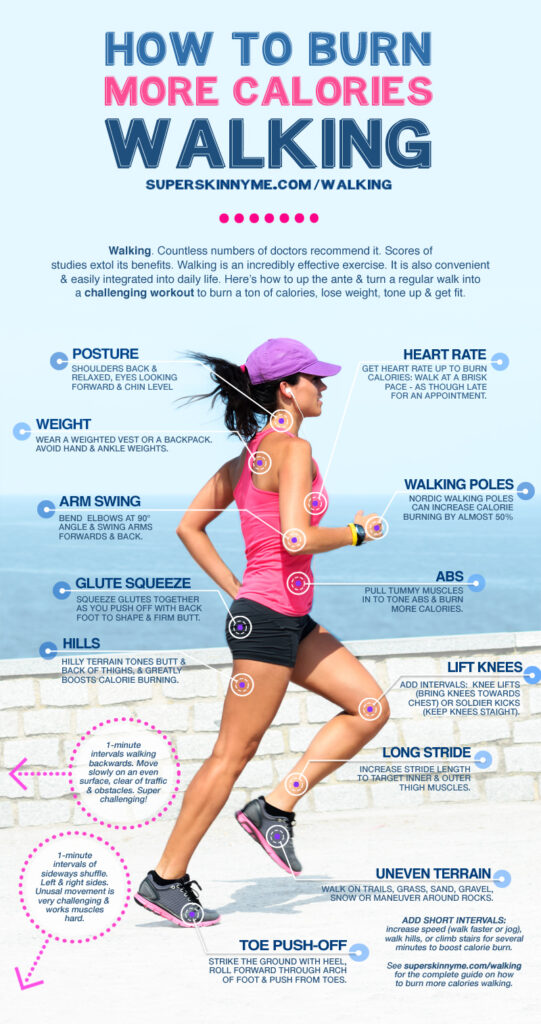
These intensity levels aren’t just numbers; they reflect how your body consumes oxygen and expends energy. For example, adding hill walking or carrying a backpack can bump your energy use up, making your calorie tracking even more accurate. Recognizing this helps walkers adjust their routines for greater fitness gains while keeping an eye on their calorie budget.
Why Your Weight and Muscle Mass Matter in Calorie Calculation
Your personal body composition plays a crucial role in determining your energy burn when walking. A heavier person naturally burns more calories moving the extra weight, so the calculator adjusts for that. Muscle mass is also key since more muscle increases your resting metabolism and the calories you burn during exercise, even at lower intensities.
Fitness buffs who combine walking with resistance training often find their overall energy expenditure increases, pushing their weight loss and health goals forward faster. Understanding these factors adds layers of insight into how walking contributes to your daily activity and long-term fitness.
How to Get the Most From Your Walking Calorie Tracker Tool
Getting accurate results with a walking calories burned calculator is straightforward. First, accurately enter your weight and select the walking activity type that best matches your pace and style. Then, add the time spent walking to get a total calorie burn estimate. This instant feedback can be used to adapt daily goals, improve workout plans, or simply stay motivated by seeing tangible results.
Such tools also integrate easily into broader fitness monitoring strategies. For people combining walking with running or other exercises, it complements calculators like the running calories calculator to cover all your energy expenditure in one place for optimal fitness tracking. Integrating this information helps guide nutrition tweaks and progression in your training intensity with confidence.
Walking remains a cornerstone for enhancing health and fitness, and modern calorie calculators turn it from a casual activity into a powerful, data-driven tool. Not only does this advance intelligent planning and weight management, but it also fuels motivation by showing clear impacts of your efforts. As you keep walking, track your walking distance, pace, and calorie burn regularly to unlock your body’s full potential in the healthiest way possible.
For more detailed insights into calorie burning through various exercises beyond walking, check the comprehensive guide on calorie calculators that dive into how exercise intensity and activity types shape your energy use.