

Running Calories Burned Calculator
Calculate calories burned during exercise using MET values based on activity type, duration, intensity, and body weight for accurate fitness tracking.
Tracking your energy expenditure during workouts is a game-changer in fitness, whether you’re focused on weight loss, performance, or simply staying healthy. The running calories burned calculator is a powerful tool that estimates how much energy you are expending during your runs and other exercises. It works by applying MET (Metabolic Equivalent of Task) values that correspond to each activity’s intensity, duration, and your body weight, transforming abstract numbers into actionable insights for your fitness journey. This comprehensive guide dives into how this tool helps you fine-tune your training, optimize workout energy expenditure, and improve calorie tracking precision without complicated gadgets or guesswork.
Understanding how many calories you burn during physical activities like running or cycling empowers you to tailor your nutrition and workouts effectively. This means you can strike the perfect balance between energy intake and output to reach your goals faster. Plus, by monitoring your running workout metrics, you get insights that help boost motivation — nothing like seeing your progress in numbers to keep you moving forward!
- Accurate estimations: Incorporates your weight, duration, and activity-specific MET values.
- Versatility: Works not just for running but a broad variety of exercises.
- Easy tracking: Helps manage daily energy burn effortlessly, supporting smart fitness planning.
- Supports goal setting: Clear data on energy burn leads to better workout design.
How Does the Running Calories Burned Calculator Work for Workout Energy Expenditure?
This tool calculates calories by combining your body weight, the activity’s intensity reflected by its MET value, and the duration of exercise using the formula:
Calories Burned = MET × weight (kg) × duration (hours)
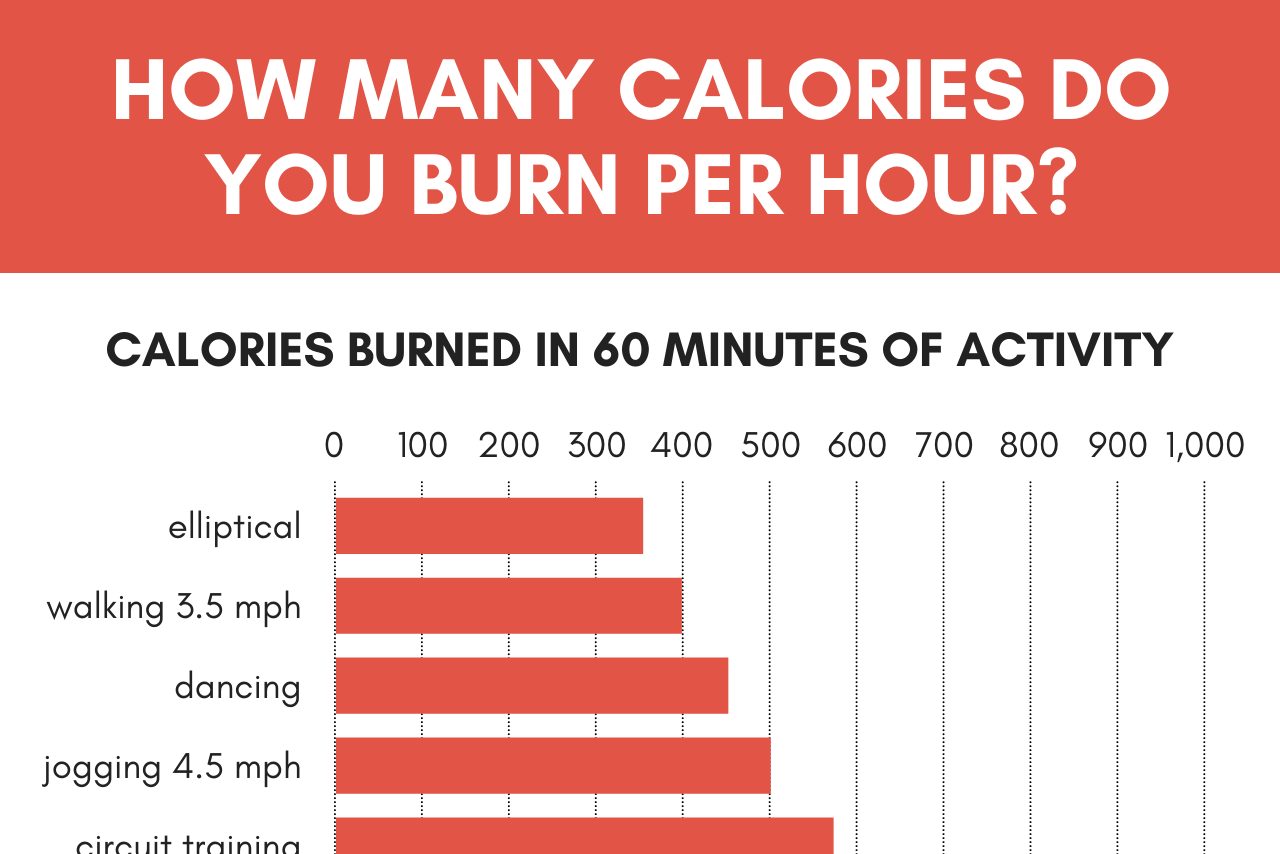
For example, running at a moderate pace of 6 mph has a MET value around 10, meaning a 70 kg runner expends roughly 700 calories per hour at this intensity. The calculator adjusts this estimate based on your own weight and time spent running, offering a tailored energy burn estimate that’s much more meaningful than generic guesses.
Activities vary widely: walking at 2 mph might be 2.5 METs, while high-intensity intervals could hit above 12 METs. Knowing these nuances lets you compare different workouts or adjust your runs for maximum efficiency. For instance, trying a trail running energy calculator can offer even more precise insights for off-road conditions.
Why Tracking Your Running Metrics Matters
Tracking your running metrics using this calculator helps you understand the actual energy you burn beyond just distance or pace. Since calorie burn depends on body weight and intensity, two runners covering the same distance can have significantly different energy expenditures. This personalized data helps you make smarter decisions about food intake and exercise planning.
Plus, it supports long-term fitness growth by showing improvements in efficiency and endurance. When your energy burn spikes for the same effort, that means your metabolic fitness is improving. Check out detailed insights and guides like the calorie calculator guide to expand your knowledge.
Exercise Intensity and Its Impact on Energy Burn
Not all calories burned are equal. Exercise intensity plays a starring role in how quickly your body torches energy. Here’s a breakdown:
- Light Intensity (1.5–3 METs): Activities like slow walking or stretching, burning 100–200 calories per hour.
- Moderate Intensity (3–6 METs): Brisk walking, light cycling, moderate swimming, burning 200–400 calories per hour.
- Vigorous Intensity (6–9 METs): Running, fast cycling, competitive sports, burning 400–600 calories per hour.
- Very Vigorous Intensity (9+ METs): Sprinting, HIIT workouts, maximal effort activities, burning 600+ calories per hour.
By knowing where your sessions sit on this scale and combining that with your weight and duration, you get precise energy burn estimates. This approach is way more reliable than tracking steps alone or just estimating calories burned.
Optimizing Your Workout with Calorie Tracking
Holding tight to your fitness goals means managing both energy input and output. With accurate calories burned data, you can decide whether to eat back some or all of those calories depending on your aims — whether weight loss, muscle gain, or maintenance. For tailored meal planning, understanding your basal metabolic needs also complements your exercise tracking. You can learn more about balancing these factors in the basal metabolic rate guide.
For instance, plan your next meal timing around your expected energy burn to optimize recovery and performance. This strategic approach leads to smarter nutrition, improved endurance, and sustained progress. Plus, consistent exercise tracking means you can spot plateaus or improvements quickly.
Factors Influencing the Running Calories Burned Calculation
Several variables tweak the calorie burn estimates, including:
- Body weight: Heavier individuals expend more energy moving the same distance.
- Muscle mass: More muscle means higher resting calorie burn and more efficient workouts.
- Exercise intensity: Faster pace and increased effort skyrocket energy expenditure.
- Environmental conditions: Running outdoors in heat, cold, or on uneven terrain nudges energy costs up.
Since these factors vary greatly between individuals, think of the calculator’s output as a solid estimate to help with your exercise tracking rather than an exact science. Tools like the walking calories calculator can complement your running calculations for a well-rounded fitness view.
Maximizing Your Fitness Journey with Technology
Leveraging a fitness calculator brings clarity and control to your training. It helps break down the complex interplay of effort, time, and biology into simple numbers you can use. This transparency encourages smarter workout choices, whether you’re prepping for a 5K or targeting fat loss with HIIT sessions.
Combining the calorie data with heart rate monitoring, GPS tracking, and nutrition logging builds a total picture of your health landscape. You wind up with a personalized fitness guide that adjusts to your progress and lifestyle. Ready to start tracking smarter today?