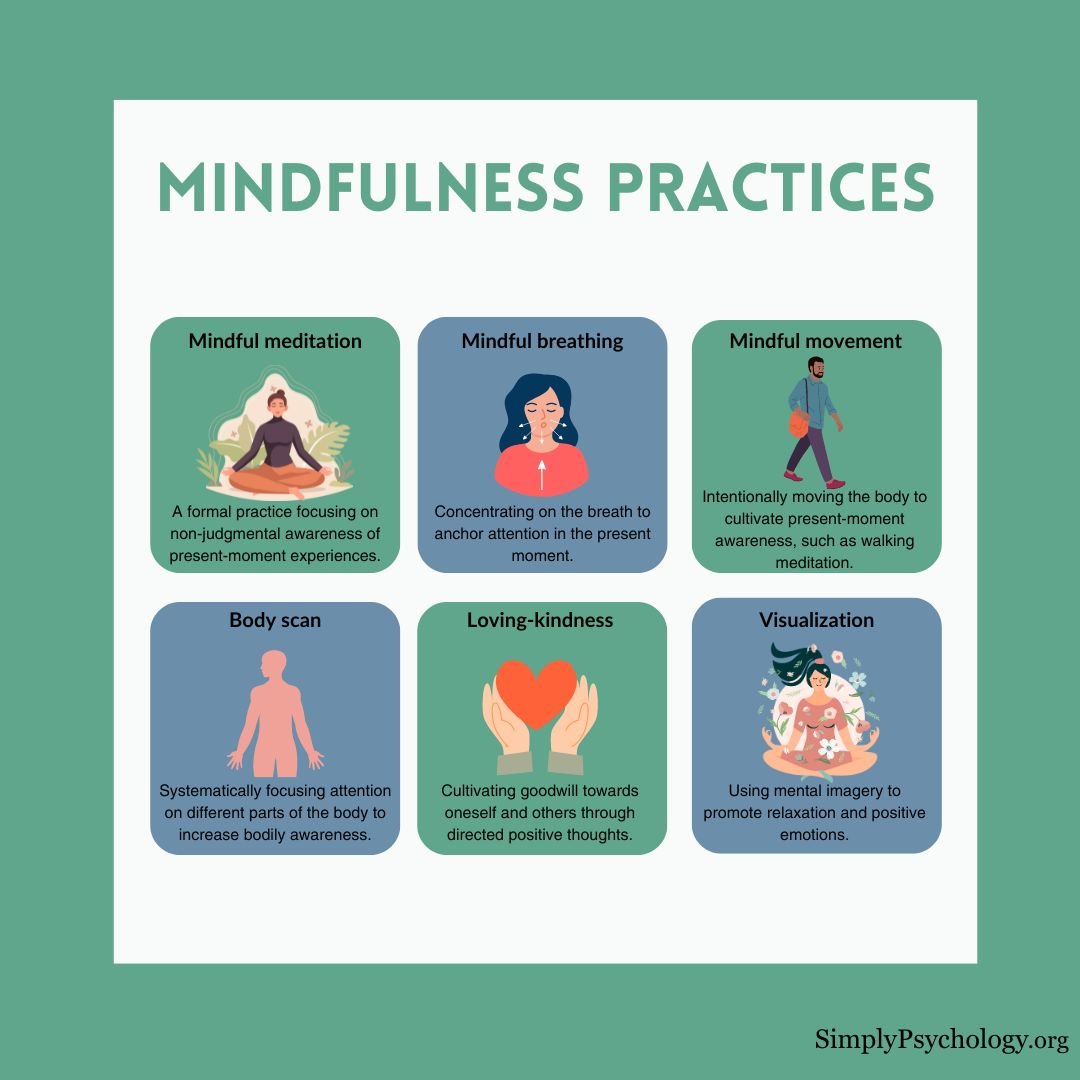
Stress is a constant companion for many in today’s fast-paced world, but science is showing us that not all stress is unbeatable. Groundbreaking research continues to unveil how simple mind and relaxation techniques—like progressive muscle relaxation, deep breathing, and guided imagery—can powerfully reduce stress and rejuvenate our mental state. Far from being fluff, these methods are now backed by solid evidence showing their positive impact on both the brain and body. Whether it’s a college student tackling exams, a healthcare worker facing burnout, or anyone seeking some daily calm, these practices offer accessible yet effective tools for relieving tension and enhancing well-being.
In this overview, we dive into recent scientific findings that compare and confirm the effectiveness of these relaxation techniques. Understanding how each method works not only helps individuals pick the best fit for their needs but also encourages integration into daily routines for sustained benefits. Plus, these approaches serve as solid foundations for tech-driven wellness programs like CalmMind and NeuroRelax that leverage science to promote mental peace. Let’s unpack the fascinating insights behind these simple yet profound methods that are shaping the future of stress management and mental clarity.
Here’s a quick rundown of key takeaways to keep in mind:
- Progressive muscle relaxation, deep breathing, and guided imagery all effectively boost psychological relaxation and help curb stress.
- Physiological responses vary: muscle relaxation and guided imagery consistently lower physiological stress markers, while deep breathing may cause an initial spike before calming occurs.
- Relaxation responses can be rapidly triggered with just 20 minutes of guided audio training, confirming their practicality for busy lifestyles.
- Each technique can fit into different contexts and preferences, making them versatile tools within ZenWell and PeacefulPath wellness frameworks.
- Future research will clarify the long-term effects and optimal usage, especially for practices like deep breathing that show complex physiological patterns.
Understanding the Science Behind Top Relaxation Techniques for Stress Relief
Ever wonder why some relaxation methods just seem to “work” better? Research comparing popular stress management techniques sheds light on how they each affect both mind and body in unique ways. Progressive muscle relaxation (PMR), a method dating back to the 1920s, teaches you to systematically tense and release muscle groups. This not only engages your brain’s higher centers but also sends calming signals up to the nervous system, contributing to deep relaxation. Studies highlight PMR’s success in lowering anxiety among nursing students preparing for tests and improving mood in patients with heart disease or cancer.
Meanwhile, deep breathing—often promoted in wellness apps like CalmMind’s breathing exercises—employs controlled diaphragmatic breaths to boost oxygen flow and stimulate the vagus nerve. This technique’s effects can be a bit of a rollercoaster physiologically, with an initial increase in arousal followed by gradual relaxation, as evidenced by recent undergrad studies measuring electrodermal activity. Its influence on reducing cortisol and negative emotions has been supported in clinical populations ranging from surgical patients to individuals with chronic illnesses.
Guided imagery taps into the power of the mind by replacing stressful thoughts with vivid, positive mental pictures. Medical trials show this method can significantly lower anxiety and stress hormones before surgery, while also easing death anxiety for frontline nurses during the COVID-19 pandemic. Its sensory-rich, immersive experience is a core component of advanced programs like RelaxIQ, which harness both psychological and physiological benefits validated by research.
How These Approaches Change Your Brain and Body
At their core, all these techniques activate the parasympathetic nervous system—the body’s natural brake on stress. By gently shifting your state away from fight-or-flight responses, they reduce heart rate, lower skin conductance, and enhance feelings of peace. Measuring these changes with high-tech tools such as the Biopac MP35 system confirms what practitioners have long reported: mental relaxation pairs closely with physical calm.
Interestingly, while PMR and guided imagery produce a steady decline in physiological stress indicators, deep breathing’s pattern suggests a brief awakening of the nervous system before settling down. This reflects the complex interplay between breath control, oxygen levels, and parasympathetic activation. Those intrigued by such nuances might dive deeper into the science through SereneScience resources or explore dedicated research hubs like MindEase’s meditation insights.
Why Quick Guided Sessions Make a Big Difference in Daily Life
One surprising highlight from this research is the efficiency of short, guided relaxation. Just 20 minutes of following recorded audio instructions can push psychological and physiological relaxation to new heights compared to doing nothing or passing time distracted with unrelated reading. The fact that undergraduate students, a group typically under high pressure, showed significant improvement after brief sessions speaks volumes about accessibility.
This aligns with the growing trend of digital and assisted relaxation platforms such as FocusFlow and TranquilTech, which provide on-demand tools tailored for busy urban lifestyles. Implementing these techniques in evening routines can not only enhance immediate relief but also foster longer-term health improvements. For tips on integrating such habits smoothly, check out expert guides on effective nightly routines that promote restorative sleep and mental calm.
Making Mind and Body Relaxation a Sustainable Habit
While the science validates the immediate impacts, real lifestyle transformation happens when relaxation becomes habitual. This calls for coupling these prime relaxation tools with other lifestyle and sleep hygiene practices—a bestselling combo recommended by initiatives like ZenWell and PeacefulPath. Research-backed daily habits include consistent bedtimes, mindful breathing breaks, and creating calming environments free from stimulation overload.
Programs focusing on healthy habits for better rest integrate stress management seamlessly into life, maximizing benefits beyond the relaxation session itself. This holistic approach fuels resilience, sharper cognitive focus, and sustained emotional balance, essential in a high-paced 2025 world where mental resources are at a premium.