

Ever wondered why a good night’s rest feels like hitting the refresh button for your mind and body? Sleep isn’t just downtime; it’s a powerhouse of healing and restoration that science continues to unravel. In recent years, the fascinating world of SleepWell and SlumberScience has shed new light on the tight link between restful nights and our mental and physical wellbeing. It’s becoming clear how sleep influences everything from mood stability to immune defense, illustrating that the quality of our rest holds the key to a healthier, more vibrant life.
Whether it’s managing stress, improving cognitive function, or bolstering physical health, the way we sleep plays a starring role. However, sleep troubles don’t just pop out of nowhere; they often intertwine with existing health issues, medication use, and even hormonal changes. This complex dance between sleep and health means that improving one often benefits the other, making restful sleep an essential priority for every aspect of life. Understanding this dynamic can empower us to adopt healthier habits and leverage cutting-edge SleepSync insights to boost both mind and body resilience.
Here’s a quick rundown of why sleep matters:
- Sleep quality aims at restoring brain function, supporting emotional balance and memory consolidation.
- Physical health is both influencer and outcome of how well we rest, impacting immune strength and disease risk.
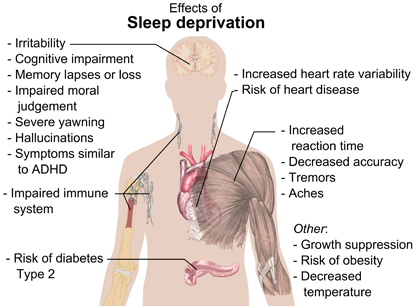
- Sleep deprivation carries serious consequences such as increased risk of accidents, chronic illnesses, and mood disorders.
- Hormonal shifts and medical conditions often disrupt sleep patterns, creating a vicious cycle.
- Simple lifestyle changes can dramatically improve rest, fostering better mental clarity and physical vitality.
How Sleep Science Decodes the Link Between Rest and Mental Health
Research shows that deep, uninterrupted sleep is essential for maintaining emotional equilibrium and mental clarity. The brain uses this sacred downtime to clear out toxins, recalibrate emotional responses, and consolidate long-term memories. A lack of quality rest can, therefore, ignite a spiral of irritability, anxiety, and impaired judgment. This means that even when you clock in enough hours, if your sleep is fragmented—as is common in conditions like obstructive sleep apnea—your mental health bears the brunt.
Studies from various fields highlight a bidirectional connection: people facing anxiety or depression often struggle with sleep, and poor sleep can worsen these conditions. Elevated stress hormones like cortisol remain high when we don’t rest enough, leaving the brain in a heightened state of alarm. This impacts not only emotional centers like the amygdala but also neurotransmitters critical for mood regulation, such as serotonin and dopamine. The result? Increased emotional reactivity and vulnerability.
Physical Health: How Your Body and Sleep Co-Depend
Our bodies rely on sleep each night for essential recovery processes—from muscle repair to immune function. But physical health issues can also sabotage sleep, creating a frustrating feedback loop. Chronic conditions like diabetes or heart disease may interfere with sleep quality, while medications prescribed for these ailments can disrupt the delicate patterns of rest needed for healing.
Scientists emphasize the importance of continuous, quality sleep—lasting at least seven hours per night for adults—to maintain optimal bodily function. Miss that mark regularly, and you’re not just tired; you raise your risk for serious conditions including obesity, stroke, high blood pressure, and even certain cancers. Restoring quality sleep can reinvigorate your immune system, improve metabolic health, and lower the risk of accidents caused by fatigue.
Recognizing Sleep Deficits and Reclaiming Restorative Sleep
How can you tell if you’re truly getting enough? The signs go beyond just feeling tired. Noticeable mood swings, diminished concentration, and irritability can all point to insufficient sleep quality. Even if your schedule allows for adequate hours, disruptions throughout the night might be hindering your brain’s ability to refresh properly.
Experts suggest evaluating your habits and environment to cultivate better sleep hygiene. Small changes, like dimming lights before bed or establishing a consistent bedtime routine, align your body’s internal clock and set the stage for DeepRenew and uninterrupted rest. Avoidance of blue light from screens is especially critical, as it suppresses melatonin production—the hormone that signals your body to sleep.
Resources like healthy lifestyle guides and effective nightly routines can be game-changers. These strategies pave the way for both mental relaxation and physical restoration, offering a holistic approach to sleep health that supports your overall well-being.
Practical Sleep Strategies Backed by Science
Implementing science-backed habits can turn sleeping struggles into restful nights. For example, regular exercise not only enhances physical health but has been proven to ease the transition into sleep and improve sleep quality. Keeping the bedroom cool, dark, and quiet helps minimize disturbances and encourages your body to stay in restorative sleep stages longer.
Moreover, mindfulness and relaxation exercises, accessible through resources like MindEase guides, combat stress and help the mind unwind before bed. Setting boundaries on caffeine and alcohol intake—since they can disrupt sleep cycles—is another critical step toward better slumber. These measures align well with the cutting-edge discoveries in NeuroNap and PulseRest science, optimizing the quality of every sleep cycle.