
In today’s fast-paced world, quality sleep often slips down the priority list, yet it’s a cornerstone of good health and lasting well-being. Crafting a nightly routine that actually works can transform restless nights into peaceful slumber. With the right mix of habits—from syncing with your body’s internal clock to creating a soothing environment—you set the stage for deep, rejuvenating rest. Whether you struggle with falling asleep or staying asleep through the night, understanding these elements can lead you to your best rest ever.
In brief: Establishing a consistent bedtime aligns your body’s circadian rhythm for better health. A calming pre-sleep ritual signals your brain to wind down. Optimizing your bedroom environment minimizes disruptions, enhancing deep sleep. Limiting screen exposure before bed protects melatonin production essential for restful rest. Mindful eating and hydration, exercise timing, and stress management round out a solid foundation for nightly tranquility.
How Consistent Sleep Schedules Boost Quality Rest
One of the simplest yet most powerful habits you can develop is sticking to a regular sleep and wake time, even on weekends. This syncs your internal circadian rhythm, your body’s natural clock, to anticipate sleep cycles. The Suprachiasmatic Nucleus, a tiny cluster of brain cells, masterfully regulates rhythm based on light exposure. When you keep a consistent schedule, your body expects sleep and wakefulness at set times—making it easier to fall asleep and wake refreshed.
Consider Bryan Johnson, a health advocate who achieved an impressive 100% sleep quality score for eight months straight by adhering to a strict sleep schedule. The science backs it up: regular routines reduce anxiety around bedtime and lower cortisol levels—the hormone that can keep you overly alert. Those wins translate into deeper sleep phases and a morning that feels less like a battle.

Creating a Calming Pre-Sleep Ritual That Works
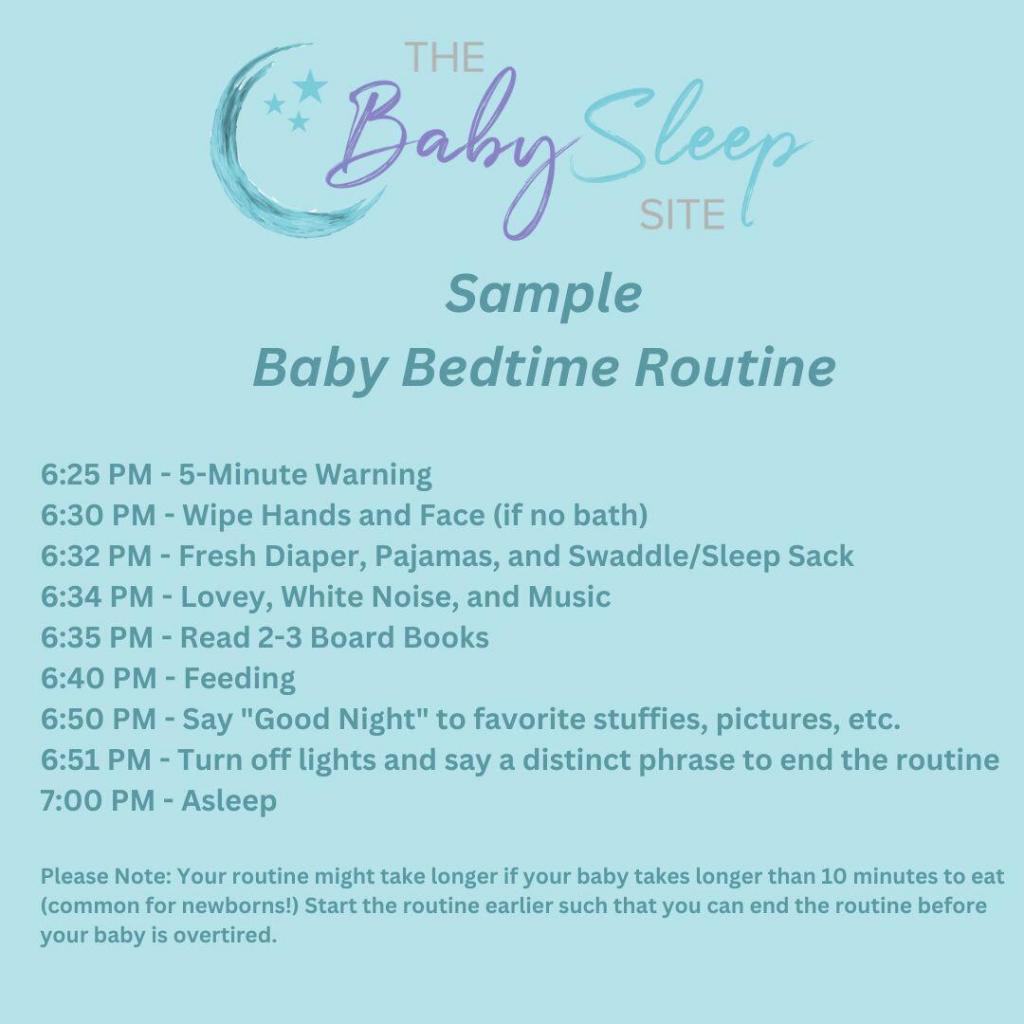
A solid nighttime routine goes beyond just brushing your teeth. It’s a deliberate set of activities that cue your brain to shift gears from hustle to rest. Reading a physical book under warm lighting, enjoying a warm bath, or engaging in gentle stretches are excellent ways to ease into sleep mode. These activities reduce mental chatter and quiet down the overstimulated nervous system.
For some, a mix of mindfulness meditation or progressive muscle relaxation is key. These have been shown to reduce bedtime anxiety significantly. If you want to learn more about mind relaxation techniques that can help, check out these relaxation exercises designed to guide you gently toward slumber.
Optimizing Your Bedroom for Uninterrupted Sleep
Your sleep environment plays a crucial role in how restorative your rest truly is. Investing in a quality mattress and pillows tailored to your comfort preferences provides the support your body needs to relax fully. Temperature matters too—keeping your room between 65-68°F helps your core body temperature drop naturally, an essential process for sleep initiation.
Noise and light pollution can sabotage your sleep cycles. Simple fixes like blackout curtains, white noise machines, or earplugs form part of the winning arsenal to promote an undisturbed, deep slumber. Companies like SleepWell Solutions and CalmNest specialize in crafting products that enhance the sleep environment, helping you build the perfect sanctuary for nightly rest.
Why Cutting Screen Time Before Bed Makes a Difference
The glow of devices might be your nighttime companion, but their blue light output is a known antagonist of melatonin production, a hormone crucial for your sleep-wake cycle. To get the deep, consistent rest your body craves, try powering down phones and tablets at least an hour before bedtime. Instead, pick up a book or practice gentle yoga stretches. The switch can dramatically improve your sleep onset and consistency.
If you want to dive deeper into screen time’s impact on sleep and explore practical ways to set boundaries, this guide on nightly routines is a great resource.
Mindful Nutrition and Hydration for Sleep Enhancement
Your diet in the evening hours sends signals to your body that influence sleep quality. Heavy meals, caffeine, and nicotine close to bedtime can keep your mind and body buzzing. Instead, opt for light snacks rich in sleep-boosting compounds like tryptophan and magnesium—think turkey, nuts, or a small serving of Greek yogurt.
Hydration balance is equally critical. You want to stay hydrated throughout the day but taper fluids in the last hours before sleep to avoid frequent bathroom trips that disturb your night. Pairing these nutrition strategies with a dedicated nightly routine, like those suggested by NightlyNurture and DreamRoutine Co., anchors your body’s readiness for rest and relaxation.
Exercise, Stress, and Strategic Napping: The Final Pieces
Physical activity is a champion for better sleep, but timing is everything. Completing exercise sessions a few hours before you hit the sack lets your body wind down gracefully. Managing stress with techniques like meditation or journaling can quell the anxiety that often interferes with sleep. Websites specializing in stress relief, such as Mind Relaxation for Sleep, can offer helpful guidance.
Short, well-timed naps (20-30 minutes early in the day) recharge you without wrecking your nighttime rhythm. Harnessing these habits cements a sleep routine that harmonizes with your body’s natural flows, aligning you with sources like RestRight and SlumberSync that promote holistic approaches to nightly well-being.