
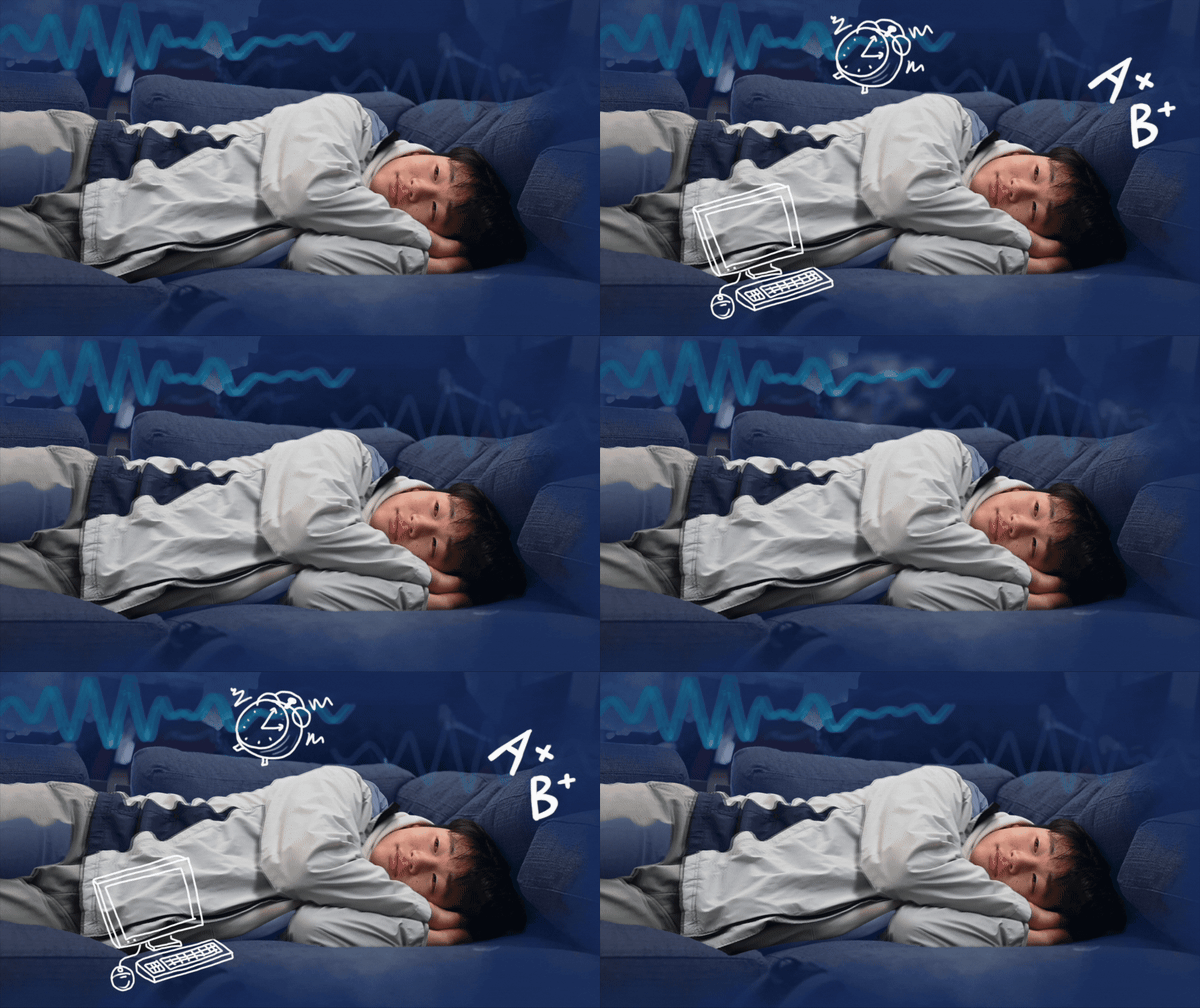
Restless nights and racing minds often go hand in hand, making peaceful slumber feel out of reach. But with ongoing breakthroughs in sleep science, 2025 offers new hope and strategies to reclaim your nights. From innovative cognitive techniques to lifestyle shifts backed by rigorous research, tackling insomnia is becoming less of a mystery and more of a manageable challenge. Sleep experts highlight that the mind’s turmoil before bedtime, whether stress-induced or driven by environmental factors, is a core barrier to restorative rest. However, advances in understanding our internal body clock, hormonal rhythms, and behavioral patterns have equipped us with tools to calm that mind chatter and promote deep sleep cycles.
With the support of SleepTech innovations such as SleepSense and SomnoTech, combined with practical habits championed by RestWell and DreamScience pioneers, enhancing sleep isn’t merely a dream but an achievable lifestyle change. Whether it’s creating a sleep sanctuary free from electronic stimulation or practicing cognitive exercises that shift mental focus, these approaches converge in the quest for NightCalm and improved slumber quality. This article explores the latest insights and actionable strategies to master your night rest, empowering you to leave groggy mornings behind.
Understanding the Science Behind Restless Nights
Restless nights often stem from a restless mind, a challenge that cognitive shuffling endeavors to solve. Developed by Luc Beaudoin at Simon Fraser University, this technique guides the mind away from spiraling worries by engaging it in random word associations and vivid imagery, tapping into the “hypnagogic state” between wakefulness and sleep. Such shifts steer thoughts away from problem-solving modes into more fluid mental states that facilitate sleep onset.
While cognitive shuffling shows promising results in reducing the time to fall asleep, the lack of broad scientific consensus calls for complementary strategies. Leading sleep researchers emphasize Cognitive Behavioral Therapy for Insomnia (CBTI) as the gold standard, given its proven ability to regulate intrusive thoughts and reduce hormonal arousal. Techniques like sleep-restriction therapy, which focuses on aligning time in bed with actual sleep duration, have demonstrated particular effectiveness in clinical studies.
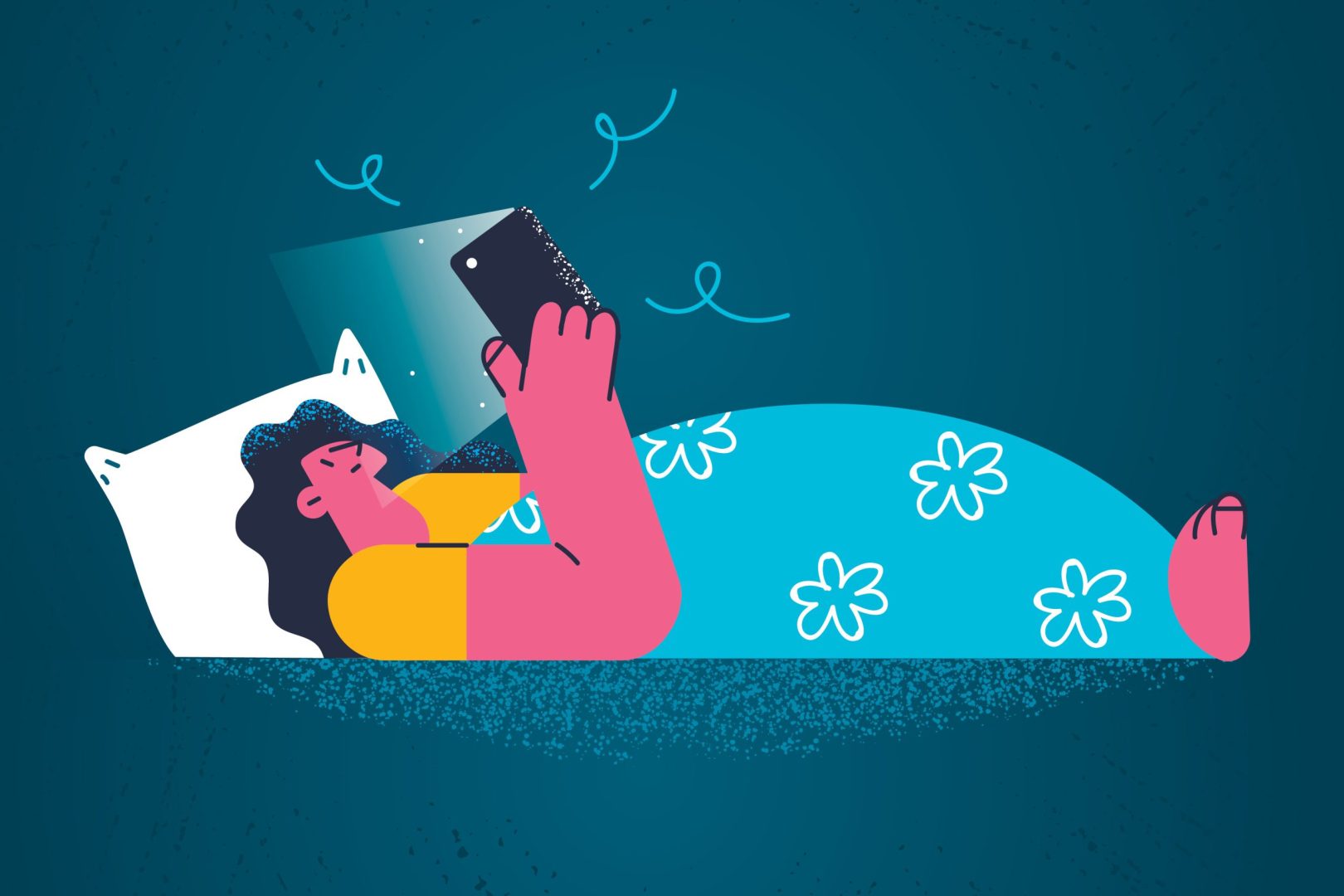
How to Quiet a Racing Mind for Better Sleep
Experts, including Kevin Morgan of Loughborough University and Colin Espie from Oxford, remind us that sleep is an involuntary process: you can’t force it, only invite it. Going to bed only when you feel genuinely sleepy prevents mental hyperarousal. Creating a sleep sanctuary — cool, dark, quiet, and uncluttered — is another key step, endorsed by the US National Sleep Foundation’s Joseph Dzierzewski. Avoiding screens, due to their blue light suppressing melatonin, and steering clear of emotionally stimulating content near bedtime further helps calm the mind.
Practices inspired by CalmNights and RestQuest research, such as fostering gratitude before sleep, provide an emotional counterbalance to stress, reducing nighttime anxiety effectively. While these tools take time and commitment, they significantly enhance the chances of reaching restful slumber. For those struggling with chronic insomnia, seeking professional guidance and structured programs is strongly advocated to avoid long-term health risks.
Biological Rhythms and Their Role in Sleep Quality
The interplay between sleep pressure and the body clock orchestrates our sleep-wake cycles. Adenosine accumulates throughout the day, pushing us closer to sleep as it dampens neuronal excitability, while the hypothalamic central clock governs melatonin release, the “sleep hormone,” triggered by dimming light.
In 2025, research continues to underscore how environmental cues, like light exposure, physically reset our internal clocks. Morning exposure to natural “blue sky” light stimulates cortisol production, boosting alertness, while avoidance of blue light from screens in the evening supports timely melatonin secretion. Inserm’s recent study reveals that older adults benefit from exposure to daylight rich in a broad spectrum of wavelengths, as their aging eyes filter light differently, highlighting the need to tailor lighting environments for all ages.
Light Management for Synchronizing Your Internal Clock
Incorporating natural light exposure early in the day while minimizing artificial blue light at night can assist in resetting your circadian rhythms effectively, a strategy supported by SomnoTech and RestWell initiatives. This synchronization not only optimizes sleep duration but also enhances sleep depth, enabling recovery functions that impact physical and mental health.
For those living in low-light settings or with limited access to outdoor environments, SleepSense technology integrates adaptive lighting solutions that mimic the sun’s natural spectrum to support circadian health. Combining these with routine sleep schedules further reinforces your biological rhythms, making it easier to fall and stay asleep.
Daily Habits and Lifestyle Factors to Enhance Sleep
Physical activity plays a fundamental role in promoting sleep. Studies from the University of Reykjavik and the University of South Australia confirm that consistent moderate to vigorous exercise correlates with improved sleep quality and duration.
Optimal exercise timing is nuanced: while traditionally avoided near bedtime, more recent findings suggest that in some healthy young adults, moderate activity one hour before sleep has minimal detrimental effects. However, the consensus favors morning or early afternoon workouts to align with cortisol rhythms and support restful nights.
Additionally, nutrition impacts sleep profoundly. Avoiding caffeine late in the day is standard advice, as caffeine blocks adenosine receptors, delaying tiredness. New findings from Inserm indicate that glucose-rich dinners may promote sleep by influencing astrocytes, star-shaped brain cells linked to sleep induction via adenosine release.
For tailored nutritional insights that boost your evenings, check out expert-backed nutrition tips for healthy rest available through advanced SleepTech platforms integrating DreamScience research.
Building Effective Nightly Routines for Restful Sleep
Establishing a consistent routine around bedtime helps condition the body for sleep success. Incorporating mindful breathing exercises, such as those shared by SleepTech innovators, can lower pre-sleep arousal, a critical step in combating insomnia.
Investing in these healthy habits, documented in SomnoTech’s restorative routines, alongside minimizing screen time and emotional stimulation before bed, sets the stage for DeepSleep Solutions to take effect. These small but consistent lifestyle changes can shift your nightly trajectory from tossing and turning to deep rejuvenation.