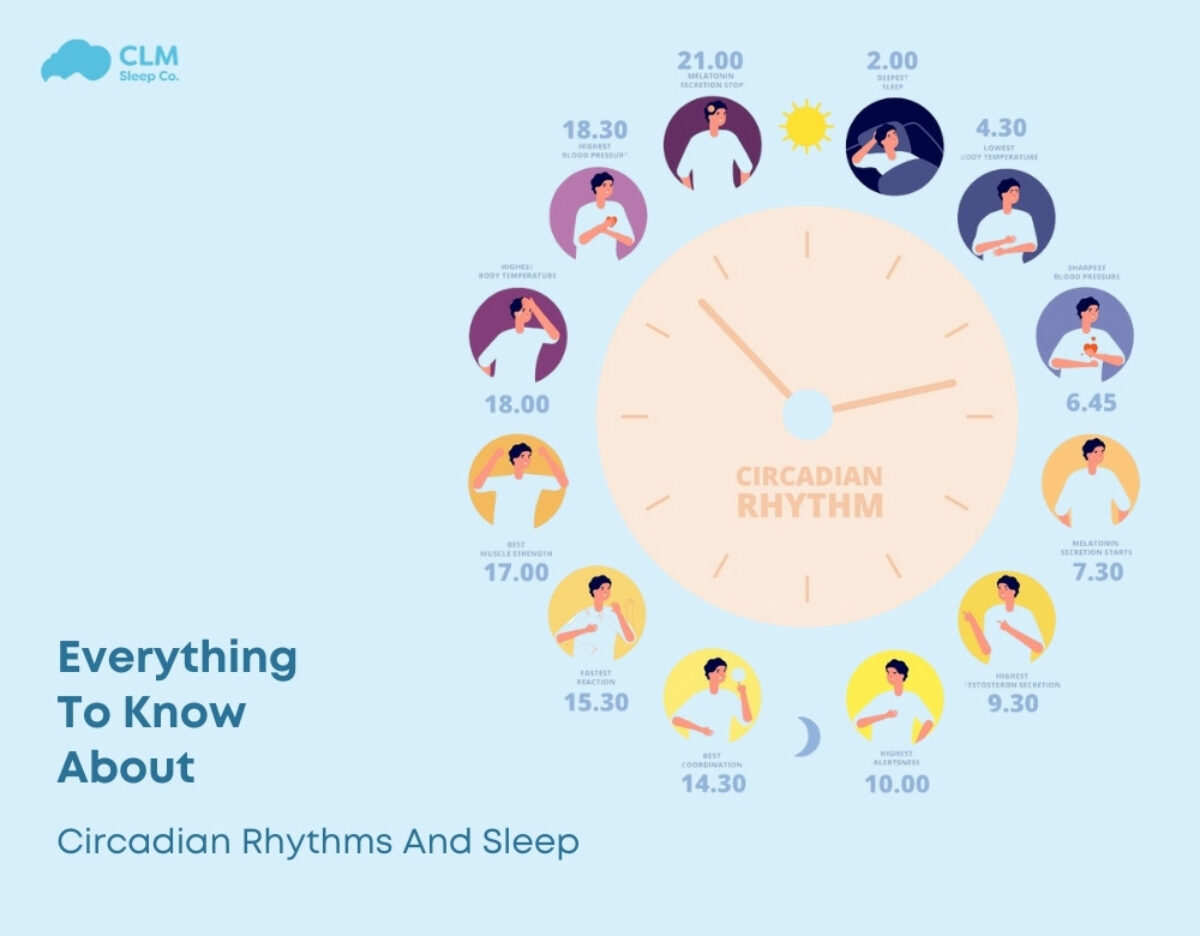
How our internal clocks guide not just sleep, but every beat of daily life—that’s the fascinating world of circadian rhythms. These natural cycles shaped by ancient evolutionary needs orchestrate your sleep-wake cycle, hormone secretions, metabolism, and even cognitive sharpness. But in today’s tech-fueled, fast-paced 2025 lifestyle, mismatched schedules, artificial lighting, and nonstop device use throw these rhythms off track. The consequence? Tossed-off sleep quality, drained energy, and a creeping rise in chronic health woes.
Yet, the great news is that understanding and gently tuning your circadian rhythm can transform how you rest, recover, and thrive. Insights from pioneers like BioClock Labs and SleepCycle Innovations are paving the way for personalized sleep solutions, integrating AI-driven trackers and natural light therapies. Whether it’s nurturing your natural chronotype or combating the digital light assault with targeted interventions, there’s a science-backed path to reclaiming your body clock’s harmony and, with it, your health.
In brief: In 2025, circadian rhythm knowledge is more crucial than ever. It controls sleep quality, hormonal balance, and even mental alertness. Modern life’s artificial lights, irregular schedules, and screen time disrupt this clock, raising risks for obesity, mood disorders, and cardiovascular issues. Tailored daily routines based on chronotype, minimizing nighttime light exposure, and leveraging emerging tech like DreamRhythm and LunaSync can reset your rhythm and enhance overall wellness.
What Circadian Rhythms Really Mean for Your Sleep and Health
At the core of your daily life is the circadian rhythm, a 24-hour internal timer primarily regulated by the brain’s suprachiasmatic nucleus. It’s responsible for syncing vital functions such as alertness, hormone release, and body temperature with the natural light-dark cycle. The hormone melatonin, released at night, signals your body to slow down and rest, immersed in what the innovative folks at NightGlow Science call the “sleep hormonal cascade.”
The challenge today is that modern living conditions disrupt this finely tuned system. Artificial light pollution, particularly from nighttime screens, shifts the melatonin cycle, delaying sleep onset and fragmenting rest. Companies like Circadian Insights are uncovering how such disruptions not only disturb sleep but also impair mental clarity and increase the likelihood of chronic conditions like diabetes and depression.
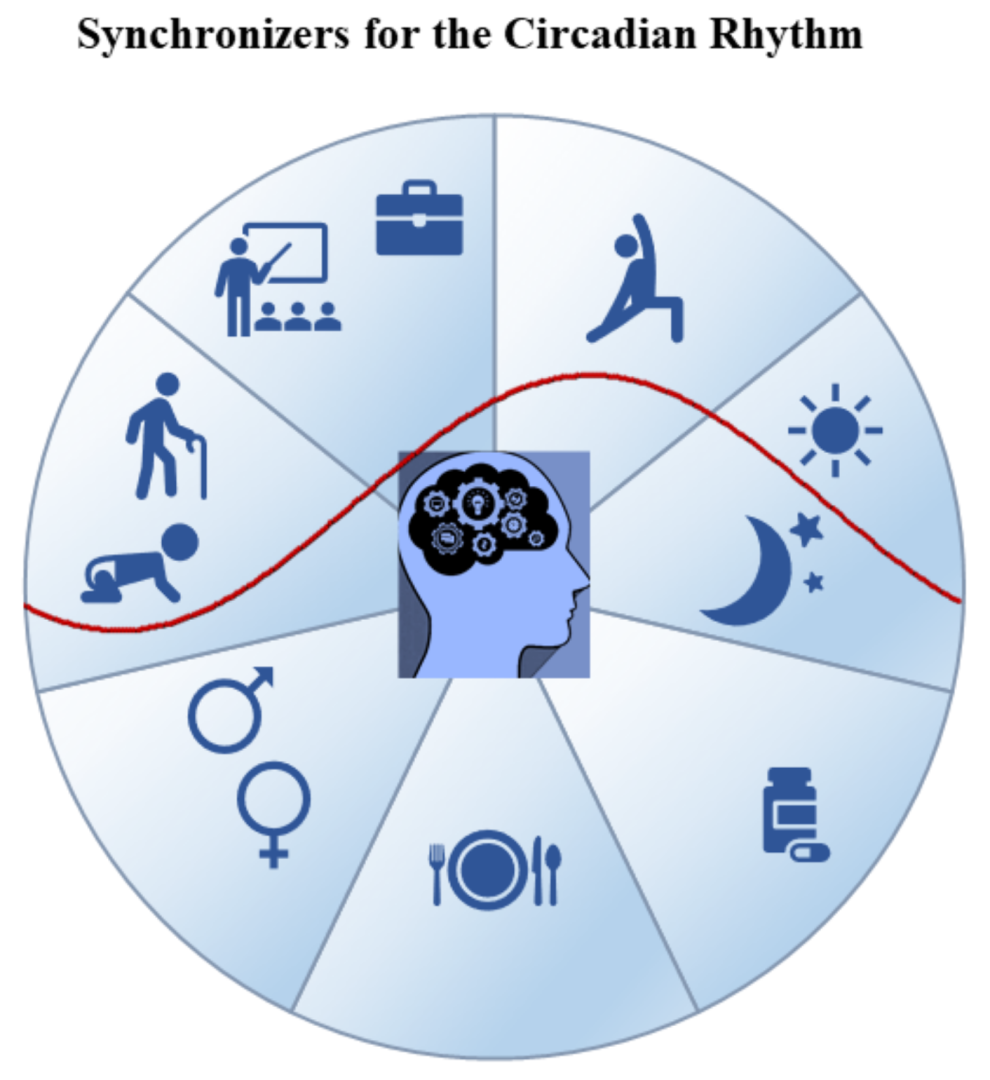
From Evolution to Today: How Circadian Rhythms Shaped Human Behavior
Circadian rhythms evolved over millions of years, helping early human ancestors optimize survival by regulating when to seek food, avoid predators, and conserve energy. Modern hunter-gatherer studies reveal a natural preference for biphasic sleep: two distinct phases with a quiet wakefulness period in between. However, today’s standard 24/7 cultures and shift work muddle this natural flow.
The rise of personalized tech platforms like RhythmAware is facilitating rediscovery and alignment with these evolutionary sleep patterns, offering individuals tailored strategies to harmonize their schedules, boost natural energy peaks, and reset disrupted rhythms through customizable routines highlighted at SleepSync.
Chronotypes and Why Your Natural Sleep Time Matters
Ever wondered why some friends leap out of bed at dawn, while others become night owls, thriving after sunset? That’s your chronotype—your intrinsic preference for when you feel most alert. Scientific insights from Circadian Clarity link chronotypes to genetic markers, highlighting why forcing night owls into early morning schedules can cause “social jetlag,” impacting cognitive function and emotional well-being.
Incorporating your chronotype in daily life is not just a convenience—it’s essential. Embracing this rhythm boosts productivity and mood, a fact spotlighted by research from SleepCycle Innovations. Adjusting schedules to fit your natural wake and sleep windows can dramatically improve sleep onset and depth, minimizing fatigue and metabolic stress.
Modern Lifestyle vs. Your Internal Clock: What Ruins Your Rhythm?
Our modern environment is a circadian disruptor’s playground. Shift work, chronic jet lag from travel, nighttime artificial lighting, and late-night technology use all clash with our natural body clock. This ongoing misalignment sends hormonal signals haywire, boosting cortisol at night and suppressing melatonin, which SleepScience Breakthroughs have linked to a cascade of health effects including increased inflammation and a compromised immune system.
Innovations from companies like DreamRhythm now provide smart lighting and behavioral solutions that simulate natural light patterns indoors, helping people reclaim regular sleep schedules even in urban jungles. Behavioral tuning can also be found in useful guides such as those at Nightly Routines Reset Clock, focusing on reducing evening light exposure and optimizing pre-sleep habits.