
Basal Metabolic Rate Calculator
Calculate your Basal Metabolic Rate (BMR) using weight, height, age, and gender to understand your daily energy expenditure and caloric needs.
Grasping your Basal Metabolic Rate (BMR) is like unlocking a secret blueprint of your body’s fundamental energy needs. This figure represents the minimum calories your body requires to keep vital functions running—think breathing, blood circulation, and cell repair—even when you’re just chilling. Whether you’re aiming to shed a few pounds, fuel muscle growth, or maintain your current weight effectively, understanding your BMR is a game changer for managing your energy expenditure.
Imagine your body as a high-performance engine that needs a constant fuel supply even at rest. This baseline fuel consumption, or BMR, accounts for a whopping 60% to 75% of your daily caloric needs. But it doesn’t stop there—your body’s total energy output also includes the calories burned through daily movement and the digestion of food.
How Basal Metabolic Rate Shapes Your Body Energy Use
Your BMR defines the number of calories your body burns in a resting state to perform vital functions like breathing, nutrient processing, and organ maintenance. This baseline measure is crucial in estimating how many calories you should consume daily to meet your unique energy requirements.
It may surprise you that your Resting Metabolic Rate (RMR) is a close cousin to BMR. Both estimate calorie burn at rest, but RMR is typically measured under less strict conditions, such as after waking up but without strict fasting or rest beforehand. Experts often use these terms interchangeably, since your RMR usually provides a fair estimate of your BMR.
Calculating Your Basal Metabolic Rate
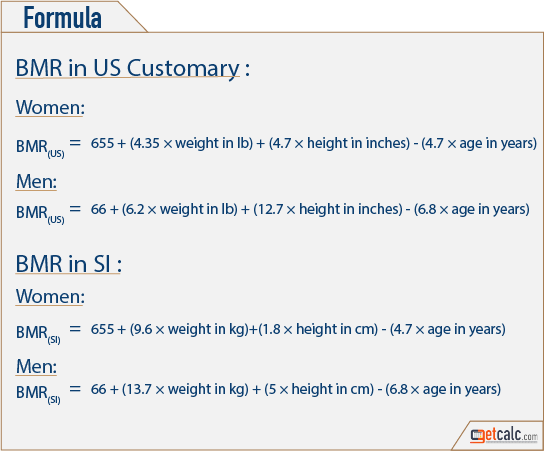
Calculating your BMR can be done with some simple formulas designed by scientists. The widely used Harris-Benedict equation adjusts based on your weight, height, age, and gender:
- For Men: BMR = 88.362 + (13.397 x weight in kg) + (4.799 x height in cm) – (5.677 x age in years)
- For Women: BMR = 447.593 + (9.247 x weight in kg) + (3.098 x height in cm) – (4.330 x age in years)
You can try out these calculations manually or use handy online tools like the calorie calculator guide to get your numbers quickly, factoring in your daily activity level too.
How Your Metabolism Influences Calorie Burn
Your metabolism functions as a complex network of chemical processes that turn the calories you consume into usable energy. The main chunk of your daily calorie burn at rest comes from your BMR, but other factors also play important roles:
- Activity Thermogenesis: Calories burned through both exercise and non-exercise movements contribute roughly 15-30% of your daily expenditure. Boosting your daily movement can intensify this number.
- Thermic Effect of Food: About 10% of calories are burned through digestion and nutrient processing, with protein-rich meals giving you a slight metabolic boost.
By increasing muscle mass, for instance, you can enhance your metabolic health since lean muscle consumes more calories than fat, even at rest. Studies reveal that resistance training can elevate your resting metabolic rate by up to 5%, helping you torch more calories effortlessly.
Applying BMR Insights for Weight Management
Understanding your BMR is a critical step in managing your caloric needs effectively. By knowing how many calories your body needs just to sustain life at rest, you can tailor your diet and exercise plan to create a calorie deficit for weight loss or a surplus for muscle gain.
For practical tips and personalized plans, checking out resources like the macros calculator guide can offer tailored advice on balancing your macros along with calorie intake.