
BMI Calculator
Body Mass Index (BMI) is like your quick health snapshot—an easy way to see if your weight is playing nice with your height. In 2025, with health awareness on the rise, knowing your BMI number isn’t just a medical thing; it’s part of smart weight management. From grabbing a snack to planning workouts, understanding your BMI can tweak your daily routine for the better. Let’s unpack the BMI formula, decode those numbers, and see why this simple tool still matters in modern health assessment.
In brief: The BMI calculator offers a fast, reliable way to gauge weight status using just height and weight. It’s not a diagnosis but a solid starting point for spotting potential risks. Understanding BMI categories helps spot where your body stands—from underweight to obesity classes. Pairing BMI interpretation with lifestyle habits like diet and exercise transforms numbers into actionable health steps. Remember, combining your BMI with other tools, like waist measurements, gives a fuller picture of your health journey.
What Is Body Mass Index and Why Should You Care in 2025?
Simply put, body mass index is a number derived using your weight and height. Grab your scales and tape measure: because the BMI formula is straightforward yet powerful. Developed back in the 1830s, BMI caught on globally because it offers a cost-effective snapshot of weight status—whether you’re underweight, within a healthy weight range, overweight, or facing obesity.
Doctors use it as a first check-up tool because it’s quick and mostly reliable for adults. But here’s the twist—BMI doesn’t distinguish muscle from fat. So, for athletes rocking serious muscle, the number might be misleading. Also, age, ethnicity, and fat distribution all play roles. Knowing your BMI is about adding to your health toolbox, not giving you the whole manual.
How To Calculate BMI Correctly Using This Simple Formula
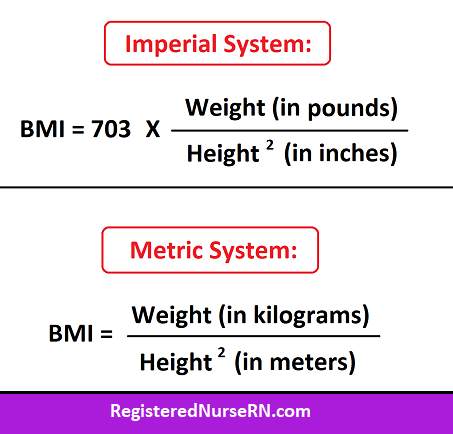
The magic of BMI lies in its simplicity. For those using metric units, just divide your weight in kilograms by your height squared in meters. For imperial fans, the formula tweaks a bit—take your weight in pounds, divide by your height in inches squared, then multiply by 703.
For example, if you’re 5’6” (66 inches) and 150 pounds, your BMI calculates to around 24.2, comfortably in the normal weight category. Make sure to measure your weight after waking up (before breakfast is best!) and height without shoes for the most accurate reading.
For extra accuracy and context, many turn to online tools that automate these steps. Pair it with calculators like our running calories calculator or walking calories calculator to align your fitness routine with your BMI goals.
Decoding Your BMI Numbers: Categories and What They Mean
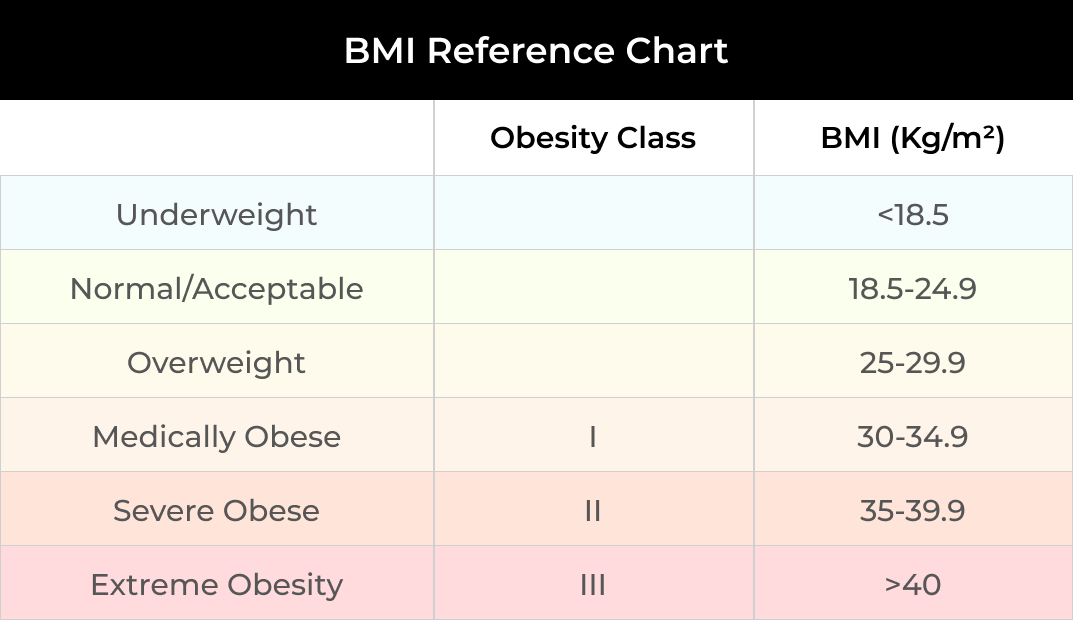
Your calculated BMI lands you in one of several categories. According to the World Health Organization:
- Underweight: BMI below 18.5, which might hint at malnutrition or other health issues.
- Normal weight: BMI between 18.5 and 24.9, generally representing the healthiest range.
- Overweight: BMI from 25 to 29.9, signifying increased health risks.
- Obese: BMI 30 or above, split into three classes (I, II, and III), each representing escalating health risks.
Recognizing where you stand helps shape your weight management approach. For instance, if you’re in the overweight or obese category, it could be time to tweak your nutrition or activity level. Use calculated insights combined with tools like the gym plate calculator for smart workout planning.
Why BMI Matters Beyond Numbers
BMI offers more than just a number; it’s a stepping stone in health assessment. Medical pros rely on it during checkups to flag who might need more detailed tests for conditions like diabetes or heart disease. But, it also translates well to personal use, helping track progress—not just for weight loss but overall health improvement.
That said, BMI isn’t the full story. It doesn’t address fat distribution—where your body stores fat can be a bigger risk factor than the number itself. That’s why combining BMI with waist measurements opens the window to a more nuanced health assessment.
Practical Tips to Improve Your BMI Safely and Smartly
If your BMI suggests making changes, the best approach isn’t dramatic dieting but steady, sustainable habits. Focus on small calorie deficits, maintain protein intake for muscle preservation, and stay active—maybe track your progress with a specialized tool like the powerlifting calculator guide if strength training’s your thing.
Understanding that fluctuations are normal helps keep motivation intact. Daily shifts from hydration or sodium intake can tip the scale a bit. So, aim to check trends over weeks, not days. Combining BMI with other lifestyle trackers creates a holistic view of your health journey.
When to Reach Out to a Healthcare Professional
Don’t hesitate to consult a healthcare provider if your BMI is outside the healthy weight range or if you notice rapid changes. They’ll help tailor advice based on your unique health profile, ensuring that BMI numbers guide you without defining you.