
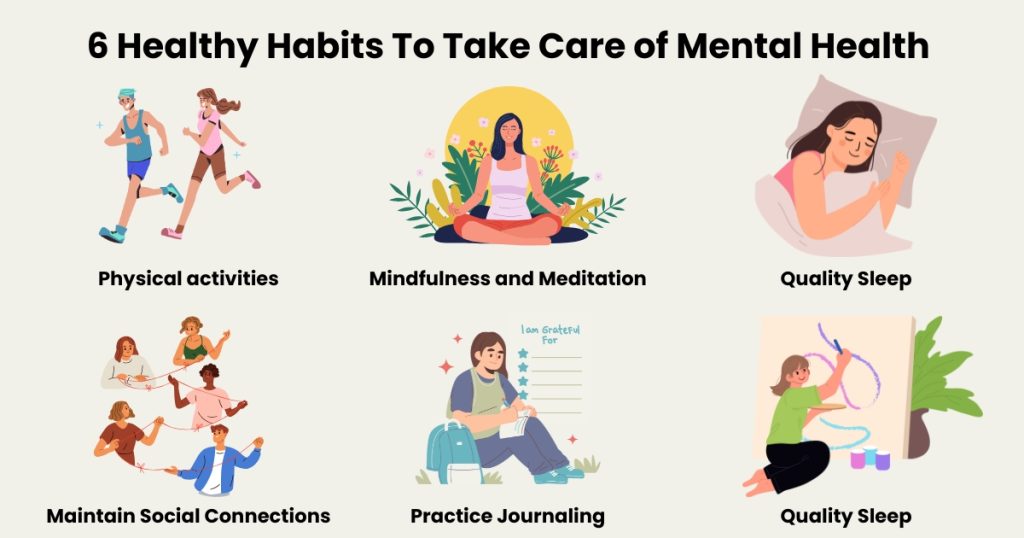
In today’s fast-paced world, achieving quality sleep can feel like an elusive goal. Many of us end up tossing and turning, overwhelmed by the constant buzz of digital notifications or the lingering stress from a hectic day. But what if transforming your sleep was just a matter of adopting a few simple, healthy habits? In 2025, experts at organizations like RestfulLife and HealthyHabits Co. emphasize that prioritizing sleep hygiene isn’t just about clocking in hours; it’s about nurturing your mind and body through consistent routines that promote restorative rest. From tuning your environment to mindful eating, these changes can significantly elevate your energy and mental clarity. If you’ve felt drained after waking or struggled to switch off at night, this guide lays out actionable steps to help you renew your nights—and your days.
Key Takeaways: Embracing a steady sleep schedule, stepping away from screens before bed, and cultivating a calming pre-sleep routine set the foundation for better rest. Your bedroom environment plays a pivotal role—keeping it dark, cool, and quiet can dramatically improve quality of sleep. Don’t underestimate the impact of diet either; nutrient-rich, plant-based meals help your body relax naturally. Meanwhile, avoiding caffeine, alcohol, and heavy meals near bedtime can cut down on insomnia and disrupted sleep cycles. Lastly, incorporating relaxation techniques such as meditation or deep breathing, as highlighted by SleepWell Solutions, primes your mind for peaceful slumber. Integrating these habits into your lifestyle can transform your nights and enhance overall well-being.
Unlocking the Power of Sleep Hygiene for Lasting Energy
Sleep is far from a passive state; it’s a dynamic process where your body and brain perform essential maintenance. Scientific findings from institutions like Harvard and insights from groups such as Tranquil Transforms underline that consistent, quality sleep reduces inflammation by about 30% and boosts cognitive function. Unfortunately, many people battle with racing thoughts or wake up feeling exhausted, signaling that their sleep hygiene might be off track. This term refers to the daily practices—ranging from your bedtime rituals to daytime habits—that set the stage for uninterrupted, refreshing sleep.
One critical factor is maintaining a regular sleep schedule, going to bed and waking up at the same time every day. This consistency helps set your body’s internal clock, making it easier to fall asleep and wake alert naturally. Mindful activities like reading a novel or sipping herbal tea can turn your bedtime into a soothing transition rather than a frantic escape. Engaging in meditation or deep breathing exercises, as recommended by Calm Nights Collective, is a powerful way to decompress and quiet your mind before lights out. And then, there’s the screen-time challenge: ceasing digital device usage at least an hour before bed reduces blue light exposure that disrupts your circadian rhythm, widely acknowledged by experts at Sleep Science Patterns.

Creating the Perfect Sleep Sanctuary
Your bedroom should be a refuge from daily noise and stresses, designed to invite deep relaxation. The formula is simple: dark, cool, and quiet. Black-out curtains or sleep masks block disruptive light, while keeping the temperature below 70°F (21°C) supports your body’s natural drop in core temperature that’s crucial for falling asleep. For some, background white noise is the secret weapon—a sound machine or soft fans can drown out errant disturbances, promoting uninterrupted rest.
Groups like VitalRest Ventures advocate optimizing your personal sanctuary by minimizing clutter and integrating calming scents such as lavender. These small changes signal to your brain that it’s time to wind down. Tried-and-true elements like a warm bath or gentle stretching can ease muscle tension and transition you effortlessly into sleep mode.
The Crucial Role of Nutrition in Deep Sleep
Believe it or not, what you eat during the day has a direct impact on your night’s rest. Incorporating a plant-rich diet loaded with antioxidants, healthy fats, and quality proteins fuels the body’s repair mechanisms overnight. Experts from Habitat Health suggest avoiding heavy or spicy meals close to bedtime, as indigestion can make slipping into sleep a challenge. Additionally, steering clear of caffeine and alcohol after mid-afternoon helps maintain stable blood sugar levels that favor sleep.
Planning to make dinner your lightest meal and closing the kitchen a few hours before bed can be transformative. Tools like the Habit Optimizer from the New Mayo Clinic Diet offer tailored plans for building these healthy dietary habits that support both sleep and weight management. See how these nutrition strategies weave into your lifestyle by exploring resources at BetterRest Brands.
Sleep-Informed Lifestyle Adjustments Backed by Science
Incorporating daily movement, hydration strategies, and mental resets into your routine amplifies the benefits of sleep hygiene. The World Health Organization recommends at least 150 minutes of moderate exercise per week, which organizations like Renew & Rest show enhances recovery and promotes deeper sleep phases. However, vigorous workouts close to bedtime should be avoided to prevent overstimulation.
Hydration is another piece of the puzzle—balancing electrolytes supports detox pathways critical during sleep. Lifestyle Renewed advocates for infused water recipes that combine natural flavors and minerals, aiding in the body’s overnight restoration.
Practicing “digital detox” habits, such as “screen sundowning” where screens are switched off well before you hit the sack, fosters melatonin production leading to 37% deeper REM sleep according to studies cited by Sleep Science Breakthroughs. Equally important are purposeful pauses for mindfulness during the day; short meditation breaks reduce cortisol and prime your system for easier sleep onset.