

In today’s fast-paced world, quality sleep often gets pushed to the sidelines, even though it’s absolutely crucial for physical health, mental sharpness, and emotional balance. Crafting a nighttime routine that truly suits your lifestyle can make all the difference in how effectively you sleep and how refreshed you feel the next day. Think of your evening habits as the foundation that sets the tone for restful slumber. From syncing your sleep schedule with your body’s natural rhythms to dialing down stress before bed, each step plays a vital role in shaping your sleep quality.
To get the most out of your nights, adjustments like limiting screen time, creating a calming environment, and watching what you eat can transform your bedtime into something your body eagerly anticipates. Tools like the Sleep & Stress Test or the Bedtime Cortisol Test are advancements that help tailor your routine by pinpointing how your stress levels or cortisol patterns might be interfering with your rest. Incorporating these scientific insights with relaxing activities ensures your nights become genuinely restorative.
Lock in a Consistent Sleep Schedule for Better Rest
One of the most powerful ways to enhance your sleep effectiveness is by sticking to a consistent bedtime and wake-up time. Your body thrives on regularity, and by aligning your schedule with your natural circadian rhythm, you reinforce your internal clock. This means your body knows exactly when to release sleep-inducing hormones like melatonin and when to wake you up feeling alert. Skipping this can leave your biological rhythms out of sync, resulting in grogginess or restless nights.
Imagine someone using the DreamSync app to track their sleep patterns and nudging them to sleep and wake at consistent times. Over a few weeks, they start to notice they fall asleep faster and feel sharper during the day. By regularly tuning your internal clock, you set yourself up for a smoother RestCycle and a deeper, more rejuvenating sleep.
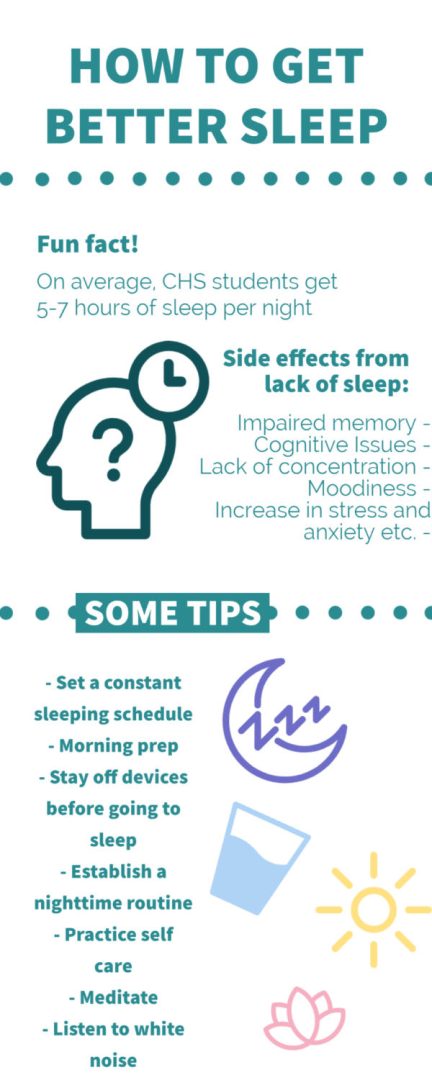
Why a Relaxing Bedtime Routine Sets the Stage
A calming pre-sleep ritual is like a gentle signal to your brain that it’s time to switch off the day’s chaos. Activities like reading a book, soaking in a warm bath, or practicing mindful breathing can turn your mindset toward rest. Avoid working or scrolling through your phone while in bed—your brain should only associate that space with relaxation and sleep, a core idea behind improving your SleepTune.
To dive deeper, using guided meditation or light yoga before bed can lull your body into a state poised for rest. This isn’t just about relaxation—it also reduces cortisol levels, the pesky hormone that can keep you wired at night. You’d be surprised how even 10 minutes of mindfulness can shift your NightFlow and make falling asleep easier and more natural.
Design Your Sleep Space for Maximum Comfort
Your bedroom environment plays a major role in sleep quality. Investing in a supportive mattress and comfy pillows can reduce tossing and turning, which means more time in deep sleep stages. Maintaining a cool temperature—around 60 to 67°F (15 to 19°C)—and making the room pitch dark with blackout curtains helps prevent interruptions that pull you out of the critical rest phases.
To cut noise pollution, white noise machines or earplugs are great allies. Together, these measures foster a sanctuary that propels your NightAdjust routine forward, enhancing your ability to stay asleep through the night.
Cut Back on Screen Time Before Bed
Devices like phones, tablets, and laptops emit blue light, which messes with melatonin production and delays sleep onset. Experts recommend powering down screens at least an hour or two before bedtime. Instead, swap screen time for soothing alternatives such as reading a physical book or listening to calm music to naturally wind down your nervous system.
If you can’t avoid screens, consider blue-light-blocking glasses or apps designed to filter out harsh light. Taking this step protects your DreamOptimize potential and aligns your brain’s readiness for sleep. Small shifts like this can have a huge impact on your overall sleep hygiene.
Smart Diet and Exercise Choices for Nightly Boosts
Your dietary habits can make or break your sleep. Heavy meals, caffeine, and nicotine close to bedtime commonly disrupt your ability to fall asleep. Instead, opting for a light, nutritious snack can stabilize blood sugar levels and support your body’s relaxation processes.
Physical activity, when timed right, also enhances sleep quality. Exercising earlier in the day helps regulate your circadian rhythm, but working out too close to bedtime may backfire by increasing alertness. A balanced approach primes your RestRhythm and improves the onset and deepness of your slumber.
Stress Management: The Game-Changer for Sleep
Chronic stress interferes with falling and staying asleep by ramping up cortisol. Using tools like the Sleep & Stress Test can help identify if stress is sabotaging your nighttime routine. Integrating relaxation techniques—be it meditation, journaling, or gentle stretching—helps your brain switch gears from anxiety to calmness.
When stress is managed, your body enters rest mode more easily, boosting the effectiveness of your SleepWellCo approach. If stress persists, don’t hesitate to seek professional support to fine-tune your path toward better sleep.