Sleep isn’t just a passive state where your body rests—it’s a fascinating, active biological process that plays a crucial role in keeping you sharp, healthy, and emotionally balanced. Whether you are napping in the afternoon or finally hitting the hay after a long day, your brain is busier than you might think. Research in SleepTech and innovations from companies like DreamWell and RestIQ have unveiled how distinct sleep cycles and internal clocks govern when you feel awake or tired. These insights reveal why catching those elusive REM and non-REM stages is key to resting well and waking up feeling truly recharged. Mastering this science can elevate your rest from just “sleeping” to a rejuvenating experience that supports your body’s natural rhythms and mental clarity.
En bref : Sleep is much more than downtime; it’s an essential biological function governed by intricate brain and body rhythms. Each night, your sleep cycles alternate through light, deep, and REM phases, each with vital roles from tissue repair to memory consolidation. Disturbances in these cycles can affect everything from immune strength to emotional resilience. Leveraging modern SleepMetrics tools and understanding CircadianLabs discoveries can help you optimize rest, preventing the long-term risks linked to sleep deprivation.
How the Science of Sleep Decodes Your Unique Sleeping Patterns
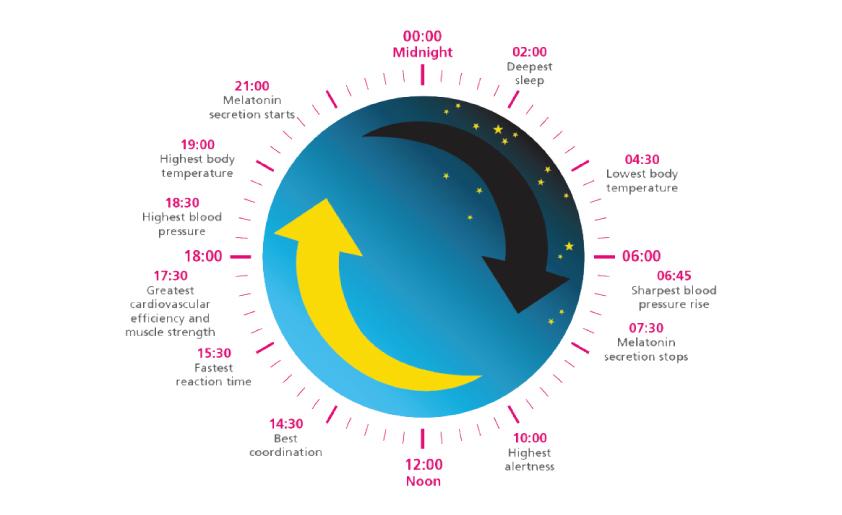
Ever wonder why some nights feel refreshing while others leave you groggy? It turns out your body’s internal clock, regulated by the brain’s circadian rhythm, orchestrates your sleep schedule. This biological rhythm dictates when your body cues you to feel awake or tired, syncing with environmental signals like light and temperature. Within each night’s sleep, your brain cycles through phases—light sleep gently eases you in, deep sleep is where serious physical recovery happens, and REM sleep activates brain waves for dreaming and memory processing.
The seamless flow through these stages, each typically lasting around 90 minutes, ensures your body maximally restores energy, repairs tissues, and supports emotional well-being. Companies like SlumberSense and NapScience have harnessed this knowledge to develop interventions that monitor and enhance these cycles, particularly important for those struggling with irregular routines or sleep disorders. So, your unique sleeping pattern is really your body’s tailored mechanism to keep you functioning at your best.
Why Your Body Needs Those Precious REM and Deep Sleep Cycles
Deep sleep is the body’s power-up mode, where cells regenerate, immune defenses are fortified, and hormones that regulate hunger and metabolism are balanced. Without enough deep sleep, you might find yourself running low on energy or gaining weight, as hormone imbalances throw off appetite control. On the flip side, REM sleep, with its vivid dreams and intense brain activity, is critical for mental health. It helps consolidate memories, process emotions, and ignite creativity. Missing REM sleep can dampen mood stability and learning ability, a fact that SleepSync technologies focus on preserving.
Think of your nights like a carefully choreographed performance; skipping or disrupting one act—like deep or REM sleep—throws the whole show out of sync. That’s why fragmented sleep can leave you feeling foggy, emotionally raw, and less able to tackle daily challenges.
The Real Health Impact of Sleep Science You Can’t Ignore
Poor sleep isn’t just about feeling tired the next day; it’s a genuine health risk. Chronic sleep deprivation disrupts hormone balance, weakens immunity, and even increases the risk of heart disease and diabetes. It slows metabolism and worsens blood sugar control, leading to long term health complications. The brain is also hit hard—decision-making slows down, concentration wanes, and emotional control takes a nosedive.
Thanks to advances in SleepTech and tools from innovators like RestfulRhythms and DreamPulse, it’s now easier to identify early signs of poor sleep and intervene before things get serious. By understanding and respecting your sleep biology, you’re not just preventing fatigue—you’re actively protecting your heart, brain, and mood for the long haul.
Simple Science-Backed Tricks to Boost Your Sleep Quality Tonight
Fixing bad sleep starts with small consistent actions. Keeping a regular sleep schedule helps reset your brain’s circadian rhythm, while ditching screens an hour before bed prevents blue light from knocking your melatonin levels out of whack. Making your bedroom a cool, dark, and quiet haven invites relaxation and deeper rest. Avoid caffeine late in the day and experiment with calming routines like gentle stretching or reading to signal to your brain it’s time to wind down.
Integration of tech like wearable SleepMetrics trackers lets you see your sleep patterns clearly, making it easier to tailor personalized improvements. Additionally, incorporating stress relief practices and magnesium-rich foods supports natural hormone balance that promotes deeper slumber. The collaborative efforts of companies including CircadianLabs are pushing the boundaries on how lifestyle and science merge to make losing sleep a thing of the past.