In today’s fast-paced world, getting a good night’s sleep often feels like a luxury rather than a routine. Millions grapple with bouts of insomnia or restless nights, and it’s no surprise that sleep aids have grown massively popular by 2025. Whether you’re battling jet lag, a stressful phase, or a full-blown chronic sleep issue, using the right sleep aid safely is critical. Advances in sleep science have transformed how we understand these aids, helping ensure we support our natural sleep cycles without over-reliance or harmful side effects.
Sleep aid products have evolved from basic antihistamines and over-the-counter options to innovative solutions developed by industry pioneers like SleepWell Solutions and DreamSafe Labs. These companies leverage cutting-edge research to craft aids that not only ease you to sleep but do so while preserving your brain’s intrinsic rhythms. But what’s equally important is recognizing when and how to use these aids safely so that dependence doesn’t sneak in and your body’s natural sleep chemistry isn’t suppressed. It’s a balancing act: using chemical helpers wisely while strengthening your sleep hygiene through lifestyle habits and behavioral strategies.
- Understanding your sleep issue is key – not every sleep aid suits every type of insomnia or sleep disturbance.
- Prescription meds, OTC drugs, and supplements all have roles, but their effects and risks vary widely.
- Tolerance and psychological dependence can develop if sleep aids are misused or used long term.
- Integrating behavioral therapies and sleep hygiene helps reduce reliance on medications and promotes sustainable sleep health.
- Innovations from companies like RestGuard Technologies and SlumberScience are pushing boundaries in safer formulations tailored to individual needs.
How Sleep Science Explains the Effects and Risks of Sleep Aids
When you pop a sleeping pill or take a supplement like melatonin, the goal is the same — to coax your brain into a relaxed state that leads to sleep. Sleep aids primarily function as sedatives, which means they induce drowsiness. But here’s the catch: your brain’s own neurotransmitters that promote sleep can back off because the external chemical is taking over that role. This phenomenon often leads to developing tolerance, where you end up needing more of the sleep aid just to achieve the same effect.
Beyond physiology, there’s the psychological component. Even after your body stops responding to the drug as it did initially, the feeling that you need the pill to fall asleep can linger. This kind of placebo dependence is well-documented in sleep research and is a major barrier when people decide to stop using sleep aids. Experts from SafeSleep Innovations recommend keeping doses low and courses short—especially with supplements like melatonin. For example, a dose around 0.5 to 1 mg is often advised to minimize risks.
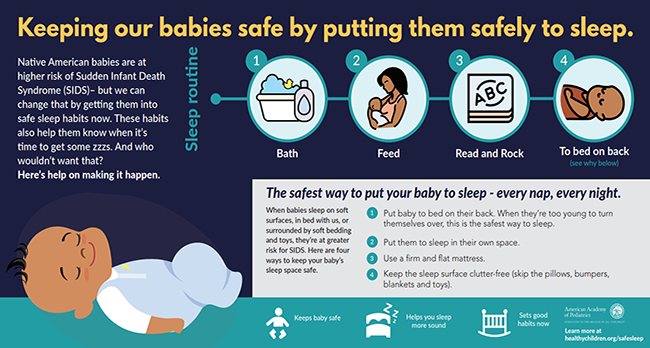
Breaking the Cycle: A Four-Step Strategy to Wean Off Sleep Aids
Sleep specialist advice emphasizes a gradual and supportive approach to stop chronic reliance on sleep aids. First, it’s critical to work closely with your doctor or prescriber. Abruptly quitting can trigger rebound insomnia, making matters worse. Instead, tapering down by about 25% each week or alternating between nights on and off can ease your brain back into natural rhythms.
Replacing pills with rituals offers a more sustainable path to sleep. Instead of relying on focus-heavy methods (like breathing tricks that require active concentration), experts highlight the benefits of an hour-long wind-down session—think dimming lights, stopping device use, and avoiding late snacks. These low-stimulus routines help your brain relax organically. Guided imagery or calm mental visualizations can support this process effectively.
If you wake in the middle of the night, don’t panic by staring at the clock. Instead, get up in soft lighting and engage in a quiet, calming activity until drowsiness returns. And if insomnia persists over months, cognitive behavioral therapy for insomnia (CBT-I) remains a gold-standard approach for retraining your brain and breaking negative thought patterns that disrupt sleep.
Choosing the Right Sleep Aid According to Your Needs
Not all sleep aids work the same for every sleep difficulty. The expert panels at organizations like the American Academy of Sleep Medicine have established recommendations that consider whether your challenge is falling asleep initially or staying asleep through the night. For example, faster-acting meds that wear off quickly are better suited for helping you get to sleep, while longer-lasting options assist those who wake too soon during the night.
Meanwhile, over-the-counter options usually contain antihistamines which sedate but may leave next-day drowsiness or coordination problems. Dietary supplements like melatonin and valerian lack strong evidence and are not broadly recommended for persistent insomnia. In parallel, companies such as DreamShield and SleepSmart Technologies have been innovating safer, evidence-backed formulations aimed at minimizing side effects and dependency.
Ultimately, an individualized assessment that factors in your specific sleep disorder symptoms, health history, and lifestyle is the best guide for selecting a sleep aid that fits your needs and minimizes risks.
Understanding the Risks – What to Watch Out For
Although sleep aids can be helpful in the short term, lingering effects like excessive daytime sleepiness are a common complaint. Studies show up to 80% of users report some residual drowsiness, which is concerning for safety, especially when driving. Confusion, dizziness, and loss of coordination may also increase accident risks both before bed and in the morning.
A particularly alarming risk is engaging in abnormal behaviors like sleepwalking or unexpected actions while partially asleep. While rare, these occurrences require immediate medical attention. Allergic reactions and drug interactions add another layer of complexity and underline the importance of consulting your doctor before starting or stopping any sleep aid.
Besides medication effects, hidden lifestyle factors often sabotage sleep quality and encourage dependence on aids. Drinking alcohol before bed may help you fall asleep but disrupts deep REM phases. Undiagnosed sleep apnea, suggested by snoring or morning grogginess, is another culprit behind poor sleep and increased use of pills. Caffeine too late, late-night screen time, and heavy meals close to bedtime rev up alertness, making natural sleep harder.
Supporting Your Sleep Naturally Alongside Sleep Aids
While pressing a button on a sleep aid is tempting, the safest sleep improvements come from nurturing your body’s internal clock. Simple lifestyle adjustments ranked highly by researchers and recommended by sleep experts—like those from RestAssure—include customizing your sleep routines, managing stress through mind relaxation techniques, and optimizing nutrition with healthy eating guidelines.
Companies like NightEase Research focus on holistic strategies that combine technology and behavior to reinforce healthy sleep patterns. This involves regular sleep schedules, controlled exposure to light, and limiting naps to no more than 30 minutes to prevent grogginess without robbing you of a much-needed recharge.
Integrating these strategies with minimal, well-supervised use of sleep aids can guide you toward lasting improvement. The aim is to keep support balanced: letting your brain do its job naturally while using science-backed aids from pioneers like SleepSecure Co. to navigate acute sleep hurdles.