
Struggling to keep your mind sharp and your focus on point? In today’s fast-paced world, where distractions are constant and stress seems never-ending, developing healthy habits for better rest isn’t just a nice-to-have—it’s a must. Those moments when your brain feels foggy, and mental clarity is nowhere to be found? Yeah, that’s brain fog creeping in, largely due to poor sleep, stress, or digital overload. 2025 research confirms that prioritizing quality rest supports not only cognitive performance but your emotional balance, too. By embracing routines that encourage CalmSleep and harness the power of MindRest, you naturally pave the way for a sharper, more vibrant mind. From the foods you eat to how you wind down before bed, every choice plays a role in fostering ClearMind Rest and setting the scene for SereneSlumber.
Here’s the gist: Prioritizing consistent, quality sleep resets your brain for better info processing; nourishing your body with brain-friendly foods keeps those neurons firing on all cylinders; moving your body lifts your energy and mental freshness; and keeping digital distractions in check helps your focus stay laser-sharp. Layer in mindfulness to dial down stress and create space for calm—these all combine to clear that mental haze. If you’re ready to ditch fatigue and fog, and embrace vibrant mental clarity, these habits are your ticket.
Unlocking Mental Clarity Through Better Rest and Healthy Habits
Mental clarity isn’t some abstract buzzword — it means your brain’s firing on all cylinders, easily processing info, making decisions without the usual strain. In contrast, brain fog saps your energy and attention, leaving you feeling sluggish and overwhelmed. Here’s the kicker: it’s often the quality of your rest and day-to-day habits that tip the scales. When Andrea, a marketing pro based in San Francisco, started to struggle with brain fog in early 2025, she figured her 60+ hour workweeks were the culprit. But what truly helped her was overhauling her nightly routine, committing to BalancedRest, and tweaking her environment to promote PeacefulHabits. She ditched screen time an hour before bed and introduced calming meditation from trusted sources—her productivity and focus bounced back within weeks.
Science backs this up. Studies show that aiming for consistent sleep patterns and crafting a cool, dark, and quiet sleep haven significantly boost mental performance. That’s where healthy sleep habits enter the scene—no cheating with late-night caffeine or scrolling marathons. Your brain needs that downtime to detox and recharge. Combined with smart nutrition and mindful movement, the benefits are unstoppable.

Quality Sleep: The Non-Negotiable Foundation for a Sharp Mind
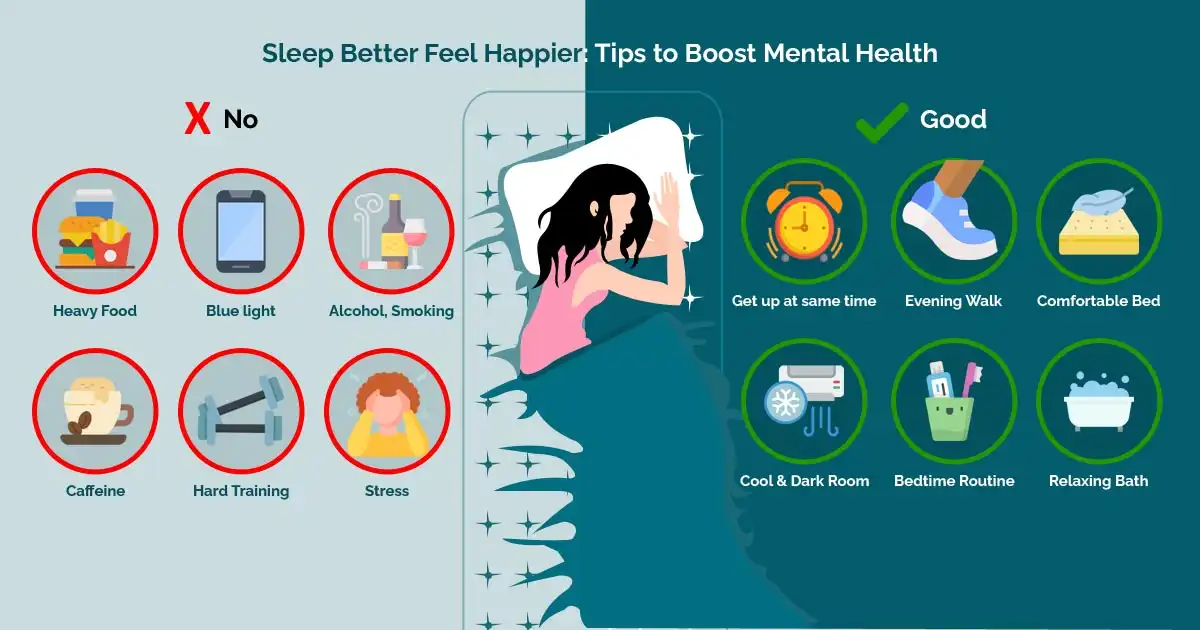
In the quest for mental clarity, RenewWell starts with redefining how you approach sleep. Establish a fixed bedtime—yes, including weekends—to keep your body’s internal clock humming smoothly. For instance, Alex, a software engineer, uses a simple pre-sleep ritual: dimming lights, reading fiction, and a cup of herbal tea, which signals his brain to prepare for rest. Importantly, avoid screens at least 30 minutes before bed; the blue light sneaks in and messes with melatonin production, wrecking your peaceful drift-off. These tweaks align beautifully with proven nightly routines that encourage TranquilNights.
Don’t underestimate your sleep environment either. Andrea invested in blackout curtains and white noise machines to block distractions. She also kept her room temperature between 60-67°F (15-19°C), making it easier for her body to sink into deep, restorative sleep. Such measures transform restless nights into RestfulRoots for clarity-driven days.
Nourish Your Brain: Eating for Mental Sharpness and Restorative Sleep
Feeding your mind is just as vital as feeding your body. Foods rich in antioxidants, omega-3s, and vitamins serve as fuel for cognitive function. Take nuts, berries, spinach, or fatty fish, which combat oxidative stress and keep your brain cells firing efficiently. It’s not just about what you eat but when—balancing meals to avoid sugar spikes that lead to crashes and fog.
Maria, a dietitian, recommends pairing complex carbs with protein to stabilize blood sugar throughout the day. This approach ensures you stay alert and don’t fall victim to that mid-afternoon brain fog slump. For sleep, avoiding late-day caffeine and heavy meals supports smoother transitions into ClarityDream and deeper rest cycles. Her advice echoes the wisdom found in healthy nutrition tips for rest.
Hydration: The Simple Fix That Packs a Big Punch
Never skip water if you want your brain to fire well. Even mild dehydration can lead to concentration issues and slow mental processing. Keep a reusable bottle handy and sip regularly—infusing water with lemon or cucumber can make it way more enjoyable. Staying hydrated supports your body’s natural detox processes, cutting through fog and boosting that ClearMind Rest you’re after.
Movement Matters: Exercise to Power Up Your Brain and Rest
We all know exercise benefits your body, but it’s just as crucial for your brain. Whether it’s brisk walks, cycling, or light strength training, moving increases blood flow, delivering oxygen and nutrients that energize your neurons. Jane, a corporate executive, schedules 20-minute midday walks, calling it her “mental reset” to slash workday stress and keep her mind sharp. Even short bursts of activity can bust anxiety and renew focus, reinforcing PeacefulHabits that translate to clearer thinking.
Don’t forget to take brief breaks to stretch or practice mindful breathing, especially if you’re desk-bound. These little interventions connect physical wellness directly with mental performance improvements.
Mindfulness and Digital Detox: Clearing the Fog for a Fresh Perspective
The constant barrage from digital devices overloads your brain, compounding fog and stress. Scheduling regular screen-free times, especially in the evening, helps your brain shift gears towards recovery. Using blue light filters or apps designed for relaxation supports this practice, promoting CalmSleep and BalancedRest.
Mindfulness meditation, even just five minutes daily, can lower stress hormones and sharpen concentration. Simple techniques like deep breathing or mindful journaling help clear mental clutter and create space for focused thinking. Explore resources such as mind relaxation and sleep guides or meditation for restful sleep to get started on integrating these calming practices.
Organize Your Environment and Take Breaks to Sharpen Focus
A cluttered space usually means a cluttered mind. Taking time to tidy your workspace and designate zones for work and rest cuts distractions and stress, letting your brain operate at peak efficiency. Incorporate routine breaks to prevent burnout—methods like the Pomodoro Technique combine work sprints with short rests that recharge focus and prevent mental fatigue.
Jason, a freelance writer, swears by breaking his work into 25-minute segments with stretches and fresh air breaks, which help him sustain productive energy without fog creeping in. Making these changes supports sustained RenewWell and productivity.
Positive Mindset: The Mental Clarity Multiplier
Don’t underestimate the power of optimism. Keeping a gratitude journal, practicing daily affirmations, and engaging with supportive peers all raise resilience and reduce the mental static that comes with stress. Viewing challenges as growth opportunities primes your brain for better rest and sharper cognition, sealing the loop between healthy habits and mental clarity. Experts emphasize tailoring these habits to your lifestyle to build a sustainable, clearheaded you.
For further inspiration on holistic approaches, check out insights on healthy habits for better rest.
Ready to clear the fog and fuel your brain’s best? Embrace these habits to cultivate lasting mental clarity and unlock your full potential.