
BCAA Needs Calculator
Calculate your recommended BCAA dosage based on your weight, training intensity, frequency, and goals.
Whether you’re hitting the gym hard, training for endurance, or just looking to optimize your daily nutrition, understanding your BCAA daily needs is a game-changer. BCAAs – that’s leucine, isoleucine, and valine – are essential amino acids your body can’t produce, so figuring out how to calculate BCAA intake becomes crucial for muscle recovery, performance, and overall health. But it’s not just about popping supplements; it’s about dialing in the right amount of protein intake from food and when to turn to BCAA supplementation. With a growing number of plant-based athletes entering the scene, knowing how to balance multiple protein sources or choose the right supplement formula brings a new twist to managing your amino acid intake. This guide will walk you through everything from understanding BCAA requirements, personalized strategies for dosing based on activity level, to safety limits and timing hacks. Welcome to your go-to amino acid guide and reliable BCAA calculator to support your gains and wellness in 2025 and beyond.
Quick takeaways for your amino acid dosage goals:
- BCAA requirements vary widely depending on training intensity and goals, ranging from 5 to 20 grams daily.
- Protein-rich whole foods generally cover basic BCAA needs, but supplements offer precise timing and rapid absorption benefits.
- Plant-based eaters should combine quinoa, hemp, and legumes strategically to meet amino acid targets efficiently.
- Maximum safe daily intake for most healthy adults tops around 12 grams, but individual tolerance is key.
- Beginner athletes start low to assess response, while advanced trainees boost dosage according to muscle breakdown.
- Supplement timing – especially around workouts – significantly influences recovery and performance outcomes.
How to Calculate Your BCAA Needs: A Personalized Nutrition Calculator
Figuring out your exact BCAA requirements means considering your body weight, workout intensity, frequency, and fitness objectives. Since BCAAs aren’t synthesized internally, they must come from your diet or supplements. This is where a smart BCAA calculator helps tailor your amino acid intake precisely to your lifestyle. For example, a casual gym-goer hitting light sessions might need only 5-8g of BCAAs daily, while a competitive athlete engaged in heavy daily training could need up to 20g. These figures often split across pre-, during, and post-exercise doses to promote effective muscle protein synthesis and reduce fatigue.
Remember, while meat, dairy, and eggs offer naturally complete proteins rich in BCAAs, vegetarians and vegans should mix plant sources like quinoa and lentils throughout the day to meet their standards. Whole food sources deliver a variable leucine:isoleucine:valine ratio, contrary to the typical supplement ratio of 2:1:1, which some studies suggest optimizes muscle repair. This is why measuring and balancing your total amino acid dosage carefully is critical for maximizing the benefits and avoiding over- or under-consumption.
When to Choose BCAA Supplements Over Food Sources
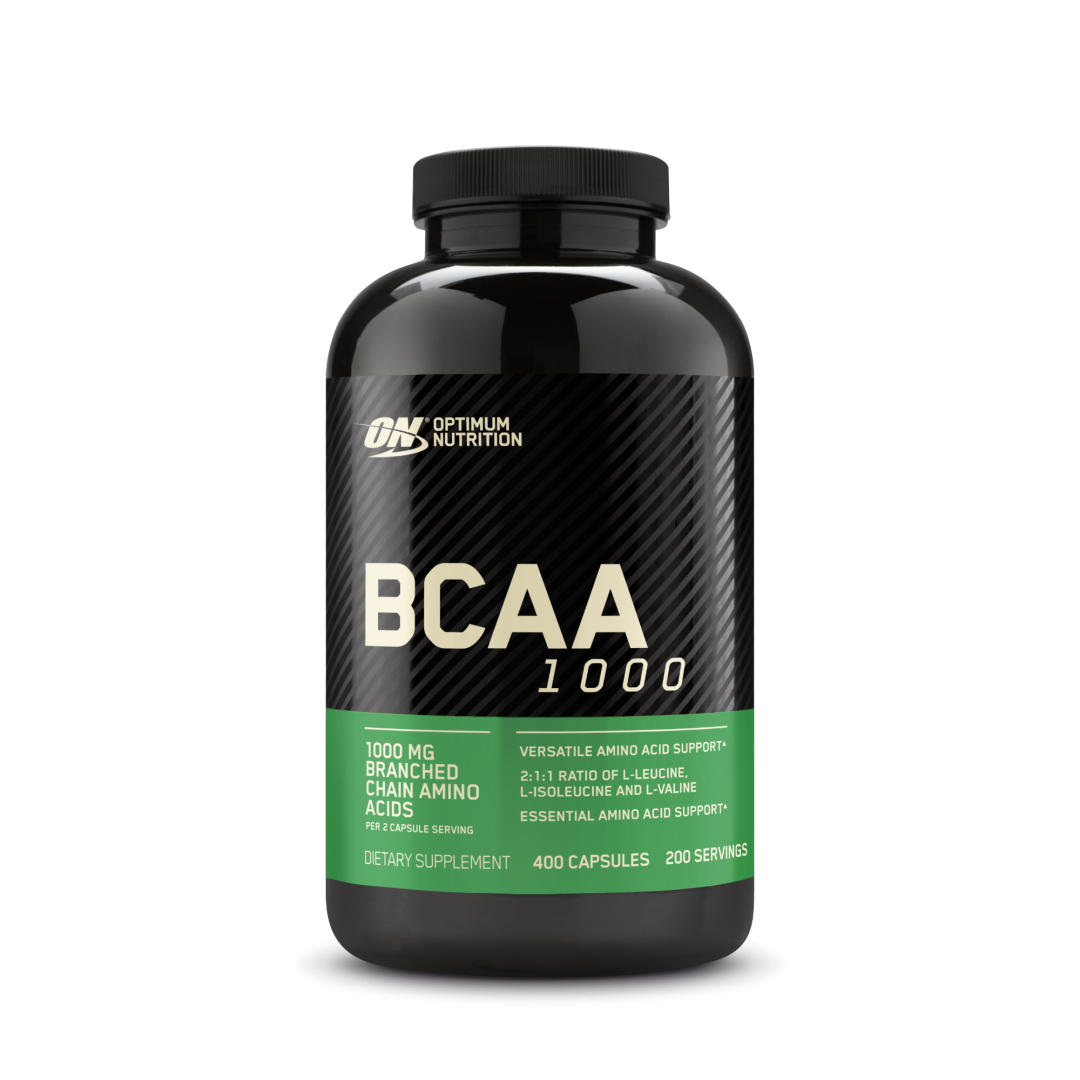
It’s no secret that food should be your main protein source, but BCAA supplements shine particularly when you want fast absorption without digestive slowdown, especially pre or during workouts. Unlike whole proteins, isolated BCAAs bypass the need for extra energy digestion, offering nearly instant availability to muscles. This is perfect for those intense training sessions where timing is everything. Additionally, supplements let you hit the precise amino acid dosage needed – the hallmark 2:1:1 leucine to isoleucine to valine ratio – which can be tricky to hit consistently with whole foods.
For example, endurance athletes may prefer sipping BCAAs during long events to stave off fatigue and maintain performance, while bodybuilders focus on post-workout intake to jumpstart muscle recovery. Ultimately, supplements are a powerful tool when you want that specific BCAA daily needs tailored by science, but they work best paired with an already solid nutrition foundation.
Understanding Safe BCAA Dosage and Avoiding Side Effects
Safety first: research indicates that consuming up to 12 grams of BCAAs daily for sustained periods (even two years) is generally safe for healthy adults, with many fitness studies landing in that 5-15 gram range for optimal effect. However, individual tolerance matters. Some people notice improvements starting at 5 grams, while others find up to 20 grams necessary for their demanding routines.
Going beyond 15 grams without medical advice might lead to side effects like mild fatigue, coordination challenges, or stomach discomfort. It’s wise to take BCAAs alongside meals to reduce digestive issues and always check with a healthcare provider if you have metabolic conditions or during pregnancy and nursing. Starting low and gradually increasing your dosage helps you tune into your body’s feedback, building a custom regimen without surprises.
Adaptive Dosing Strategy for Different Workout Levels
Your training intensity defines your BCAA intake strategy. Light activity usually means you’re fine with your usual protein intake covering your amino acid needs. When workouts get moderate or frequent, upping BCAA intake to 8-12 grams daily supports recovery better. For hard-hitting daily training, 15-20 grams split around workout windows can defend against muscle breakdown and fatigue.
During peak competition prep or grueling training blocks, a temporary increase in BCAA consumption can keep your performance sharp. Once you dial back training, bringing dosage back to baseline helps maintain balance and avoid overuse.
Optimizing Protein Intake Alongside BCAA Supplementation
While we focus heavily on BCAA dosage, don’t forget the bigger picture of overall protein intake. Your body needs total protein to build, repair, and maintain tissues, with recommended intakes often between 1.2 to 2.2 grams per kilogram of body weight for active individuals in 2025. Distributing protein evenly across meals, including a source at every snack, aids steady amino acid availability.
Whole foods like chicken breast (31g protein per 100g), Greek yogurt, eggs, salmon, and plant proteins like lentils and tofu provide a rich amino acid profile, covering your BCAA requirements naturally. For those who struggle to meet protein goals or want an extra edge around training, protein supplements can conveniently complement your diet.