
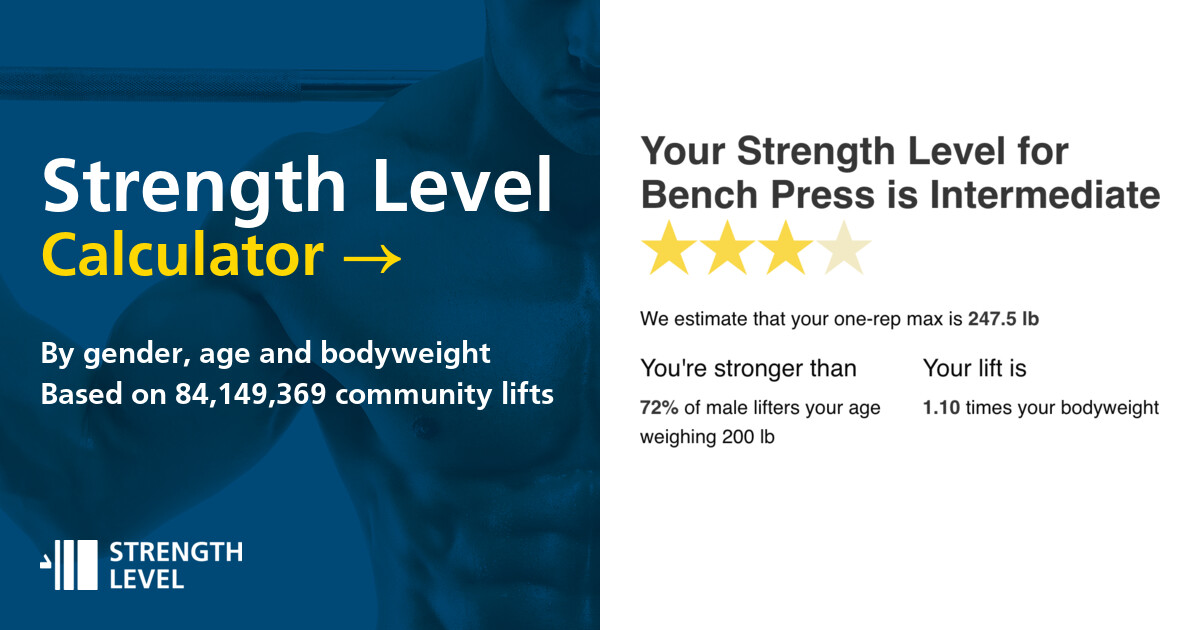
Tracking your powerlifting progress has never been simpler or more insightful, thanks to modern powerlifting calculators designed to analyze and optimize your strength training. Whether you’re aiming to up your max lifts or fine-tune your workout routine, these tools offer a comprehensive look at your squat, bench press, and deadlift numbers. In a sport where every kilogram counts, having detailed feedback on your lifting stats and performance can transform your training trajectory.
Powerlifting Calculator
Powerlifting isn’t just about hoisting heavy weights; it’s about strategic progress monitoring and smart workout analysis to ensure consistent strength gains. With the right powerlifting calculator, you can easily input your max lifts or even weights with reps to get personalized insights, calculate your total, and even assess your Wilks score. By tracking these critical metrics in a training log, you create a clear roadmap to your fitness goals that adapts as your strength evolves.
By 2025, powerlifting enthusiasts increasingly rely on digital tools to stay on top of their game. Using calculators based on up-to-date formulas, you can now evaluate your training level whether you’re a beginner just starting out or an elite lifter prepping for competition. This guide will walk you through how to get the most from these calculators and use them to make data-driven adjustments to your programming, boosting both performance and confidence.
Key Takeaways:
- Use powerlifting calculators to convert your 1RM or reps into actionable training data.
- Track your strength progress with tools that analyze squat, bench, and deadlift stats.
- Performance tracking helps identify strengths and areas needing improvement.
- A well-maintained training log enhances workout analysis and strength gains.
- Wilks scoring offers an essential benchmark for comparing performance across weight classes.
How to Use a Powerlifting Calculator for Accurate Strength Tracking
Getting started with a powerlifting calculator is straightforward and incredibly useful, especially for those focused on maximizing their gains efficiently. First, select your gender and input your body weight—these metrics are vital for accurate performance comparisons and Wilks score computations. Then, enter your best lifts, which can be either your one-rep max (1RM) or a known weight coupled with the number of repetitions completed.
The calculator then processes this data to provide an in-depth workout analysis, showing individual lift levels, total combined lifts, and the Wilks score—a normalized measure to compare strength across different body weights. This functionality makes it easier to pinpoint your current standing within powerlifting standards, whether you’re a novice with less than six months of training or an advanced lifter approaching competitive benchmarks.

Understanding Strength Levels and Progress Monitoring
Monitoring strength gains involves more than just noting how much weight you can lift. Powerlifting calculators break down your progress by categorizing your abilities into clearly defined standards: beginner, novice, intermediate, advanced, and elite. These distinctions help personalize your training focus.
For example, an intermediate lifter usually possesses over two years of dedicated training. Using a powerlifting calculator, they can track incremental improvements and adjust training loads accordingly with percentage-based programming, which is crucial for avoiding plateaus and overtraining. Beginner lifters, on the other hand, can benefit by focusing on mastering technique before increasing weight—something the calculator supports by letting you input multiple reps to see progress without maximal lifts.
Leveraging Workout Analysis to Optimize Training Routines
Workout analysis is a game-changer when it comes to continuous strength improvements. With detailed lifting stats at your fingertips, you can evaluate how each session impacts your overall progress. Calculators allow you to track individual lifts separately, so you know which areas—squat, bench press, or deadlift—need more attention.
By reviewing your training log regularly, you can make informed decisions: increase your squat volume one week, focus on bench technique the next, or program a deload when signs of fatigue appear. This iterative process is backed by data, providing motivation and clear direction for your training cycles.
Using Wilks Scores for Competitive Powerlifting Insight
The Wilks score remains a gold standard in powerlifting circles for comparing lifters across different weight classes. It translates your total lift into a single number that reflects relative strength, factoring in body weight. This is invaluable for competitors as they prepare to step onto the platform or measure their progress against peers.
Interested in going deeper? The Wilks calculator guide offers a detailed explanation and tool access to help you harness this scoring system effectively in your training planning. Understanding your Wilks score can also reveal hidden potential and help delineate more realistic goals tailored to your physique.
Best Practices for Using Powerlifting Calculators to Maximize Strength Gains
Optimizing your powerlifting regimen with a calculator involves combining reliable data with disciplined training habits. Start by consistently logging your max lifts and workout performances. This ensures the tracking reflects real progress and accounts for day-to-day variability.
Prioritize quality over quantity—use the calculator to set percentage-based training targets that emphasize proper form and recovery. Avoid the temptation to jump weights prematurely; rather, aim for gradual strength improvements that the calculator’s feedback highlights. Adequate rest between sessions is essential, as it prevents injuries and facilitates consistent gains.
For those looking to refine their nutritional and recovery strategies alongside training, pairing this approach with resources like the sleep calculator guide can yield even better results. Sleep quality massively impacts recovery and strength development, making it a critical component of overall performance tracking.
Integrating Powerlifting Calculators with Broader Fitness Tools
Today’s lifting athletes take advantage of multiple calculators to optimize every dimension of their fitness, from BMI to strength standards. Familiarize yourself with complementary tools such as the BMI calculator guide and the RM calculator guide—both provide essential context for framing your powerlifting progress within your overall health and fitness profile.