Daily Caloric Needs Calculator
Figuring out your daily caloric needs isn’t just about counting numbers; it’s about unlocking how your body uses energy every single day. Whether you’re aiming to lose weight, maintain your current physique, or bulk up, understanding your personal energy requirements is the key to making those goals a reality. It all starts with knowing your basal metabolic rate (BMR)—the calories your body burns just to keep you alive—and then factoring in how active you are to get your total daily energy expenditure (TDEE). Together, these numbers lay the groundwork for crafting a feeding strategy that suits your lifestyle and ambitions, ensuring you’re fueling your body just right without guesswork or frustration.
Here’s the deal: your caloric intake hinges on a bunch of variables like age, sex, weight, height, and of course, how much you move throughout the day. A desk-bound lifestyle demands fewer calories than a day packed with workouts and activity. Plus, the journey doesn’t stop at placeholders—your unique metabolism, muscle mass, and even genetics play a vital role in shaping your energy demands. With the right calculations, you can dodge common pitfalls like plateaus or overeating and sync your diet to your body’s actual needs for a smoother, smarter health journey.
Unlocking Your Basal Metabolic Rate to Understand Energy Requirements
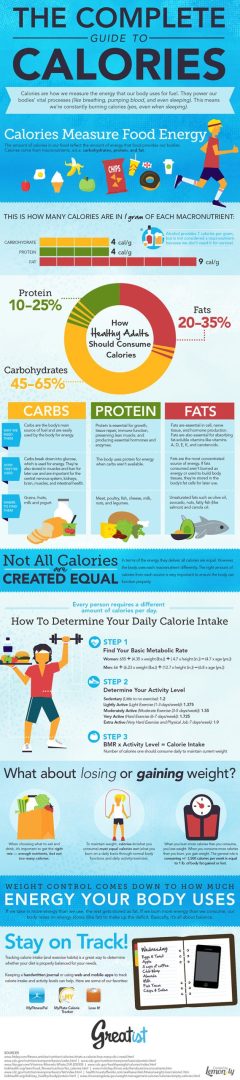
Your basal metabolic rate (BMR) is essentially your body’s idle energy burn—the calories it uses to keep your heart pumping, lungs breathing, and all those tiny cells working. Getting a solid estimate is the first step to smart diet planning. One of the most trusted formulas in 2025 for nailing this calculation is the Mifflin-St Jeor equation, which tailors your BMR based on personal measurements like weight, height, and age.
For example, a 30-year-old man weighing 70 kg and measuring 175 cm tall clocks in around 1,649 calories just to keep his essentials running. Knowing this baseline lets you avoid under or overestimating the energy your body truly needs, so your diet won’t just be calorie counting—it’ll be precise energy management grounded in science.
From BMR to Total Daily Energy Expenditure (TDEE) Calculation
Your next move is to figure in how active you are—because that changes everything. Total Daily Energy Expenditure (TDEE) takes your BMR and boosts it by an activity factor that reflects your daily movement, whether you’re mostly sitting, lightly exercising, or training hard every day.
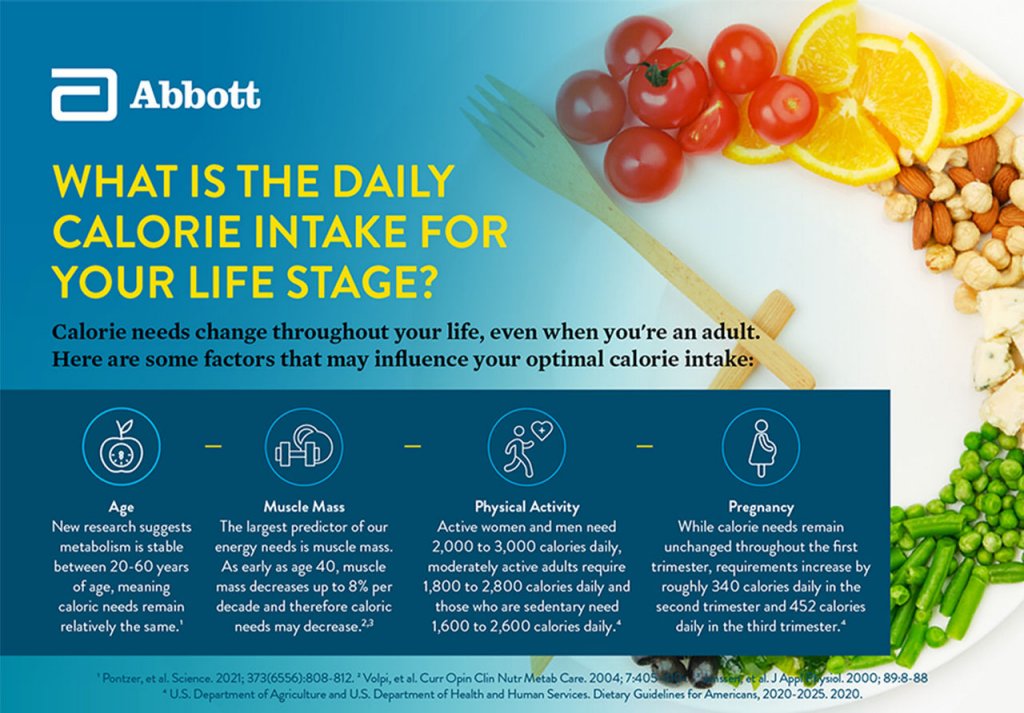
Here’s how it breaks down: if you’re sedentary (think lots of sitting), multiply your BMR by 1.2. If you’re more of a casual mover doing light exercise 1-3 days weekly, that multiplier bumps up to 1.375. Stepping up to moderate activity means a factor of 1.55, with very active folks multiplying by 1.725, and if you go full beast mode with super hard workouts or physical jobs, it’s 1.9. So, our example guy with a BMR of 1,649 and a moderately active lifestyle gets a TDEE around 2,556 calories. This personalized number helps you tailor your caloric intake to keep energy expenditure in balance with your goals.
Adjusting Your Caloric Intake for Weight Goals
Your daily calorie needs aren’t set in stone—they’re a starting line from which you draw depending on what you want your body to do. Want to shed some pounds? Aim for a caloric deficit, typically cutting around 500 calories daily to lose roughly 1 pound per week. Maintaining your weight means eating in line with your TDEE, keeping everything steady. Need to build muscle or gain weight? That calls for a caloric surplus, making sure those extra calories support muscle growth and overall strength.
Each approach requires more than just counting calories; it demands an understanding of nutritional guidelines and macro-balancing to fuel your body efficiently without compromising health. This smart calorie adjustment keeps your diet on track, avoiding common stalls and frustrations.
Why Knowing Your Daily Caloric Needs Matters in Diet Planning
Grasping your daily caloric needs is a game changer. It means no more blindly guessing at how much to eat or wasting effort on workouts that don’t match your energy budget. When you understand energy expenditure and caloric intake on a personal level, your diet planning becomes a tool for empowerment instead of a source of confusion.
Tracking your calorie consumption in sync with your energy requirements helps:
- Prevent overeating and undereating, both of which can derail your health and fitness gains.
- Optimize workout efficiency by fueling your training and recovery properly.
- Break through plateaus by tweaking intake based on real metabolic feedback.
- Align nutrition with lifestyle for balanced and sustainable results over time.
With advances in digital nutrition tools, following your energy needs and diet planning has never been easier in 2025. These resources provide accurate tracking and personalized advice so you stay on top of your health game.