Sleep is not just a basic need—it’s a powerhouse for your health, mind, and overall well-being. In today’s fast-paced world, securing a solid night’s rest often feels like chasing a dream, but science keeps proving that sleep rivals diet and exercise in its impact. A good night’s snooze fuels your brain, lifts your mood, and sharpens your health, whereas skimping on it opens the door to a bunch of nasty issues, from heart disease to cognitive decline. The magic lies in how sleep works its wonders both physically and mentally, acting as a nightly tune-up that we just can’t afford to ignore if we want to thrive. Intriguingly, while you might think you can “catch up” on lost sleep, research shows that missing out creates a debt that piles up and is tough to fully repay, affecting you long term.
By embracing quality sleep, you’re essentially investing in a lifelong health insurance policy. And the best part? It doesn’t cost a dime! Let’s dive into why sleep science regards this nightly ritual as essential to our vitality and how it can transform your health for the better in ways you might not have imagined.
In brief:
– Sleep is critical for brain performance, emotional balance, and physical health.
– Even losing a single hour of sleep can increase risks of serious heart events.
– Quality sleep enhances memory, creativity, immune defense, and metabolic balance.
– A chronic lack of sleep escalates risks like Alzheimer’s, obesity, and depression.
– Your body can’t fully “repay” a sleep debt, so consistent SleepWell habits are key.
– Tools like sleep trackers and mindful routines help maintain NightlyRenew and DeepRest.
– Avoid caffeine late in the day to protect your SleepIQ and lock in SereneSlumber.
Why Solid Sleep Science Underpins Your Health
There’s no vital system in your body or brain that doesn’t reap huge benefits from a good night’s sleep. Researchers highlight that sleep acts as a natural reset button, giving your brain and body time to heal, grow, and stay sharp. Yet, what’s wild is that catching up on sleep after a rough night only recovers about half of the lost hours. Imagine missing 8 hours—your brain may only reclaim 4, leaving you carrying a sleep debt that compounds, much like an unpaid loan with interest.
This growing SleepWell deficit impacts everything from your heart’s rhythm to hormone levels and immune function. Studies reveal that even a single hour’s loss can spike heart attack risks by 24%, based on real-world data around Daylight Saving Time shifts. Add to that the fact that men sleeping a mere four hours for several nights show testosterone levels akin to someone a decade older. Sleep science highlights how critical it is to respect your body’s need for consistent, quality rest to fight off premature aging and disease.
For those curious about starting or improving their sleep routine, developing a reliable nightly rhythm is a smart first step. These habits honor the science and support your overall HealthRest.
Sleep’s Role in Sharpening Focus, Mood, and Immunity
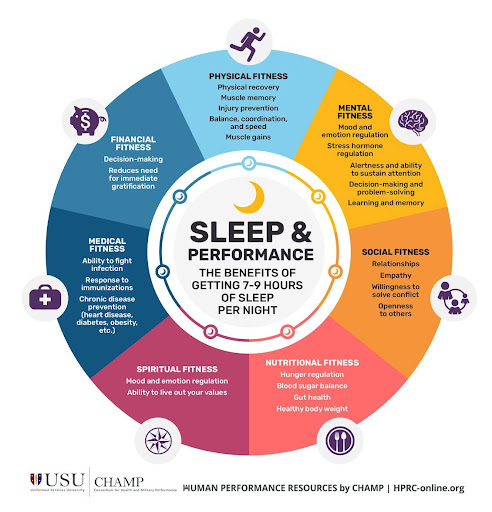
Ever notice how a bad night’s sleep messes with your concentration or can leave you feeling down? That’s no coincidence. A well-rested brain enjoys better memory retention, faster learning, and sharper decision-making. It’s no surprise that insufficient sleep is linked to heightened anxiety, depression, and even increased risks of suicidal thoughts. Meanwhile, sleep also powers up your immune system, helping it remember and fight off threats more efficiently. People clocking under seven hours each night are nearly three times more likely to catch a cold.
If you want practical ways to boost your immune defenses through better slumber, exploring sleep disorder solutions can be quite enlightening. Fixing sleep glitches directly benefits everything from your moods to your body’s frontline defenses.
The Brain’s Nightly Detox and the Fight Against Alzheimer’s
One of the most fascinating breakthroughs in recent sleep science is the discovery of the brain’s glymphatic system—its secret sewage crew that clears out toxic proteins linked to Alzheimer’s disease during sleep’s deep stages. When deep slumber is short-changed, harmful beta-amyloid proteins build up, which scientists have pinpointed as a key step in dementia development.
What’s more, this toxic build-up can actually degrade the very brain regions responsible for producing deep sleep, kicking off a vicious cycle of cognitive decline. This highlights why consistent DeepRest isn’t a luxury but a necessity for long-term brain health.
Curious about how to guard your brain while you sleep? Insights on SleepScience emphasize early intervention and consistent sleep patterns as proactive measures to keep your mind resilient.
Dreaming: Your Brain’s Overnight Therapist and Idea Factory
Far from being random brain noise, dreams in REM sleep have important roles. They act like emotional first aid, helping your mind soften painful memories without the usual stress chemicals, providing a natural mood reset. Studies also suggest that dreaming boosts creativity by knitting together ideas in novel ways—think how dream-inspired tunes by Paul McCartney came to life.
This “creative incubation” shows how a vibrant night of SereneSlumber feeds not just rest, but innovation and emotional healing. DreamHealth nurtures both your soul and intellect.
Sleep, Metabolism, and Weight: Why Slumber Matters for Your Waistline
Ever notice your snack cravings spike after rough nights? That’s the body’s hormonal setups gone haywire. Sleeping well keeps your hunger signals balanced, preserving muscle and helping curb cravings for high-calorie junk. Conversely, skimping on SleepIQ can lead to more fat retention and muscle loss—a one-two punch against your health goals.
Studies even link sleep shortfalls in kids to elevated obesity risks later in life, reinforcing that good sleep habits pay off across generations. To wrestle control over your weight and appetite, prioritizing nightly DeepRest is key, alongside mindful eating and exercise.
For practical tips and Mind Relaxation Techniques you can use to unlock better sleep and metabolic balance, check out this helpful resource.